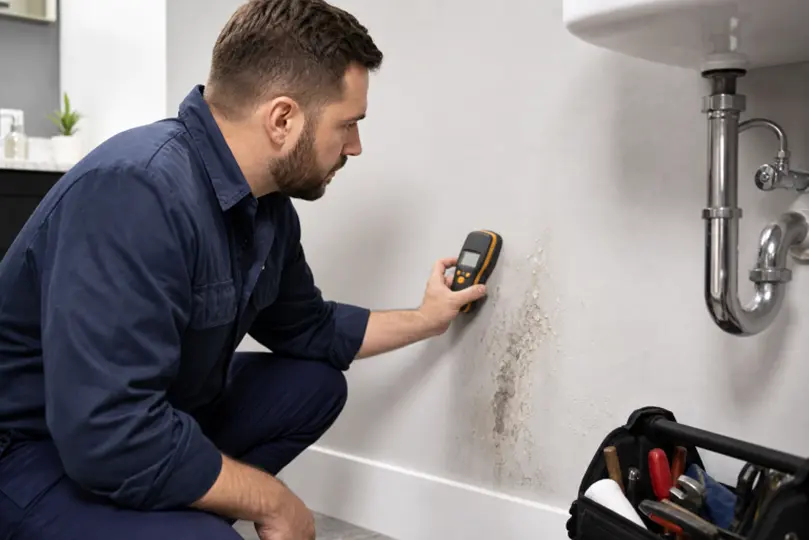
A hidden plumbing leak can start with a higher water bill, a faint sound of running water, damp flooring, or a stain that seems to grow overnight. When something does not add up, Dean’s Plumbing can help Beavercreek-area homeowners investigate the problem through professional water leak detection and practical repair planning.
A water leak detection request is not limited to obvious pipe failures. It can involve unexplained water use, low pressure, moisture behind a wall, a suspected slab leak, or a wet patch in the yard. Finding the likely source early can help reduce water waste and prevent a minor plumbing issue from becoming a broader property repair project.
Why Should Homeowners Act Quickly on a Suspected Leak?
Even a quiet leak can waste a surprising amount of water. The U.S. Environmental Protection Agency reports that average household leaks can waste more than 9,300 gallons annually, and nine percent of homes have leaks that waste at least 50 gallons per day. Review the agency’s EPA leak detection statistics for additional guidance on checking common household leak sources.
Prompt action can help reduce water waste, protect finishes and belongings, and provide a clearer path to repair. A professional inspection is especially valuable when the leak is concealed, recurring, or connected to a pipe that cannot be safely accessed without first identifying the likely location.
What Are the Common Signs of a Hidden Water Leak?
Not every leak creates an immediate puddle. Contact Dean’s Plumbing when one or more of these warning signs appear:
- An unexpected increase in water use or a water bill that is higher than normal.
- A water meter that continues to move when faucets, appliances, and irrigation are off.
- Wet spots, discoloration, peeling paint, or soft surfaces on ceilings, walls, cabinets, or floors.
- Musty odors, visible mold growth, or persistent indoor humidity near plumbing lines.
- A sudden or gradual drop in water pressure.
- The sound of running water when no fixture is in use.
- Unusually green grass, soft soil, or wet areas near an underground water line.
- Warm, damp, or discolored flooring may point to a hot-water or slab-related leak.
When Is a Same-Day Call Important?
Call promptly if water is spreading quickly, pooling near electrical equipment, entering a basement or crawl space, or causing a growing stain on the ceiling. A burst pipe, major pressure loss throughout the house, or water near outlets should be treated as an urgent plumbing concern. If it is safe to do so, turn off the nearest fixture valve or the main water supply before help arrives.
Where Do Hidden Leaks Usually Begin?
Leaks can develop at many points in a plumbing system. A toilet flapper or fill valve may allow water to run intermittently. Faucets, shower valves, and supply lines can leak behind fixtures or inside cabinets. Dishwasher, refrigerator, washing machine, and water heater connections can also release water slowly before the problem becomes obvious.
Other leaks occur in concealed piping, underground service lines, or pipes below a concrete slab. Each situation calls for a different approach. Dean’s Plumbing can first inspect accessible fixtures and connections, then evaluate whether additional diagnostic work is appropriate given the symptoms and location.
How Does Dean’s Plumbing Investigate a Water Leak Detection Request?
A thorough process starts with the details homeowners have already noticed. The plumber can ask when the issue began, whether the water bill changed, where moisture appears, and whether pressure has dropped. From there, the evaluation may include:
- Checking toilets, faucets, shutoff valves, exposed pipes, appliances, and visible supply connections.
- Reviewing water meter activity and signs of continuous water movement.
- Inspecting areas affected by staining, dampness, odors, or changes in flooring.
- Tracing suspected concealed plumbing with diagnostic methods suited to the property and symptoms.
- Explaining the likely source and recommended next steps before repair work begins.
Which Leak Detection Methods May Be Used?
Depending on access and the suspected pipe location, leak detection may involve acoustic testing to listen for pressurized water escaping, thermal imaging to identify temperature differences associated with moisture or hot-water lines, camera inspection of accessible piping, moisture assessment, and water meter review. The goal is to gather useful evidence without unnecessarily opening walls, floors, or ceilings.
Home monitoring devices can provide useful alerts, but they do not always pinpoint the exact location of the repair. The EPA explains that flow-monitoring and moisture-detection devices can alert homeowners to irregular water use or unexpected dampness. Its guidance on leak detection devices can help homeowners understand how these systems work. A plumbing inspection can determine what is actually leaking and what repair is needed.
What Should You Do Before the Plumber Arrives?
- Turn off the local fixture valve if it is accessible and safe to use.
- Shut off the home’s main water supply if water is actively spreading or a pipe has failed.
- Move electronics, furniture, documents, and valuables away from the affected area.
- Do not enter standing water near electrical outlets, appliances, or equipment.
- Take photos of visible damage for household records and possible insurance discussions.
- Note unusual sounds, changes in the water meter, pressure loss, odors, and the locations of damp areas.
- Avoid cutting into finished walls, floors, or ceilings until the source has been evaluated.
How Can Dean’s Plumbing Repair a Located Leak?
Once the leak source is identified, the repair may be as straightforward as replacing a worn toilet component, such as a seal, valve, fitting, or supply line. Other situations may require repairing or replacing a damaged section of pipe. For underground or slab-related concerns, the appropriate solution depends on the pipe condition, location, access, and extent of the damage.
Dean’s Plumbing can explain whether a temporary measure is appropriate, what a permanent repair involves, and whether additional drying or restoration steps should be considered after water has affected surrounding materials.
How Can Homeowners Help Prevent Future Leaks?
- Check toilets, faucets, visible supply lines, and appliance hoses regularly.
- Compare water bills with the same period in the prior year.
- Review the water meter during a period when no water is being used.
- Insulate vulnerable pipes before freezing weather arrives.
- Inspect irrigation lines, outdoor spigots, and hose connections before seasonal use.
- Schedule professional service when a leak keeps returning or cannot be located.
Why Choose Dean’s Plumbing for Leak Detection in Beavercreek?
Dean’s Plumbing provides homeowners with a practical next step when they suspect visible or hidden plumbing leaks. Rather than stopping at the initial concern, the service process can progress from inspection and diagnosis to a repair recommendation tailored to the property’s needs. For help with unexplained water use, damp materials, pressure changes, or suspected concealed leaks, call Dean’s Plumbing at (937) 372-0821.
Frequently Asked Questions
Can a high water bill mean there is a hidden leak?
Yes. A sudden increase in household water use without a clear change in use can indicate a leak in a toilet, fixture, appliance connection, irrigation line, or concealed pipe.
Can Dean’s Plumbing investigate a leak that is not visible?
Yes. The inspection can begin with water usage, accessible plumbing, and visible evidence, then use suitable diagnostic methods when the source is concealed.
What is the difference between leak detection and leak repair?
Leak detection identifies where water is likely escaping. Leak repair corrects the failed fixture, fitting, connection, or pipe.
Also Read
- Easy Window Treatment Ideas for a Stylish Home
- House vs Home: The Subtle Word Difference Every Seller Should Know