As the population ages, financial products tailored for retirees have become increasingly relevant. Among these options, the reverse mortgage stands out as a potential solution for older homeowners seeking additional income. This article provides a professional overview of reverse mortgages, explaining their benefits, drawbacks, and vital considerations to help retirees make informed decisions.
What is a Reverse Mortgage?
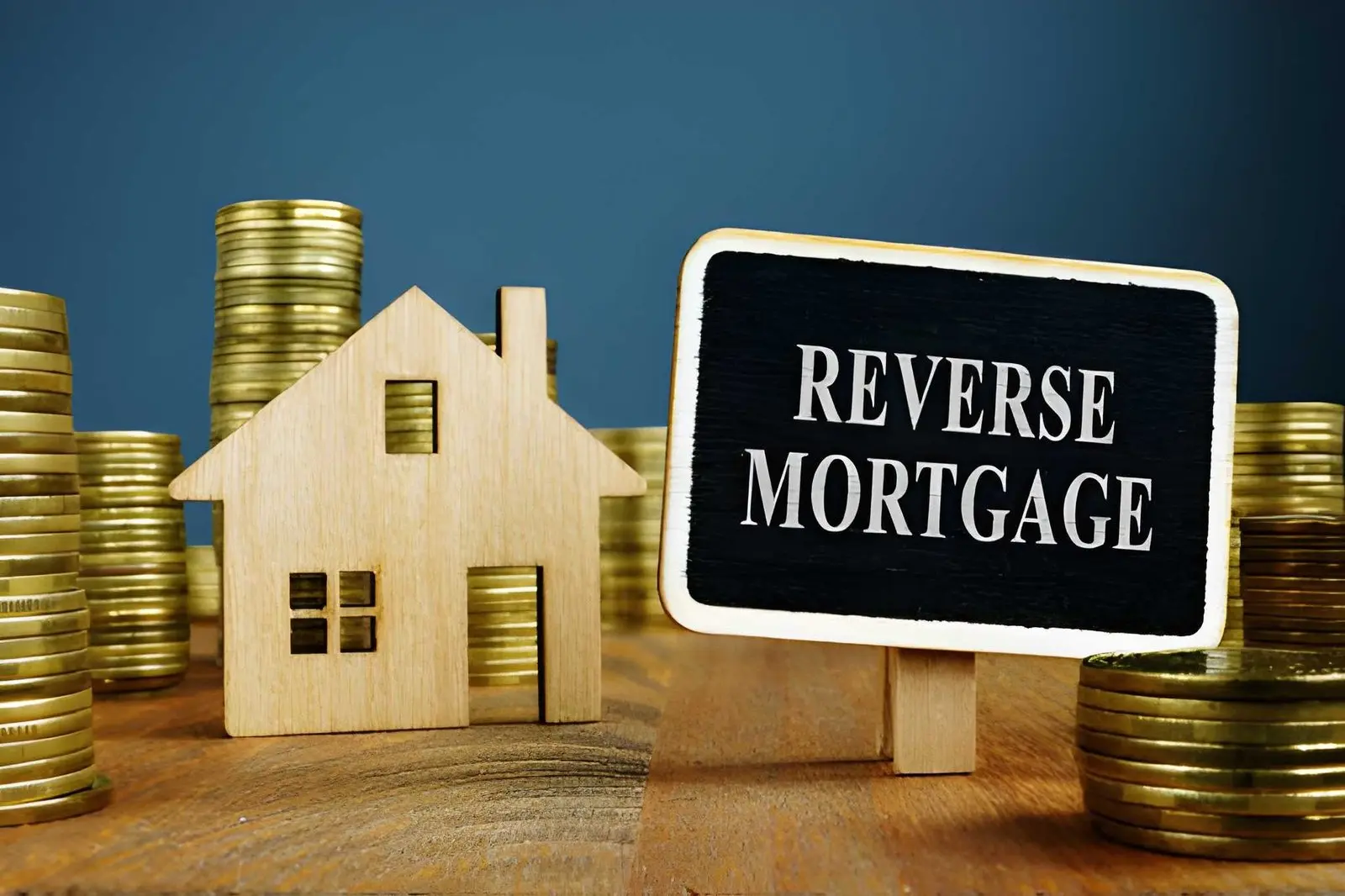
A reverse mortgage is a financial product that allows homeowners aged 60 or over to convert part of the equity in their home into cash without having to sell the property or make monthly repayments. Unlike traditional mortgages, where the borrower makes regular payments to the lender, a reverse mortgage allows the lender to pay the borrower. The loan is typically repaid when the homeowner sells the house, moves out permanently, or passes away.
Eligibility Criteria
Generally, reverse mortgages are available to homeowners aged 60 years or above. The property should be the primary residence, and there are usually restrictions on the type and condition of the home. Lenders assess the value of the property, the borrower’s age, and other factors to determine the amount that can be borrowed. These criteria ensure that the loan amount is appropriate relative to the property’s value and the borrower’s circumstances.
How a Reverse Mortgage Works
When a reverse mortgage is taken out, the homeowner receives a lump sum, regular payments, or a line of credit. The amount available depends on several factors, including the borrower’s age, the home’s value, and current interest rates. The loan amount grows over time as interest accumulates, but no monthly repayments are necessary while the borrower continues living in the home. Repayment is usually required upon the sale of the home or the borrower’s relocation or passing.
Benefits of a Reverse Mortgage
One primary benefit is providing retirees with additional income to supplement their pension or savings. This can enhance financial security and quality of life, allowing for expenses such as healthcare, home improvements, or daily living costs. Additionally, a reverse mortgage does not require monthly repayments, easing cash flow concerns for retirees living on fixed incomes.
Another advantage is that borrowers retain ownership of their home and can continue living there. The loan is secured against the property, but the borrower or their estate is not liable to repay more than the home’s value at the time the loan is repaid, even if the loan balance exceeds this amount. This protection is often referred to as a non-recourse feature, limiting financial risk to the home’s market value.
Costs and Fees to Consider
While reverse mortgages offer flexibility, they come with associated costs. These may include establishment fees, ongoing management fees, valuing the property, and interest charges that accumulate over time. It’s crucial to understand how these costs impact the overall loan balance and the eventual amount left to heirs or for estate purposes.
Impact on Inheritance
Since a reverse mortgage reduces the equity in the home, it directly affects the inheritance left to beneficiaries. As the loan balance grows, the net value remaining in the property diminishes. Prospective borrowers should consider how this product fits into their estate planning and discuss options with family members or legal advisors to ensure clear understanding of potential impacts.
Potential Risks
One risk is that the property market fluctuates, which may affect the loan-to-value ratio and the amount that can be borrowed initially. Additionally, if the borrower moves out permanently or passes away, the loan becomes due, and heirs may need to settle the outstanding amount within a defined period. Failure to meet these conditions could result in forced sale of the property.
Another consideration is ongoing compliance with loan terms. Borrowers are typically required to maintain the home in good condition, pay property taxes, and keep insurance current. Non-compliance could lead to the loan becoming due prematurely or other penalties.
Who Should Consider a Reverse Mortgage?
Reverse mortgages may be appropriate for retirees who have significant equity in their homes and limited cash flow, and who wish to enhance their financial flexibility without moving. Those with no pressing plans to sell or relocate and who understand the obligations and implications of this product are potential candidates.
Conversely, individuals aiming to preserve their home’s equity for inheritance, or those who may require substantial care costs outside the home, should proceed cautiously and seek independent financial advice.
Comparing Reverse Mortgages and Other Equity Release Options
It is essential to compare reverse mortgages with alternative equity release products, such as traditional home equity loans or downsizing the home. Each option has different implications for repayment, costs, ownership, and impact on inheritance. A thorough evaluation helps ensure that retirees choose the solution that aligns best with their financial goals and lifestyle.
Regulation and Consumer Protection
In Australia, reverse mortgages are regulated to protect consumers. Providers must follow strict disclosure requirements, ensuring potential borrowers are fully informed of their rights and obligations. Additionally, many providers mandate or strongly recommend independent financial counselling before entering into a reverse mortgage agreement. This safeguards against unsuitable borrowing and helps clients understand complex terms and conditions.
Steps to Take Before Applying
Retirees considering a reverse mortgage should first gather detailed information about their financial situation, including property value, income needs, and long-term plans. Consulting with financial advisors, legal professionals, or government-backed counselling services is advisable. Borrowers should also carefully review all documentation, including fees, loan terms, and repayment conditions.
The Application Process
Once a decision is made, the application process typically involves property appraisal, verification of eligibility, and assessment of the borrower’s financial situation. Lenders provide details on the amount available and loan conditions. Borrowers are encouraged to ask questions and clarify any uncertainties before signing agreements.
Current Market Trends and Outlook
The reverse mortgage market has grown steadily as the ageing population seeks solutions for retirement funding. Innovations in product design and regulation continue to improve accessibility and transparency. It remains essential for prospective borrowers to stay informed about market developments and interest rates, which affect loan conditions and costs.
Conclusion
Reverse mortgages offer a viable means for older Australians to access their home equity, providing financial support while retaining homeownership. However, they carry costs, risks, and implications for inheritance that require careful consideration. Seeking independent advice and understanding the comprehensive details of the product is crucial before proceeding.
For those interested in exploring this option further, additional information about reverse mortgage products can be found through specialised providers and official channels, ensuring balanced and accurate guidance to make informed financial decisions.
Also Read
- Unlocking Youthful Skin: The Wonders of Microneedling Pen Technology
- Integrating Smart Financial Choices with Physical Wellness for a Balanced Life
- Business fuel cards for better spending control