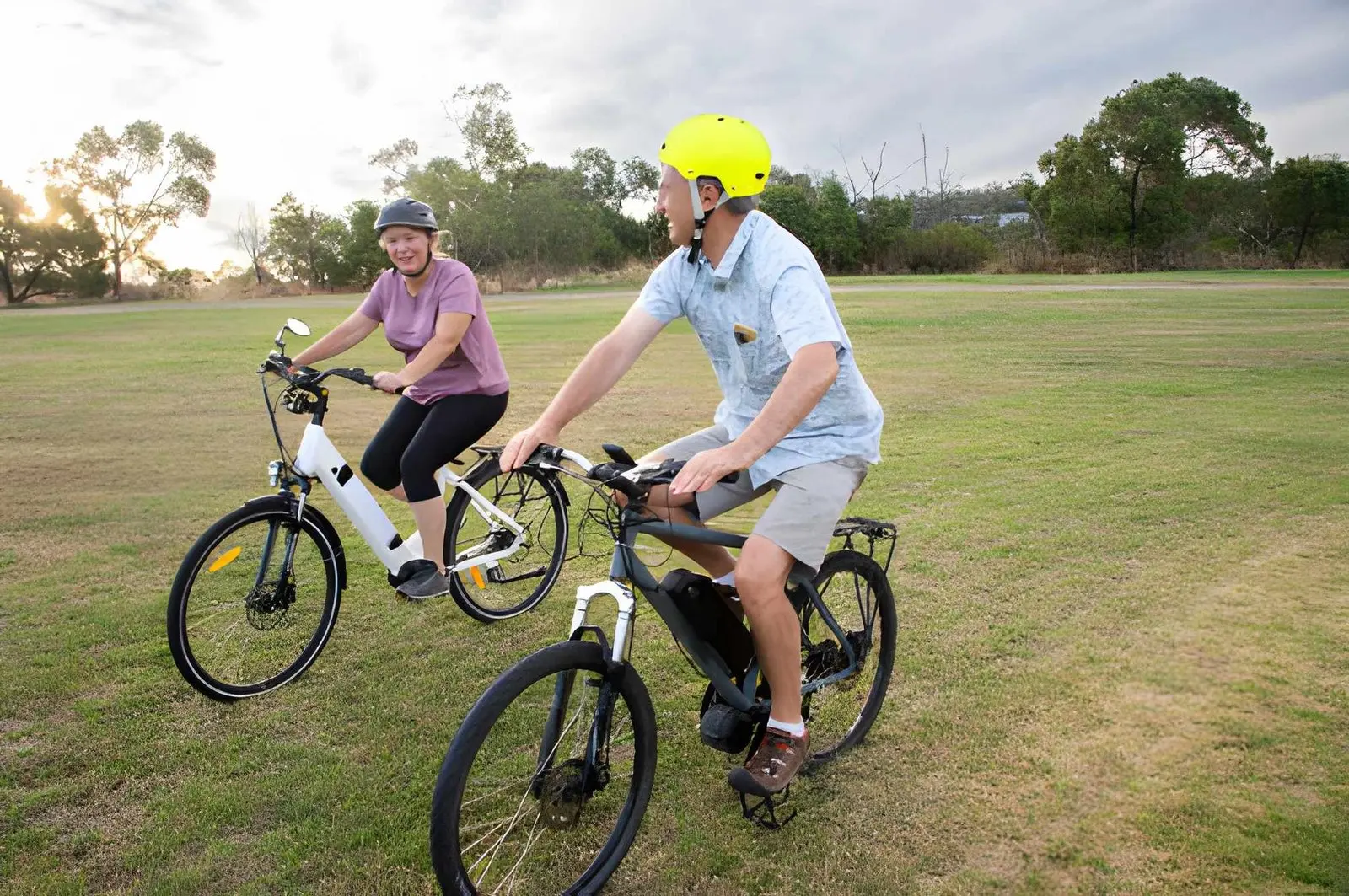
The increasing popularity of electric bikes in Australia reflects a broader global trend toward sustainable and efficient transportation. As urban areas become increasingly congested and environmental concerns grow, electric bikes offer a practical solution that combines convenience, environmental responsibility, and affordability. This article explores the factors contributing to the rise of electric bikes in Australia, their benefits, and what the future holds for this rapidly expanding mode of transport.
What Are Electric Bikes?
Electric bikes, commonly known as e-bikes, are bicycles equipped with an electric motor that assists with pedalling. This motor can vary in power and usually functions to reduce the physical effort required by the rider, making cycling accessible to a broader range of people. They are powered by rechargeable batteries, which can vary in capacity and influence the range and speed the bike can achieve.
Factors Driving the Growth of Electric Bikes Australia-Wide
Several key factors have contributed to the surge in demand for electric bikes across Australia. These include urbanisation, environmental awareness, health consciousness, and advancements in e-bike technology. Australian cities like Sydney, Melbourne, and Brisbane are also investing more in cycling infrastructure, making e-biking a more attractive and viable option.
Urban Congestion and Alternative Transportation
Australia’s major cities continue to face increasing traffic congestion, which impacts daily commutes and overall urban mobility. Electric bikes provide an efficient alternative to cars, offering the ability to bypass traffic jams, reduce travel time, and alleviate parking difficulties. The ability to cover longer distances without excessive effort addresses the needs of commuters who would otherwise rely on public transport or private vehicles.
Environmental Benefits of Electric Bikes
The growing emphasis on reducing carbon emissions and environmental impact has made electric bikes an appealing option. They produce zero emissions during operation and use significantly less energy compared to motor vehicles. This aligns with Australia’s commitments to sustainability and encourages individuals to adopt greener modes of transportation on a personal level.
Health and Fitness Advantages
While electric bikes provide motor assistance, they still require pedalling which contributes to physical activity. Many users report increased exercise because e-bikes make cycling over longer distances, hills, or challenging terrain more manageable. This factor appeals to a wide demographic, including older adults and those with physical limitations who want to maintain an active lifestyle.
Improvements in Battery and Motor Technology
Technological advancements have played a crucial role in the rising popularity of e-bikes in Australia. Modern batteries offer longer range and shorter charging times, while motors have become lighter and more efficient. These improvements enhance the overall riding experience, making electric bikes more reliable and user-friendly.
Popular Uses of Electric Bikes in Australia
Electric bikes serve multiple purposes in Australia, from commuting and recreational riding to delivery services and tourism. Their versatility contributes significantly to their appeal and growing use.
Commuting and Daily Travel
Many Australians use electric bikes as a practical commuting tool. E-bikes enable riders to cover distances that might be impractical on standard bicycles, reducing reliance on cars or public transport. This also contributes to lessening the environmental impact of their daily travel.
Recreation and Health
Recreational cycling on electric bikes has become popular among families and individuals who enjoy exploring natural landscapes or urban environments without excessive physical strain. This use promotes outdoor activity and well-being for people of different fitness levels.
Commercial and Delivery Use
Electric bikes are also increasingly used for commercial purposes, particularly in courier and delivery services. The ability to navigate congested urban areas efficiently and avoid fuel costs makes them an economical choice for businesses.
Government Policies and Incentives Supporting Electric Bike Uptake
Federal and state governments in Australia have introduced various initiatives to encourage the adoption of electric bikes. These include subsidies, grants, and infrastructure development aimed at supporting sustainable transport solutions. Such policies are expected to continue evolving in response to environmental targets and urban mobility challenges.
The Role of Australian Retailers in Promoting Electric Bikes
Retailers specialising in electric bikes Australia-wide play a significant role in educating potential buyers, providing product options, and offering after-sales service. Reliable retailers help guide consumers in choosing the right e-bike suitable for their individual needs, which is critical to fostering confidence and wider adoption.
One prominent retailer offering a comprehensive range of e-bikes is electric bikes australia. This outlet combines quality products with expert advice to meet the growing demand of customers seeking efficient and sustainable transportation options.
Challenges Facing the Electric Bike Market in Australia
Despite the benefits, the electric bike market in Australia faces challenges that could affect its growth trajectory. These include regulatory hurdles, initial costs, safety concerns, and infrastructure limitations in some regions.
Regulatory and Safety Considerations
Australia’s e-bike standards and regulations vary between states, creating some confusion among consumers and manufacturers. Clearer national guidelines would help streamline adoption and ensure safety standards are consistently met. Additionally, rider education on safe riding practices is essential to reduce accidents.
Cost and Accessibility
The upfront cost of purchasing an electric bike can be a barrier for some consumers, despite savings in fuel and maintenance over time. Expanding affordable e-bike models and offering government incentives could improve accessibility for a wider population.
Infrastructure Development
While many cities are improving cycling infrastructure, gaps remain, particularly in suburban and rural areas. Enhancing bike lanes, secure parking, and charging facilities will be critical to supporting the ongoing growth of electric bike use.
The Future Outlook for Electric Bikes in Australia
The future of electric bikes in Australia appears strong, driven by technological innovation, government support, and consumer interest in sustainable transportation. Continued improvements in battery technology, affordability, and infrastructure will contribute to their further integration into daily life.
As urban centres strive to reduce carbon emissions and traffic congestion, electric bikes will become an increasingly viable and popular transport option. Support from policymakers, retailers, and community initiatives will be essential in realising the potential of this clean and efficient mode of travel.
Conclusion
The rise of electric bikes in Australia is influenced by a combination of environmental, societal, and technological factors. Their ability to provide a sustainable, cost-effective, and health-promoting alternative to traditional transportation fuels their growing prominence. With ongoing advancements and supportive measures, electric bikes are set to become a cornerstone of Australia’s transportation landscape, benefiting urban mobility and contributing to a greener future.
Also Read
- Business fuel cards for better spending control
- Integrating Smart Financial Choices with Physical Wellness for a Balanced Life
- Business fuel cards for better spending control