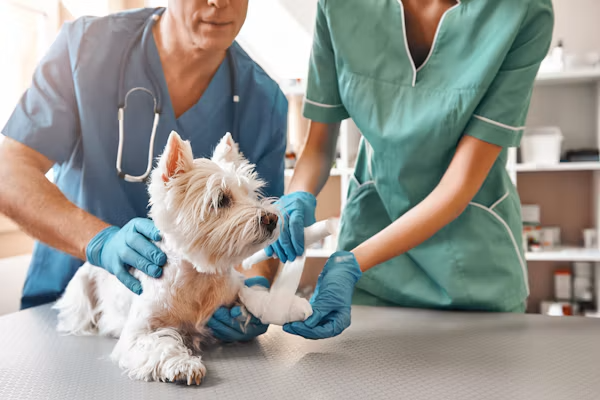
You bring your pet in for vomiting, a dental procedure, a limp, or a yearly exam at a vet clinic in Burlington, and the team recommends blood work. If you are already worried about your pet and watching costs at the same time, that suggestion can feel like one more thing piled onto a hard day. You are not overreacting. A lot of people hear “lab tests” and wonder if they are truly needed or if the problem should be obvious without them.
The short answer is simple. Blood work helps an animal hospital see what your pet’s body is doing on the inside, often before symptoms tell the full story. It can catch infection, anemia, dehydration, organ stress, blood sugar problems, clotting issues, and signs that anesthesia or medication may carry added risk. That is why pet blood testing in animal hospitals is routine. It is not busywork. It is one of the clearest ways to make safer decisions.
Blood work gives veterinarians facts that an exam alone cannot show
A physical exam matters, but it has limits. A pet can look tired, stop eating, drink more water, lose weight, or act “off” for many different reasons. Two dogs with the same symptoms can have completely different problems. One may have a stomach bug. The other may have kidney disease, diabetes, or internal bleeding. Blood work helps sort that out fast.
Basic testing often includes a complete blood count and a chemistry panel. A complete blood count looks at red blood cells, white blood cells, and platelets. Cornell’s overview of hematology testing in animals explains how these values help detect anemia, inflammation, infection, and clotting concerns. A chemistry panel looks at organ function and body chemistry, including liver values, kidney values, proteins, electrolytes, and glucose. Cornell also outlines how clinical chemistry testing helps assess disease and monitor treatment.
That matters because pets hide illness well. By the time you notice clear signs, the problem may already be advanced. Blood work often catches changes earlier, when treatment can be safer, simpler, and less expensive.
Preanesthetic blood work reduces avoidable risk
One of the most common times an animal hospital recommends blood work is before surgery or dental care. This is where many people hesitate, especially if their pet seems healthy. The problem is that outwardly healthy does not always mean medically ready for anesthesia.
A pet may have mild kidney disease, liver stress, low red blood cells, or an electrolyte imbalance without obvious symptoms at home. If those issues are found before anesthesia, the care team can change the drug plan, give IV fluids, delay the procedure, or do more testing first. That lowers risk in a practical way. It is not about perfection. It is about avoiding surprises when your pet is under sedation and cannot compensate well.
Washington State University’s guide to understanding your pet’s lab tests breaks down how these results help veterinarians connect symptoms to what is happening inside the body. That is the real value. Numbers are not ordered for their own sake. They guide decisions.
Routine blood testing in pets helps track change over time
Blood work is not only for emergencies. It is also a baseline. When your pet is healthy, normal lab values become a point of comparison for later. That can make a huge difference as pets age or start long term medication.
Say your cat needs treatment for hyperthyroidism or your dog starts an anti inflammatory drug for arthritis. Future blood tests can show whether the treatment is helping and whether the liver, kidneys, or other systems are tolerating it well. In older pets, trends matter as much as one single result. A value that is still “normal” but steadily rising may be the first clue that something is changing.
This is one reason veterinary blood work is standard in general practice, urgent care, and specialty settings. It supports diagnosis, treatment, and monitoring all at once.
Common reasons an animal hospital recommends blood work
| Situation | What blood work may reveal | Why it matters |
|---|---|---|
| Vomiting or diarrhea | Dehydration, infection, pancreatitis clues, electrolyte imbalance | Helps decide if your pet needs fluids, medication, imaging, or hospitalization |
| Pre-surgical screening | Anemia, kidney or liver stress, blood sugar changes | Improves anesthesia planning and safety |
| Senior wellness visit | Early kidney disease, diabetes, thyroid changes, chronic inflammation | Can catch illness before symptoms become severe |
| Medication monitoring | Organ effects, protein changes, blood cell changes | Shows whether treatment is safe to continue or needs adjustment |
| Lethargy or appetite loss | Infection, anemia, metabolic disease, organ dysfunction | Narrows down many possible causes quickly |
Delaying lab work can make a simple problem harder to treat
It is easy to think, “If my pet gets worse, then I’ll do the tests.” Sometimes that works out. Sometimes it does not. Waiting can mean a pet who could have been treated with outpatient care now needs emergency care, imaging, hospitalization, or a longer recovery.
There is also the issue of false reassurance. A pet can still be eating a little, walking around, and wagging their tail while serious changes are happening internally. That mismatch is common in veterinary medicine. Blood work closes that gap between what you can see and what your veterinarian needs to know.
Three practical steps to take before agreeing to blood work
Ask what decision the test will help make. A good question is, “What are you looking for, and how will the results change the plan?” That gives you a direct reason for the test and helps you understand its value in your pet’s case.
Request the most useful option for your pet’s symptoms. Not every pet needs every test. A focused panel may be enough in one case, while a broader screen makes sense in another. If cost is a concern, say so early. Veterinary teams hear that every day and can often prioritize.
Keep copies of results and compare them over time. Lab work becomes more useful when trends are visible. Save reports from wellness visits, illness visits, and medication checks. If you see a different veterinarian later, that history can speed up diagnosis.
Standard blood work in an animal hospital supports safer, smarter care
When a veterinarian recommends blood work, the goal is usually straightforward. They want a clearer picture before they make a decision that affects your pet’s health. That can mean diagnosing illness sooner, reducing anesthesia risk, checking how a treatment is working, or spotting trouble before it becomes obvious at home.
If your pet’s care plan includes blood testing, ask for the reason in plain language and what the team expects to learn. Clear answers help you make the next step with more confidence and less guesswork.
Read more: https://grammarheist.com/why-cost-basis-records-matter-when-preparing-investment-tax-returns/
https://grammarheist.com/how-technology-improves-everyday-veterinary-services/