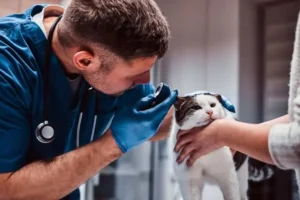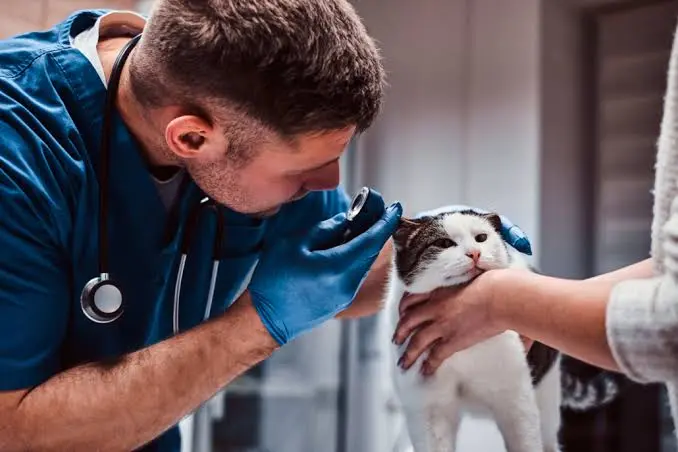
You know the feeling. Your pet seems off, maybe not eating, maybe coughing, maybe just not acting like themselves, and you are left trying to decide whether it is urgent, whether it can wait, and how much the visit might cost. By the time you get to the clinic, you want answers, not more uncertainty. That is where technology has changed the day to day experience of seeing a general veterinarian in San Jose CA. It does not replace the human judgment you trust. It helps your veterinary team work faster, spot patterns sooner, and explain what they are seeing with more clarity.
How technology improves everyday veterinary services comes down to a few practical gains. Records are easier to track, imaging is faster to review, lab results move more quickly, and newer tools can support earlier detection of problems that might have been missed until they became harder and more expensive to treat. For pet owners, that often means fewer delays, more informed decisions, and a better sense of what is happening with the animal you love.
Technology in veterinary care reduces delay and confusion
A routine vet visit can become stressful fast when symptoms are vague. A dog limps only after exercise. A cat hides more but still eats. A senior pet has subtle changes that are easy to dismiss until they add up. In those moments, the hardest part is not always the treatment itself. It is the gray area before a diagnosis, when you are watching, waiting, and worrying.
Digital medical records have made a quiet but meaningful difference here. When your pet’s history is organized and searchable, a clinic can compare weight trends, medication changes, prior bloodwork, and past symptoms without flipping through paper charts or relying on memory. That matters when a small shift over six months tells a larger story. It also helps when you visit an emergency clinic or specialist and records need to be shared quickly.
Diagnostic imaging has also become more efficient. Digital X rays can be reviewed almost immediately, enlarged for detail, and shared for a second opinion when needed. Ultrasound and dental imaging have improved the ability to catch issues that once required more guesswork. If your pet has swallowed something, has a hidden fracture, or shows signs of dental pain, speed matters. Faster images often lead to faster decisions.
Lab technology has the same effect. In house analyzers can run bloodwork, urine testing, and other common diagnostics during the appointment or soon after. Instead of waiting days to learn whether a pet has an infection, organ stress, or blood sugar problems, you may get answers while you are still in the building. That shortens the window where symptoms can worsen and gives you a clearer path forward.
Smarter veterinary tools support earlier detection and better monitoring
The biggest gains often show up before a crisis. Earlier detection changes everything. A condition found sooner is usually easier to manage, less painful for your pet, and less draining on your budget. That is one reason clinics are watching the growth of artificial intelligence and pattern recognition tools so closely.
Researchers are already showing how these tools may support everyday care. LSU Vet Med describes how AI is being used in veterinary medicine to assist with image review, workflow support, and better use of clinical data. Texas A&M has also reported on an AI tool that may help veterinarians track heart disease more precisely. For pet owners, that kind of progress is not abstract. Heart disease, cancer, arthritis, kidney disease, and dental problems often start with small changes. Tools that help a veterinarian notice those changes sooner can lead to earlier treatment and closer monitoring.
This does not mean a computer is taking over your pet’s care. It means your veterinarian has stronger support when reviewing scans, comparing data points, and tracking trends over time. That support can be especially helpful in busy clinics where subtle findings might otherwise take longer to surface. Veterinary technology benefits are often most obvious in these quiet moments, when a pattern is caught before it becomes an emergency.
Modern veterinary services improve daily care choices
Technology also helps with the less dramatic parts of care, which is where most pet owners actually live. Appointment reminders reduce missed vaccines and follow ups. Online portals make it easier to review discharge instructions or request refills. Teletriage tools can help you decide whether a symptom needs same day attention or simple home monitoring until morning. Wearable devices and home monitoring apps can track activity, scratching, sleep, heart rate, or glucose trends for pets with chronic conditions.
If you have ever tried to explain an occasional limp or a brief coughing spell that never happens in the exam room, you already know the value of data. A video clip from your phone, combined with a timeline in the medical record, can help the clinic assess what is happening with much less guesswork. Everyday care becomes more precise when your observations and the clinic’s tools work together.
Common veterinary service improvements at a glance
| Area of Care | Older Approach | Technology Supported Approach | What It Means for You |
|---|---|---|---|
| Medical records | Paper files or fragmented history | Digital records with trend tracking | Faster review of past issues, fewer missed details |
| Imaging | Longer processing and limited sharing | Digital X rays and faster image review | Quicker answers and easier second opinions |
| Lab testing | Results delayed by outside processing | In house analyzers for common tests | Same day treatment decisions in many cases |
| Chronic disease monitoring | Relies mainly on symptoms noticed at home | Wearables, apps, and repeat data comparison | Better tracking of changes between visits |
| Complex condition review | Manual pattern spotting only | AI assisted analysis and trend support | Earlier detection may become more likely |
Simple steps help you get more from a general veterinarian
1. Track changes before the appointment. Write down when symptoms started, how often they happen, and what seems to trigger them. Take photos or video if the problem comes and goes. This gives your veterinary team better raw information, and modern systems can pair that with exam findings and test results more effectively.
2. Ask what technology the clinic uses for routine care. You do not need a high tech sales pitch. Ask practical questions. Can they run bloodwork in house. Do they offer digital imaging. Can they share visit summaries electronically. Do they use monitoring tools for chronic disease. These details shape speed, follow up, and clarity.
3. Use follow up tools instead of waiting for things to get worse. If your pet has ongoing issues, ask about portals, refill requests, remote check ins, or home monitoring options. Pet care technology works best when it supports continuity, not just emergencies. A recheck scheduled on time is often far easier than a crisis visit weeks later.
Your pet still needs the same thing they always needed, a careful exam, good judgment, and a veterinarian who listens. Technology simply strengthens those basics. It helps turn uncertainty into information and information into a plan you can actually follow. If your pet has symptoms you cannot ignore, schedule a visit with a general veterinarian and ask how modern tools can support their care.
Also Read
- https://grammarheist.com/other-ways-to-say-nice-to-e-meet-you/
https://grammarheist.com/what-evidence-helps-support-a-restraining-order-request/
https://grammarheist.com/surfing-maldives-the-ultimate-oceanic-adventure/