You already have enough to keep track of. School forms, work deadlines, sports schedules, medication refills, aging parents, and the quiet mental list that never seems to end. Dental care often gets pushed into that same crowded space, especially when every person in the house has different needs, different fears, and different appointment schedules. That is where a family dentist in Littleton, CO can make life feel less scattered.
When one dental office treats children, teens, adults, and older adults, care becomes simpler to manage and easier to stick with. You spend less time repeating health histories, less time juggling providers, and less energy trying to remember who is due for what. Family dental care is not only about convenience. It also helps build trust over time, catches changes earlier, and supports better habits from childhood through later life.
A family dentist creates continuity that busy households need
Dental care gets harder when it feels disconnected. One office for a child, another for a parent, and a different specialist for a grandparent can turn routine checkups into a logistics problem. If one person is nervous about treatment or another has a medical condition that affects oral health, the stress grows fast.
A family dentist sees the bigger picture. They get to know your household’s history, patterns, and concerns. If your child has crowded teeth, your teen grinds at night, and you are dealing with gum sensitivity, those details stay in one place. That continuity matters because dental issues often build slowly. A provider who sees you year after year can spot small changes before they become painful or expensive.
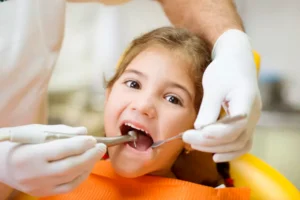
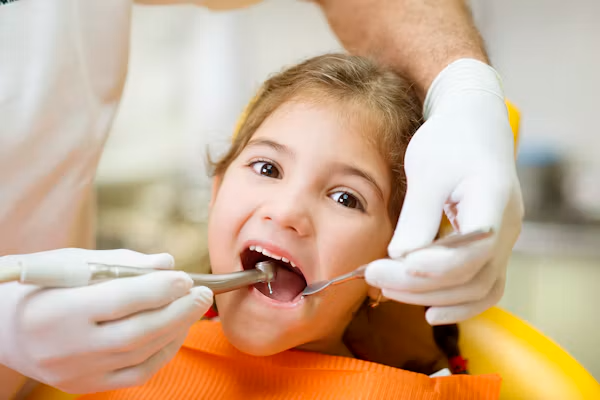
This is especially useful for children. Many kids do better when care feels familiar. The same waiting room, the same staff, and the same calm routine can lower anxiety. Parents can also reinforce good habits at home with reliable guidance from one source. The CDC offers practical oral health tips for children that support what a family dental office often teaches during visits.
Dental needs change with age, but one provider can still guide the process
A toddler may need help learning to brush. A teenager may need sealants, cavity prevention, or advice about wisdom teeth. Adults often deal with stress clenching, gum disease, fillings that wear out, or skipped cleanings after years of being too busy. Older adults may face dry mouth, exposed roots, tooth loss, or oral health concerns linked to chronic illness and medication use.
Those needs are different, but they are connected. A dentist for all ages understands how oral health changes across the lifespan and can tailor care without forcing you to start over every few years. That can make a real difference if someone in your family has a strong gag reflex, dental fear, sensory challenges, or trouble sitting through long appointments. Familiar care often leads to more consistent care.
Adults also benefit from having one trusted office. It is easy to ignore your own symptoms when you are focused on everyone else. A little bleeding when you floss, tooth sensitivity when you drink coffee, or jaw soreness in the morning can seem minor until it is not. The CDC shares helpful oral health tips for adults that line up with what a good dentist looks for during preventive visits.
Prevention is easier when your dentist knows your family history and habits
Prevention works best when it is personal. A family dentist can notice patterns that may not stand out in a one time visit. Maybe cavities run in your family. Maybe several people breathe through their mouths at night. Maybe sugary sports drinks are a daily habit, or medications are causing dry mouth. Those details shape risk, and they shape the advice that actually helps.
That kind of relationship can also save money. Preventive care is usually far less expensive than treatment after pain starts. A small cavity is easier to fix than a cracked tooth that needs a crown. Gum irritation is easier to manage than advanced periodontal disease. If you have ever had a dental issue turn into an urgent visit at the worst possible time, you know how quickly delay gets expensive.
For a broad overview of common conditions, treatments, and daily care, MedlinePlus offers reliable information on dental health. It is a useful reminder that oral health is not separate from the rest of your health. Problems in your mouth can affect eating, sleep, speech, confidence, and overall comfort.
Family dental care often reduces stress, missed visits, and surprise problems
| Approach | Common Experience | Likely Result |
|---|---|---|
| Different dentist for each age group | Multiple offices, repeated paperwork, scattered records | More scheduling friction and a higher chance of missed checkups |
| One family dentist | Shared records, familiar staff, easier back to back appointments | Better follow through and earlier detection of problems |
| Reactive care only | Visits happen after pain, swelling, or a broken tooth | Higher treatment costs and more disruption to daily life |
| Preventive routine with a trusted dentist | Regular exams, cleanings, and age specific guidance | Fewer emergencies and steadier long term oral health |
The value here is practical. You are not reinventing the wheel every time someone needs care. You are building a routine that fits real life, and that makes it easier to keep going even during busy seasons.
Simple steps can make choosing the right dentist much easier
Look for true age range support. Some offices say they welcome families, but the experience may still feel geared toward only one group. Ask whether they regularly treat young children, teens, adults, and older adults. A good general dentist should be able to explain how care shifts by age without making it sound complicated.
Ask about scheduling and preventive planning. Convenience matters because convenience affects follow through. Find out whether the office offers grouped appointments for family members, reminder systems, and clear recall schedules. If getting everyone in the chair feels easier, it usually happens more consistently.
Pay attention to how the office communicates. You want a team that explains things clearly, listens without brushing off concerns, and gives realistic options. That matters if your child is anxious, your parent has memory issues, or you have been putting off treatment because cost or fear got in the way. Respectful communication often tells you as much as the treatment menu does.
Steady dental care supports every stage of family life
You do not need a perfect routine. You need one that is doable and steady. Having one dentist for your household can remove a lot of friction from an area of care that often gets delayed until something hurts. It can make checkups feel normal for kids, make treatment planning clearer for adults, and make ongoing support easier for older family members.
If dental care has felt harder to manage than it should, a family focused approach can bring some order back. Reach out to a local dentist and ask how they care for patients at every age. One good relationship can make the whole process feel lighter.
Read more: Why Blood Work Is Standard In Animal Hospitals
https://grammarheist.com/why-cost-basis-records-matter-when-preparing-investment-tax-returns/