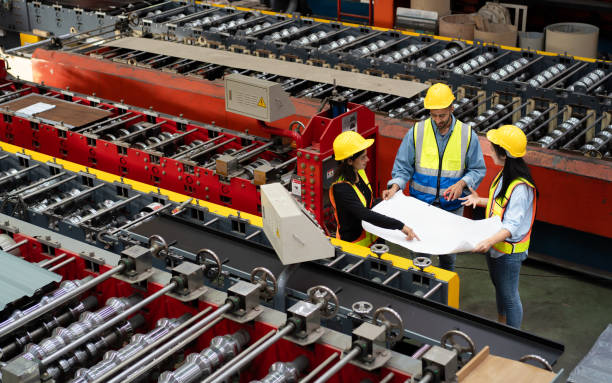
When you examine modern industrial operations, you notice a significant shift in how safety and performance are managed. Technology has fundamentally transformed the way organizations approach risk management, compliance, and operational excellence. Advanced systems now monitor equipment in real time, predict failures before they occur, and ensure that safety protocols are consistently followed across complex operations. The pressure to maintain higher standards has never been greater, as regulatory requirements become more stringent and stakeholder expectations continue to rise. Understanding how technology drives these improvements helps you grasp why industries are investing heavily in digital transformation and automated safety solutions.
Real-Time Monitoring and Predictive Analytics
Real-time monitoring systems have transformed how you can track industrial equipment performance and safety metrics. These systems use sensors, data collection devices, and centralized dashboards to provide continuous visibility into machinery and environmental conditions. Rather than waiting for scheduled inspections or equipment failures, you now have access to live data that reveals potential issues before they become critical problems. Predictive analytics algorithms analyze historical patterns and current readings to forecast maintenance needs, reducing unexpected downtime and preventing accidents that could result from equipment failure. This proactive approach allows you to address safety concerns promptly, ensuring that your operations meet the most current safety standards. The ability to identify trends across multiple facilities simultaneously substantially lowers operational risk while supporting consistent compliance.
Automated Compliance and Documentation Systems
You benefit significantly from automated compliance systems that track regulatory requirements across multiple jurisdictions and industry standards. These platforms maintain comprehensive records of inspections, certifications, audits, and corrective actions in digital formats that are easily retrievable and verifiable. Rather than relying on manual documentation that is prone to human error and difficult to access quickly, you can now generate compliance reports with a few keystrokes. Automated systems alert you when certifications are about to expire, when inspections are due, or when new regulations take effect in your operational areas. The transparency and accuracy of digital compliance records reduce your liability exposure and demonstrate your commitment to safety standards during regulatory reviews. Digital documentation also enables faster response times when incidents occur, as all relevant information is immediately available to safety teams and investigators.
Integration of Safety Technology with Operational Systems
Connecting safety technology directly into your broader operational systems creates a comprehensive approach to managing both productivity and risk. When you link equipment monitoring systems, human resources data, training records, and safety protocols into one interconnected platform, you eliminate information silos that previously hindered rapid response to emerging risks. Workers in the field receive real-time alerts and guidance through mobile devices, ensuring they remain aware of current safety conditions and procedural requirements. Advanced systems can enforce safety protocols by preventing equipment operation when safety conditions are not met or when required training certifications have lapsed.
Aviation ground operations provide a clear example of this principle in practice. Ground crews managing aircraft movement rely on purpose-built equipment to maintain safe and efficient ramp conditions, and professionals overseeing repositioning and towing procedures often evaluate new aircraft tugs to ensure the equipment meets both current safety specifications and the operational demands of modern flight facilities. Equipment used in aircraft ground handling must conform to rigorous safety standards that reflect the critical nature of ramp operations. This level of integration across sectors means that safety becomes an embedded feature of every operation rather than a concern managed separately from day-to-day workflow.
Training and Competency Management Through Digital Platforms
Digital training platforms have transformed how you ensure that your workforce maintains the competency levels required for safe and effective operations. Rather than scheduling occasional sessions, you now have access to on-demand learning modules that workers can complete according to their schedules and individual learning pace. Virtual reality and simulation-based training allows you to place workers in realistic hazardous scenarios without exposing them to actual danger, resulting in better retention and practical skill development. These platforms automatically track competency assessments, certifications, and skill levels for every team member, ensuring that only qualified individuals perform critical tasks. You can quickly identify training gaps across your organization and address them before they contribute to safety incidents or performance failures. The data generated from training platforms also helps you determine which areas of your operation require the most attention and where additional resources should be directed for maximum safety improvement.
Conclusion
Technology continues to reshape how industrial sectors establish and maintain safety and performance standards. The evolution from reactive incident management to proactive risk prevention represents a fundamental change in how you can protect your workforce and assets. By implementing real-time monitoring, automated compliance systems, integrated operational platforms, and advanced training solutions, you position your organization to exceed current safety expectations and prepare for future regulatory demands. These technological advancements are no longer optional competitive advantages but rather industry expectations that define operational credibility. Recognizing the role technology plays in raising standards helps you make informed investment decisions that protect both your people and your operational success.
Read more: Beyond VPNs: Building Secure Cloud Environments for a Modern Remote Workforce
Yaar Win Login Guide to Simple and Safe Access
Jai Club Login Explained with Easy-to-Follow Steps