Every year, people from around the world seek refuge in the United States. If you fear for your safety in your home country, understanding how to qualify for asylum is crucial. This process can be overwhelming, but knowing the steps can help you feel more secure. You’ll need to demonstrate a well-founded fear of persecution due to race, religion, nationality, social group, or political opinion. Gathering evidence, filling out the required forms, and attending interviews are all part of this journey. Legal representation can make a significant difference in your case. Finding immigration help is essential to guide you through the complexities of U.S. asylum law. It’s important to act quickly, as timing plays a crucial role in your application. Remember, you are not alone on this path. You deserve to feel safe and protected. Seeking asylum should not be faced with fear, but with hope and determination.
Understanding Asylum Eligibility
To qualify for asylum in the U.S., you must meet specific criteria. The key requirement is proving a well-founded fear of persecution in your home country. This persecution must stem from your race, religion, nationality, membership in a particular social group, or political opinion. Evidence can include personal testimony, documentation, and witness statements. This is your foundation. A strong case builds from here.
The Asylum Application Process
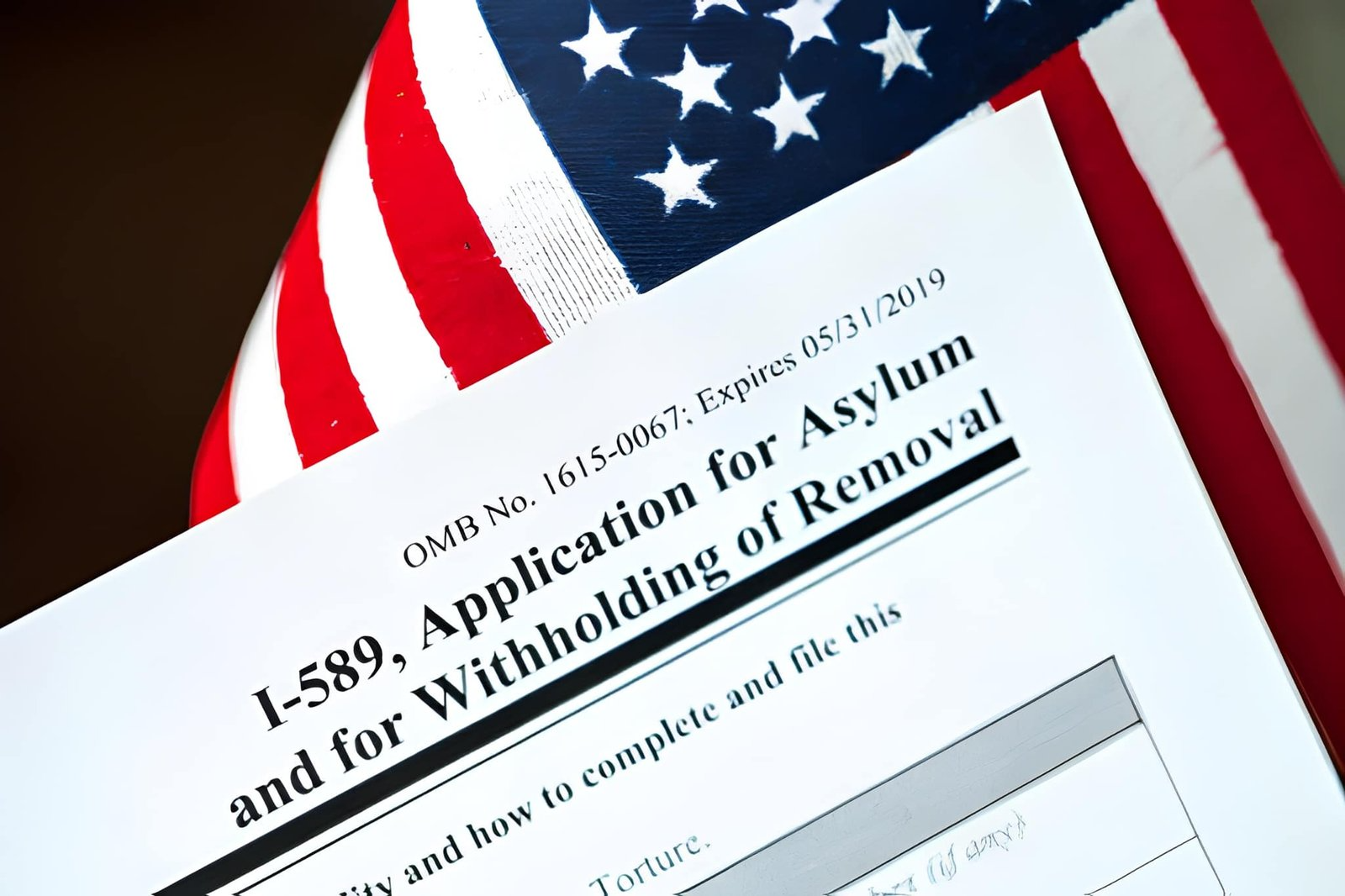
The asylum application process starts with filing Form I-589, Application for Asylum and for Withholding of Removal. This must be submitted within one year of your arrival in the U.S. unless you can prove extraordinary circumstances. After submission, you will have an interview with an asylum officer. This is your opportunity to share your story in detail. An honest and complete account is vital.
Role of Legal Assistance
Legal assistance can significantly impact your asylum application. Lawyers and legal aid organizations can help you understand the process, gather necessary documents, and prepare for interviews. According to the U.S. Department of Justice, those with legal representation are more likely to succeed in their asylum claims. Visit the U.S. Department of Justice website for more information on legal resources.
One-Year Deadline Exception
Missing the one-year deadline can be problematic. However, exceptions exist. Extraordinary circumstances such as severe illness, legal disabilities, or changes in conditions in your home country may allow you to apply late. You must provide evidence of these circumstances to justify the delay.
Comparison of Asylum and Refugee Status
| Aspect | Asylum | Refugee |
|---|---|---|
| Application Location | Within the U.S. or at a port of entry | Outside the U.S. through UNHCR |
| Process Start | File Form I-589 | Referral by UNHCR |
| Interview | With U.S. asylum officer | With USCIS |
After Applying for Asylum
Once you have applied, you may need to wait for a decision. During this time, you cannot work immediately. You can apply for a work permit only if your case is pending for more than 150 days without a decision. Approval means you can eventually apply for a green card.
Facing Challenges and Finding Strength
The asylum process can be daunting and emotionally taxing. Yet, perseverance is key. Staying informed, seeking support, and maintaining hope are essential. Remember, you are pursuing a safer future for yourself and your loved ones. The journey may be long, but the goal is worth it. Always keep your future in view.
Read more: How Tax Accountants Help Prevent Costly IRS Mistakes
Why Consistency In Dental Care Creates Stronger Smiles For Kids And Adults
The Role Of Bone Grafting In Implant Dentistry