You might be staring at before-and-after photos online, wondering why some people glow after a peel while others look red and raw for days. Maybe you have dark spots that never quite fade, fine lines that makeup keeps settling into, or acne scars that bother you every time you catch your reflection. You keep reading about chemical peel strength levels, yet every explanation sounds either too technical or too sales-driven. Visiting an aesthetic clinic Newtown PA can help you get personalized guidance that finally makes everything clear.
If you feel confused about whether you need a light, medium, or deep peel, you are not alone. It is a big decision. The strength you choose can change how your skin looks, how long you need to recover, and how much risk you take on. The short version is this. Light peels refresh and brighten with almost no downtime. Medium peels treat deeper pigment and wrinkles and need a recovery window. Deep peels reshape the skin at a structural level but require real time off and medical oversight.
Because of this range, you might be wondering where you fit and how to avoid a choice you regret. That is exactly what this guide will walk you through in plain language.
What actually changes between light, medium, and deep chemical peels?
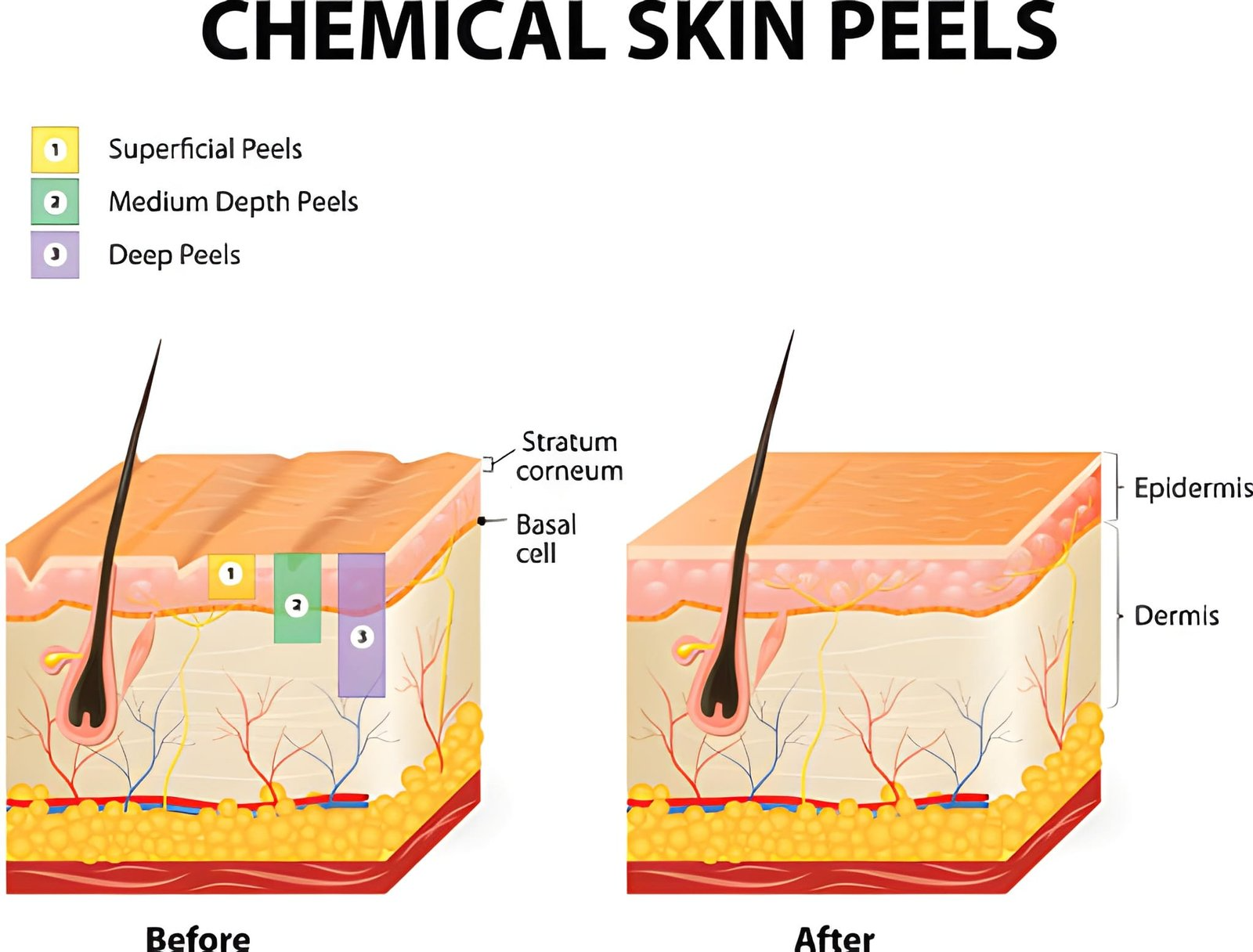
When you hear about light, medium, and deep, you are really talking about how far into the skin the solution goes. Your skin has layers. Light peels stay in the outermost layer. Medium peels reach the upper middle layer. Deep peels go even further, into the lower middle layer where structural change happens.
Here is the tension. The deeper the professional facial peel goes, the bigger the potential results, but the higher the downtime, discomfort, and risk. Light peels can feel almost like a spa treatment. Deep peels are closer to a medical procedure. That is why hospitals and academic centers, such as the Mayo Clinic, treat them as a real medical treatment, not just a beauty add-on.
So, where does that leave you? It helps to picture a few “what if” situations.
- What if your main issue is dullness and clogged pores? A light peel with alpha hydroxy acids like glycolic or lactic can gently remove dead cells, clear pores, and give you a fresh look without changing how you live your week.
- What if you have sun spots, melasma, or acne scars that makeup can no longer hide? A medium peel, often with trichloroacetic acid (TCA), can reach the pigment and damaged collagen below the surface. You get more change, but you also plan for several days of visible peeling and healing.
- What if you have deeper wrinkles around the mouth or long-term sun damage? A deep chemical peel can soften etched lines and tighten the skin. It usually involves stronger solutions like high-strength phenol. This means real downtime, careful aftercare, and medical supervision.
The challenge is that marketing can make every option sound “gentle yet powerful.” You deserve clearer language than that. Light peels refresh. Medium peels correct. Deep peels reconstruct. Each has a place, and not every skin type is safe for every level.
What are the hidden challenges you should think about before choosing a peel?
On the surface, it is easy to focus on the cost and the promise of smoother skin. Underneath, there are emotional and practical layers that matter just as much.
Emotional stress. You may worry about being seen without makeup, about going to work with peeling skin, or about a “what if” scenario where something goes wrong. That worry is valid. Even light peels can cause temporary redness or flaking. Medium and deep peels can leave you swollen and crusted for days. Knowing this ahead of time can actually reduce fear, because you are not surprised by the mirror.
Time and lifestyle. Light peels fit into a lunch break. You might be a little pink, then go back to your day. Medium peels often need about a week of social downtime. Deep peels can require several weeks of healing and strict sun avoidance. If you are a caregiver, a public-facing professional, or an athlete who lives outdoors, this matters as much as the price.
Cost and value. Light peels cost less per session, but you often need a series. Medium peels cost more but can address several concerns at once. Deep peels are usually the most expensive and are often done only once or very rarely. The question is not only “How much does it cost?” but also “What am I truly trying to change, and is this level necessary?”
Skin type and safety. Darker skin tones can absolutely benefit from chemical peels, yet they carry a higher risk of post-inflammatory hyperpigmentation if the peel is too strong or not chosen carefully. This is why trusted centers, such as the specialists at the University of Utah’s cosmetic skincare services, tailor peel depth and type to your skin tone, history, and goals.
So how do you compare these options in a way that feels clear, not overwhelming?
How do light, medium, and deep peels compare in real life?
The table below gives a simple side-by-side view so you can see how each level might fit into your life and your comfort zone.
| Peel Level | Typical Concerns Treated | Depth Of Skin Affected | Downtime | Comfort Level | Who It Often Suits Best |
|---|---|---|---|---|---|
| Light (Superficial) Peel | Dullness, mild acne, rough texture, very fine lines | Outer layer of skin (epidermis) | Redness for hours to 1 day, mild flaking | Mild stinging or tingling, usually well tolerated | First time peel users, busy schedules, maintenance care |
| Medium Peel | Sun spots, some melasma, acne scars, moderate wrinkles | Outer and upper middle skin layers | Peeling and redness for 5 to 10 days on average | Stronger burning or tightness, usually with numbing or cooling | Those ready for visible downtime to get a more noticeable change |
| Deep Peel | Deep wrinkles, severe sun damage, some precancerous lesions | Middle layer of skin (reticular dermis) | Weeks of healing, redness can last months | Most intense. Often requires sedation and medical monitoring | Carefully selected patients who understand the risks and need strong correction |
This comparison is not meant to scare you. It is meant to show that “stronger” is not automatically “better.” A gentle, superficial chemical peel done regularly can sometimes serve you far better than one dramatic treatment that takes you out of your life for weeks.
What are the smartest steps to take before booking a chemical peel?
You do not need to become a skincare expert. You just need a clear plan and the right questions.
1. Get honest about your real goal, not just the symptom
Write down what actually bothers you when you look in the mirror. Is it color, like brown spots or redness? Is it texture, like roughness or scarring? Or is it sagging and deeper folds that a peel might not fully fix? This clarity helps your provider recommend the correct peel depth or suggest another treatment if a peel is not the best match.
2. Ask any Med Spa or clinic about their experience with your skin type
When you consult for a chemical skin treatment, ask specific questions. How many light, medium, and deep peels do you perform each month? What kind of training do you have? How do you adjust for darker skin tones or for rosacea? What is your plan if I get more pigmentation after the peel? A confident, ethical provider will welcome these questions and answer in clear, calm language.
3. Plan your calendar and your aftercare before you say yes
Look at the next four to six weeks of your life. Do you have a wedding, photos, travel, or a big work event? If so, time your peel so that visible peeling and redness are finished before then, especially for medium or deep levels. Ask for written aftercare instructions and read them in advance. You should know about sun protection, moisturizing, what to avoid, and when to call if something feels wrong.
How can you move forward with confidence?
Choosing among light, medium, and deep peels does not need to feel like a gamble. When you understand that each level simply reaches a different depth, with its own balance of results, recovery, and risk, you can match the treatment to your real life and your comfort level.
You deserve to feel informed, not pushed. Take your time, ask questions, and choose a Med Spa or medical team that treats your concerns with the same seriousness you do. With the right match, a chemical peel is not just about smoother skin. It is about feeling more at ease in your own face when you walk out the door.
Read more: How To Qualify For Asylum In The United States
How Tax Accountants Help Prevent Costly IRS Mistakes
Why Consistency In Dental Care Creates Stronger Smiles For Kids And Adults