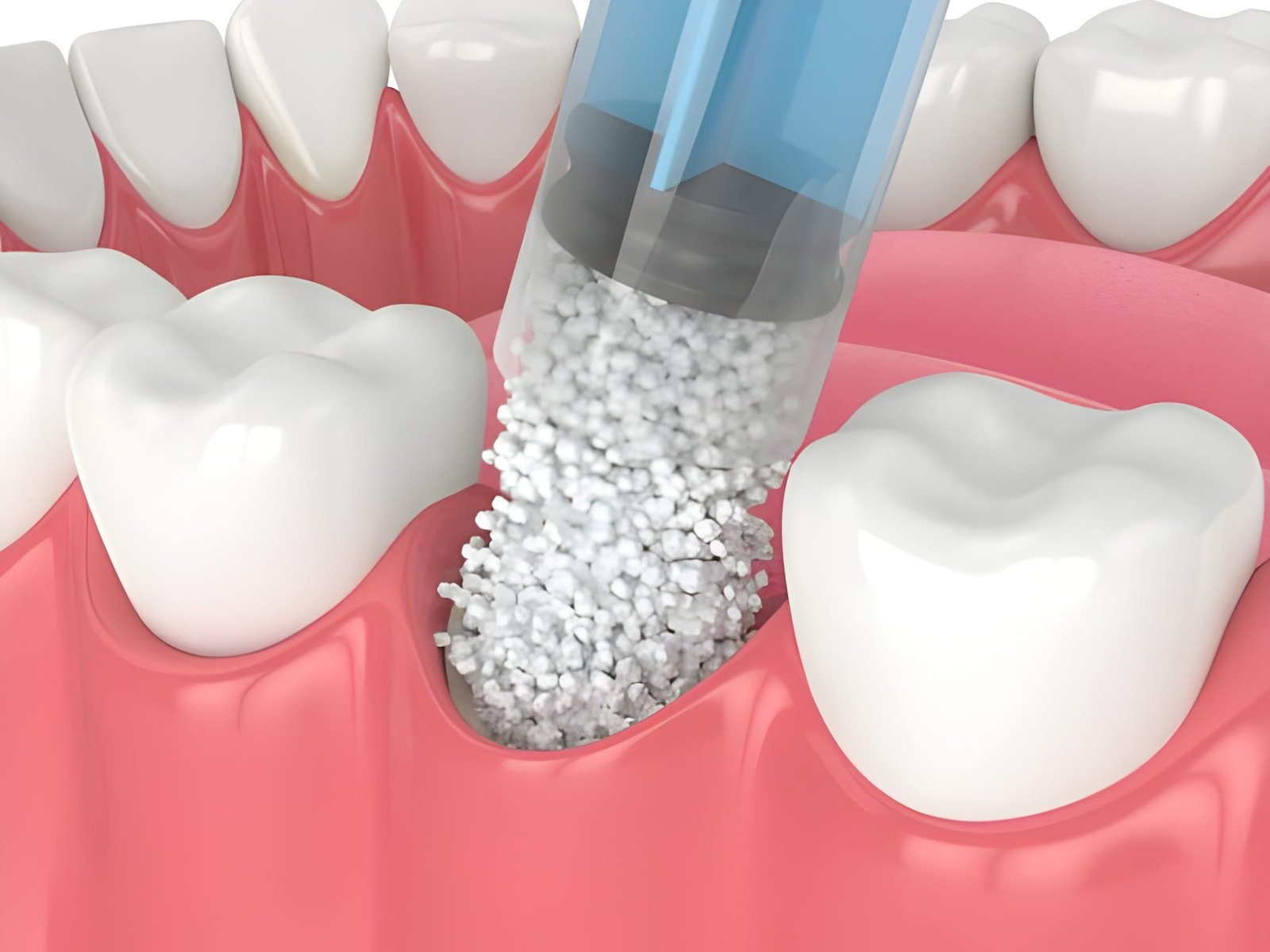
You might be feeling a mix of hope and worry right now. Maybe you finally decided you are ready for dental implants, only to be told by a Westchester periodontist you do not have “enough bone” and may need a bone graft. It can feel like one more hurdle, one more procedure, one more round of questions you did not plan for.end
You are not alone in that. Many people arrive at this point after years of putting off treatment, dealing with loose dentures, or hiding their smile. Hearing that your jawbone has thinned or shrunk can feel personal, almost like your body has let you down. Because of this, you might wonder if implants are still possible for you at all.
The good news is that modern implant dentistry has an answer for this exact problem. Bone grafting is a way to rebuild lost support so your implants have a solid foundation. In simple terms, bone grafting gives your jaw a second chance. You can think of it as preparing the soil before planting a tree, so the roots have something strong to grow into.
Here is the short version. Bone grafting is often what makes dental implants possible when the jaw has lost volume. It can improve stability, comfort, and the long term success of your treatment. It does mean extra time, cost, and healing, but for many people it is the bridge between “I wish I could get implants” and “I finally have my teeth back.”
Why does bone loss happen before dental implants are even discussed?
To understand bone grafting for dental implants, it helps to know why the jawbone changes in the first place. Bone is a living tissue. It responds to pressure and use. When a natural tooth is lost, the bone in that area no longer gets the daily stimulation from chewing. Over time, the body starts to “recycle” that unused bone, and the ridge begins to shrink.
This can happen after a tooth extraction that never got replaced, after years of wearing dentures, or after gum disease slowly damaged the supporting structures. Sometimes it is the result of trauma or infection. None of this is your fault. It is simply how the body adapts.
So where does that leave you when you finally ask about implants? Your periodontist or implant dentist may see, on the exam or scan, that the bone is too thin or too low to safely hold an implant. Placing an implant into weak or insufficient bone is like putting a fence post into soft sand. It might stand for a while, but it is not secure.
What makes bone grafting feel so overwhelming?
Once bone grafting enters the conversation, a few common worries tend to show up.
There is the emotional weight. You might think, “Why is this so complicated for me?” or “I just wanted teeth, not surgery after surgery.” You may also worry about pain, healing time, or how you will function during the process. These are very human concerns.
There is also the financial side. Bone grafting adds to the total cost of implant treatment. It can be hard to know if it is “worth it,” especially if you have been managing with partials or dentures for years. Because of this tension, you might feel tempted to skip the graft and hope for the best.
Then there is the medical uncertainty. You might hear different opinions about whether you need a graft, which type of graft, or whether you can do “immediate” implants. It can be confusing to sort out what is truly necessary from what is optional.
Here is the key idea. Bone grafting is not about making your treatment fancy. It is about making it safe and predictable. A stable jawbone gives your implant something to bond with. Without that, the risk of failure goes up, which can cost you more time, money, and stress later.
Trusted sources like the dental implant overviews from Columbia University and Harvard School of Dental Medicine describe this same principle. Implants need healthy bone to work well. Bone grafting is one of the main tools used when that bone is missing.
How does bone grafting support implant dentistry in real life?
Bone grafting in implant dentistry comes in different forms, but the goal is always similar. Add or rebuild bone so the implant can be placed in the correct position and remain stable.
Here are a few common scenarios.
Imagine someone who lost a front tooth years ago. The bone has caved in slightly, and the gum line looks uneven. A graft can rebuild that area so the implant crown looks natural, not sunken in. This is not just about strength, it is also about appearance and confidence when you smile.
Or picture a long time denture wearer whose lower denture has always felt loose. The ridge is flat and sore. With bone grafting, a periodontist or implant dentist may be able to rebuild enough height and width to place several implants. Those implants can then support a fixed bridge or a more secure denture. Daily life changes. Chewing improves. Speech feels easier. The fear of the denture slipping in public starts to fade.
There are also smaller grafts, such as adding bone at the time of an extraction to preserve the socket. This type of graft can shorten the path to implants later, since it helps the bone keep its shape instead of shrinking right away.
When you hear the phrase bone augmentation for implants, it usually refers to these kinds of procedures. Your periodontist or implant dentist will choose the technique that matches your bone, your health, and your goals.
What are the tradeoffs of bone grafting for implants?
It can help to see the pros and cons side by side. This is not about pushing you in one direction. It is about giving you a clear picture so you can make a calm decision.
| Question | With Bone Grafting | Skipping Bone Grafting |
|---|---|---|
| Can implants be placed at all? | Often makes implants possible when bone is thin or low. | Implants may not be possible, or only shorter, less stable ones. |
| How stable are the implants over time? | Generally higher stability because implants are surrounded by stronger bone. | Higher risk of loosening or failure if bone is inadequate. |
| Treatment time | Longer. Graft may need several months to heal before implant placement. | Shorter at first, but may lead to added time if problems arise later. |
| Upfront cost | Higher, due to extra materials, surgery, and visits. | Lower at the start, though failures can increase long term costs. |
| Comfort and chewing long term | Often better, since implants are supported by healthier bone and tissue. | May remain limited, especially if dentures are still loose or painful. |
| Appearance of gums and smile | Can improve fullness and support around crowns or bridges. | Higher chance of sunken areas or uneven gum lines. |
Seeing it laid out like this, you might notice a pattern. Bone grafting adds time and cost now, but often protects your investment in dental implant treatment later.
What can you do right now to move forward with confidence?
You do not have to solve everything today. A few focused steps can make the path much clearer.
1. Ask for a clear, visual explanation of your bone situation
During your visit with a periodontist and implant dentist, ask to see your X rays or 3D scan on the screen. Ask them to show you where the bone is strong and where it is thin. A visual explanation often removes half the fear, because you can finally see what they are talking about.
Good questions include. “What would happen if we placed an implant without grafting here” and “How does the graft change that picture for me.” You are not being difficult by asking. You are being thorough about your own health.
2. Get a written plan with options and timelines
Ask for a written treatment plan that outlines each phase. For example, extraction and graft, healing period, implant placement, healing, and final teeth. Ask if there is a “best case” and “backup” plan, and what each would look like.
This helps you prepare emotionally and financially. It also makes it easier to compare opinions if you choose to seek a second consultation, which is completely reasonable for something as important as your smile and your ability to chew.
3. Weigh the short term cost against the years you expect to use your implants
It can help to zoom out. If you expect to use your implants daily for ten, fifteen, or twenty years, ask yourself how much it is worth to have them be stable, comfortable, and reliable during that time.
Sometimes, when you spread the cost of grafting over the life of the implants, the decision feels different. You are not just paying for a procedure. You are investing in how you will eat, speak, and smile for a long time.
Finding your footing as you decide about bone grafting
Needing a bone graft does not mean you have failed or waited too long. It simply means your jaw has changed, and your care needs to meet you where you are today. With a skilled periodontist and implant dentist guiding you, implant dentistry with bone support can restore both function and confidence.
You deserve to understand your options, to ask every question you need, and to move at a pace that feels safe. Bone grafting is not the goal by itself. It is one of the tools that can help you get to what you truly want. A stable bite, a confident smile, and the quiet relief of not worrying about your teeth every time you sit down to eat.
House vs Home: The Subtle Word Difference Every Seller Should Know
Integrating Smart Financial Choices with Physical Wellness for a Balanced Life