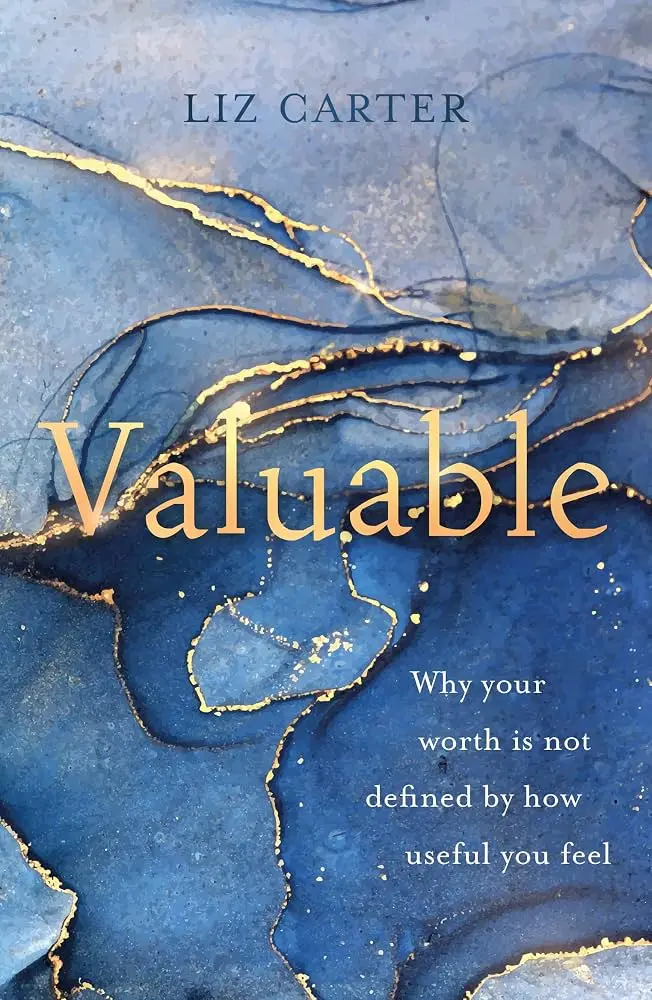
Some of the hardest numbers to ignore are not the ones on official documents. They are the private ones we carry around in our heads. The amount in a checking account. The age on a birthday cake. The likes on a post. The number on a scale. The credit score we peek at and then let shape our mood for the rest of the day. Numbers are useful tools, but they become dangerous when they quietly turn into verdicts.
That shift happens more often than people realize. We start using measurements to organize life, and then, almost without noticing, we start using them to explain who we are. Financial stress can make that even worse. If money has been tight, debt can begin to feel personal, as if a difficult season says something final about your intelligence, discipline, or future. In moments like that, practical support matters, and resources such as Debt Relief in Texas can be part of a plan. But even then, it is worth remembering that a financial problem is a condition to address, not an identity to wear.
The deeper issue is not that numbers exist. It is that numbers are clean, fast, and easy to compare, while real human value is none of those things. Character develops slowly. Wisdom often comes from pain. Compassion rarely shows up on a spreadsheet. The things that make someone trustworthy, loving, funny, brave, or steady in a crisis are not easy to count. That does not make them less real. It makes them more human.
Why Numbers Feel So Personal
Numbers create the illusion of certainty. They seem objective, which makes them feel powerful. If a person earns more, weighs less, saves more, or gets more attention online, it can look like proof of worth. But that logic leaves out context, and context is everything.
A bank balance does not reveal whether someone helped raise siblings, survived a layoff, left an unhealthy relationship, or started over after illness. A follower count does not measure integrity. A birthday does not measure relevance. A credit problem does not measure kindness. Numbers capture a slice of reality, not the whole of it.
This is one reason comparison becomes such a trap. The American Psychological Association describes social comparison as the process of evaluating ourselves in relation to other people, and notes that upward comparison can sometimes produce feelings of inferiority, though in some settings it can also inspire growth. Social comparison theory helps explain why numbers can quickly become emotional shortcuts. We see someone else’s visible metric and assume it tells a complete story.
The Problem With Treating Life Like a Scoreboard
A scoreboard makes sense in sports. It does not work well for a human life.
If you think of yourself as a score to improve, you may become more efficient, but less compassionate toward yourself. Every setback starts to look like failure instead of feedback. Every delay feels like proof that you are behind. Even good news becomes fragile, because a number can always go down again.
That way of living creates constant tension. You are never just experiencing life. You are grading it. You are not simply working through a hard month. You are assigning meaning to it. You are not noticing that you feel tired. You are deciding that tired means weak. You are not looking at a debt total. You are reading it as a summary of your worth.
That mental habit is exhausting because it keeps moving the finish line. Once one number improves, another one takes its place. The target changes, but the insecurity stays.
Your Real Value Shows Up in Relationships
One of the clearest ways to see that worth is not numerical is to look at what people remember about each other. At the end of a difficult year, nobody says, “What saved me was her spreadsheet.” They say, “She checked on me.” They say, “He stayed calm when everything was falling apart.” They say, “She made me feel less alone.”
Connection matters because people are shaped in relationships, not just in private achievements. The CDC has also highlighted how social media and online experiences can affect mental health, especially for young people, which is a reminder that the environments where we compare ourselves are not emotionally neutral. CDC findings on youth social media and mental health show why it is wise to be careful about letting online numbers define offline identity.
Your ability to listen, to comfort, to apologize sincerely, to show up when it is inconvenient, to keep going after disappointment, these qualities do not fit neatly into metrics. Yet they are often the exact qualities that make life meaningful.
Lived Experience Has Its Own Kind of Wealth
There is another kind of worth that gets ignored in a numbers driven culture. It is the value of lived experience.
Someone who has struggled may develop unusual empathy. Someone who has rebuilt after loss may carry a kind of grounded wisdom that cannot be taught quickly. Someone who has made mistakes and learned from them may become less judgmental and more honest. These are not glamorous forms of success, but they are substantial ones.
This perspective matters especially when money is involved. Financial hardship can bring shame, and shame tends to flatten a person’s story into one label. But a hard chapter with money may also reveal resourcefulness, humility, endurance, and creativity. None of that makes debt fun or easy. It simply means the situation does not get the final word on who you are.
What to Do When a Number Starts Running Your Mood
First, name the number. Be specific. Is it income, debt, weight, age, or attention online? Vague pressure gets stronger in the dark. Clear language weakens it.
Second, ask what story you have attached to it. Maybe the story is, “If this number were better, I would finally be enough.” That belief is worth questioning. Better circumstances can improve comfort and options, but they do not create human dignity from scratch.
Third, separate practical action from personal judgment. If a number points to a real problem, make a plan. Budget, seek advice, cut costs, negotiate, get support, or change habits. Action is useful. Self contempt is not. One helps you move. The other keeps you stuck.
Fourth, widen the evidence. If you are tempted to define yourself by one metric, deliberately notice what that metric cannot measure. It cannot measure your loyalty. It cannot measure the way you survived last year. It cannot measure the lessons you learned, the care you give, or the effort you keep making when no one applauds.
A Better Way to Measure a Life
If we must measure something, maybe the better questions are these: Are you becoming more honest? More compassionate? More resilient? More able to tell the truth about your life without collapsing into shame? Are you learning how to care for yourself and others with more steadiness?
Those questions may not produce neat numbers, but they point toward something far more durable. Human worth is intrinsic. It does not rise when a balance rises, and it does not disappear when life gets messy. Numbers can describe circumstances. They can guide decisions. They can signal change. What they cannot do is settle the question of your value.
That question was never theirs to answer.
Also Read-Unlocking Youthful Skin: The Wonders of Microneedling Pen Technology