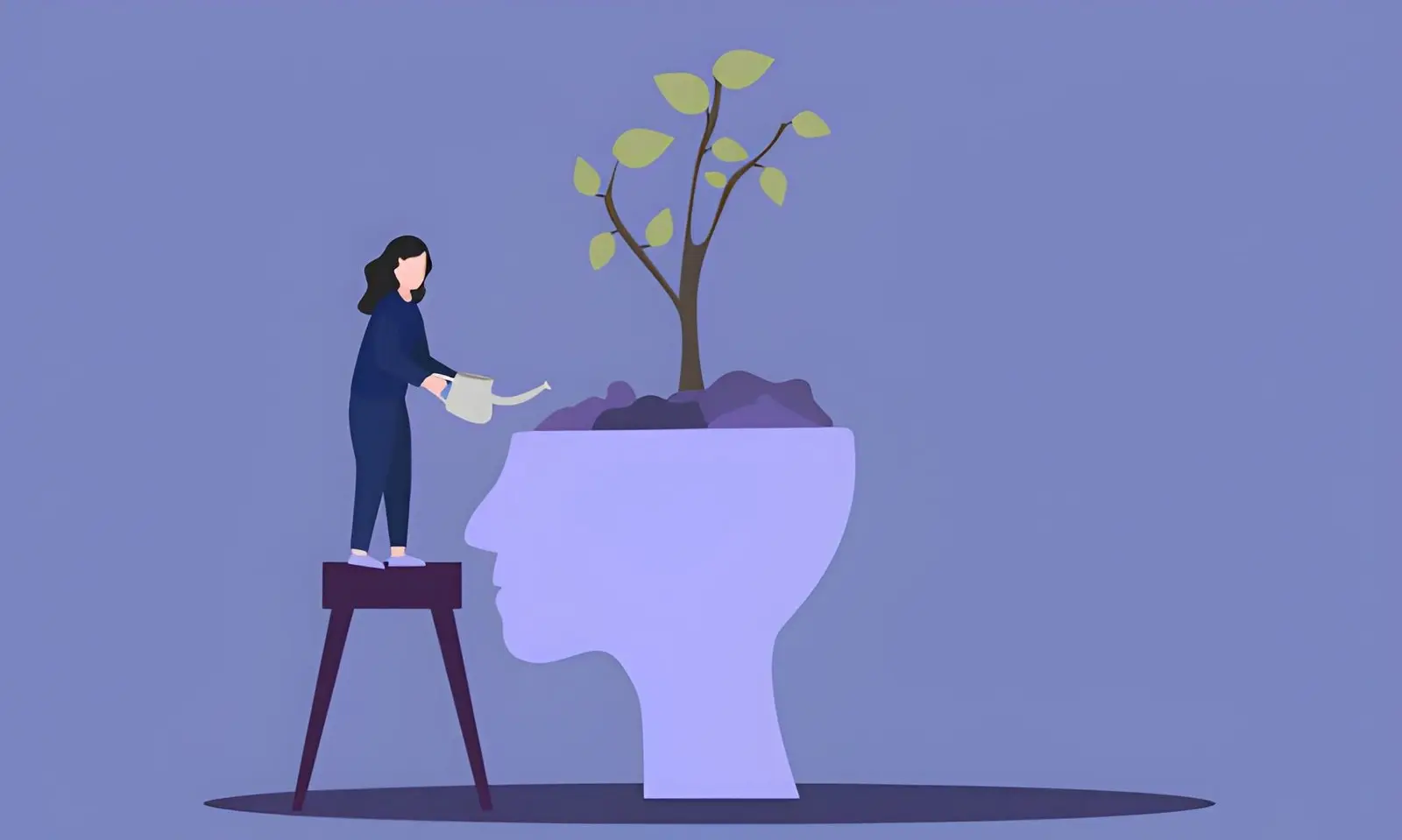
Key Takeaways:
- Curiosity is a fundamental driver of lifelong learning and personal growth.
- Engaging in continuous learning enhances cognitive function and overall well-being.
- Practical strategies can help cultivate and maintain curiosity throughout life.
Curiosity is the spark that ignites a lifelong passion for learning, exploration, and self-improvement. It drives individuals to seek answers, discover new ideas, and connect with the world in meaningful ways. Whether in formal education, career advancement, or personal growth, curiosity forms the foundation for acquiring knowledge and developing critical skills. For families and students looking to maximize this innate drive, an accelerated learning program can foster curiosity through challenging, engaging opportunities.
This inner drive is essential for academic achievement, career development, and overall well-being. Fostering curiosity enhances adaptability, resilience, and innovation, supporting continuous learning beyond formal education. Asking questions, trying new things, and embracing the unknown are key skills for navigating our ever-changing world. Curiosity motivates engagement and goal-setting at all ages. Recognizing and nurturing it can provide lasting advantages for individuals and communities. This article examines how curiosity affects lifelong learning, its scientific foundations, and daily ways to develop it, including effective strategies from experts and health organizations.
The Role of Curiosity in Learning
At its core, curiosity motivates us to explore new things. It serves as a key catalyst for educational success and a deeper understanding of the world around us. When curiosity is sparked, learners tend to ask insightful questions that highlight what they don’t yet know. This makes them more engaged in their learning, as they seek out solutions and explore resources independently. Naturally, curiosity promotes active participation over passive learning. Instead of just memorizing facts for short-term recall, learners view knowledge as something to be built and discovered. This more engaged approach helps ensure they understand and remember new information more effectively.
Benefits of Lifelong Learning
The benefits of lifelong learning are extensive and span across cognitive, professional, and emotional domains. Some of the notable advantages include:
- Cognitive Enhancement: Engaging in continuous learning helps keep the mind agile, improves memory, and increases problem-solving skills. Studies show that those who regularly pursue intellectual activities are less likely to experience age-related cognitive decline.
- Professional Advancement: Continuing to acquire skills and seek new knowledge helps individuals stay up to date with industry trends, making them more competitive in the workforce. This proactive approach often leads to new career opportunities and promotions, as well as personal satisfaction from mastery.
- Personal Fulfillment: Beyond external rewards, lifelong learning enriches lives by fostering a sense of purpose, joy, and accomplishment. Exploring new topics or picking up new hobbies can also reduce stress and improve mental health by encouraging a sense of discovery and growth.
Strategies to Cultivate Curiosity
While some people seem naturally more curious than others, curiosity is a trait that can be actively developed. Here are several practical strategies for cultivating curiosity in daily life:
- Ask Questions: Make a habit of inquiry by wondering about how things work or why things happen. Encourage both yourself and those around you to seek explanations and challenge assumptions.
- Embrace Uncertainty: See ambiguity and the unknown not as threats but as opportunities to learn. Curiosity grows when we become comfortable with admitting what we do not know and being open to exploration.
- Engage with Diverse Perspectives: Reading, learning, or interacting with people from different backgrounds can expand your worldview, introduce you to new ideas, and ignite curiosity about unfamiliar subjects.
Curiosity and Cognitive Health
Maintaining curiosity throughout life is associated with better cognitive health, particularly in seniors. Research indicates that curiosity can help safeguard against cognitive decline and reduce risks such as Alzheimer’s disease. Engaging in activities such as reading, solving puzzles, and social learning can enhance neuroplasticity, enabling the brain to form new neural connections. An inquisitive attitude also strengthens emotional resilience and flexibility, as curious individuals tend to embrace new experiences and welcome change. Incorporating curiosity as a fundamental aspect of daily life supports mental sharpness and keeps spirits lively well into old age.
Curiosity in Educational Settings
Curiosity is instrumental in creating effective and engaging educational environments. When educators give students the freedom to ask questions, pursue topics of interest, and learn through hands-on experiences, motivation and achievement levels rise. A learning space that encourages experimentation, teamwork, and productive failure fosters innovation and supports deeper academic performance.
- Facilitating open-ended discussions, encouraging exploration, and validating students’ interests can nurture creative thinking and long-term curiosity.
- Hands-on, project-based learning helps students make real-world connections and see the relevance of what they study.
- Providing a safe, supportive space to make mistakes builds students’ resilience and confidence, empowering them to persist through difficulties.
For more strategies on fostering curiosity in education, the Edutopia resource on cultivating curiosity offers a wealth of evidence-based ideas for parents and teachers.
Overcoming Barriers to Curiosity
Curiosity offers numerous benefits, but various barriers can hinder it, including the fear of failure, a fixed mindset, time constraints, and external pressures. Adopting a growth mindset, which holds that our abilities can develop through effort and learning, can encourage exploration. Viewing mistakes as temporary setbacks fosters risk-taking and innovation. Effective time management is essential; dedicating even a few minutes each day to curious pursuits helps prioritize intellectual stimulation. Embracing mistakes as a natural part of the learning process can further enhance curiosity and deepen understanding.
Conclusion
Curiosity stands at the heart of lifelong learning, enriching minds and lives across all ages. By intentionally nurturing curiosity, individuals unlock cognitive benefits, personal growth, and professional opportunities that persist over time. In classrooms, workplaces, and homes, fostering a culture of discovery leads to thriving communities and empowered individuals who continually adapt and excel in an ever-evolving world.
Also Read-Navigating Life’s Challenges: Finding the Right Support