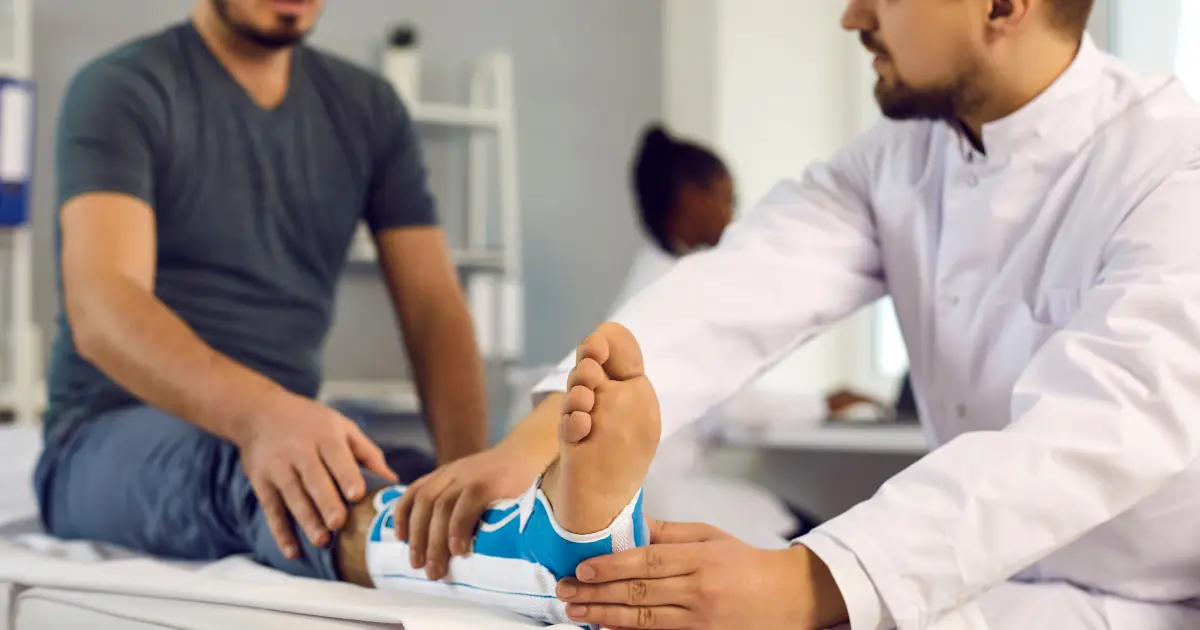
Dealing with persistent joint pain or a sudden injury can be a significant disruption to daily life. The prospect of seeking specialized medical help often brings a mix of hope and uncertainty. Many people wonder where to start, what to expect, and how to ensure they receive the best possible treatment for their specific condition.
What is Orthopedic Care?
Orthopedic care focuses on the health of your musculoskeletal system. This includes your bones, joints, ligaments, tendons, and muscles. These are the structures that allow you to move, support your body, and perform everyday activities. An orthopedic specialist is a medical doctor who diagnoses and treats conditions affecting these parts of your body.
The Scope of Orthopedic Services
The field of orthopedics is broad, covering everything from common ailments like arthritis and sports injuries to more complex issues such as fractures and degenerative diseases. Treatment approaches can range from conservative methods like physical therapy and medication to surgical interventions when necessary.
When to Consider Orthopedic Consultation
You might benefit from orthopedic care if you experience:
- Persistent joint pain (knees, hips, shoulders, back).
- Limited range of motion.
- Swelling or stiffness in joints.
- Sudden injuries like sprains, strains, or fractures.
- Numbness or tingling that could indicate nerve compression related to the musculoskeletal system.
The Role of Specialized Treatment
Orthopedic surgeons often specialize further within the field. This allows them to develop deep expertise in specific areas, such as:
- Sports Medicine: Focusing on injuries common in athletes, from professional to recreational.
- Joint Replacement: Specializing in procedures like hip and knee replacements for severe arthritis.
- Spine Surgery: Addressing conditions affecting the back and neck.
- Hand and Upper Extremity: Treating issues in the wrist, elbow, and hand.
- Foot and Ankle: Managing problems in the lower extremities.
Seeking a specialist whose focus aligns with your specific problem can lead to more precise diagnosis and effective treatment planning.
Common Orthopedic Challenges and Misconceptions
Navigating orthopedic health can sometimes be clouded by common errors in understanding or approach. Being aware of these can help you make better decisions for your care.
- Ignoring Early Warning Signs: Many people wait until pain is severe before seeking help. Minor aches and pains can sometimes indicate developing issues that are easier to manage when addressed early.
- Self-Diagnosing with Online Information: While research is good, relying solely on internet searches for diagnosis can be misleading. Symptoms can overlap between different conditions, and professional evaluation is crucial.
- Assuming Surgery is the Only Option: Many orthopedic problems can be effectively managed with non-surgical treatments. It’s important to discuss all available options with your doctor.
- Not Following Post-Treatment Protocols: Whether it’s physical therapy exercises or activity restrictions, adhering to your doctor’s or therapist’s instructions is vital for recovery and long-term success.
- Believing Age is the Sole Cause of Joint Issues: While age can be a factor, many orthopedic conditions are influenced by genetics, lifestyle, past injuries, and activity levels, not just the number of years lived.
Practical Steps for Your Orthopedic Care
Taking proactive steps can significantly improve your experience and outcomes when seeking orthopedic help.
- Document Your Symptoms: Keep a log of your pain, its intensity, when it occurs, and what activities make it better or worse. Note any swelling, stiffness, or clicking sensations.
- Gather Your Medical History: Compile a list of previous injuries, surgeries, current medications, and any relevant family medical history.
- Prepare Questions: Think about what you want to know about your condition, treatment options, recovery time, and potential risks.
- Understand Treatment Goals: Discuss with your doctor what success looks like for your specific situation. Is it pain reduction, improved mobility, or a return to specific activities?
Making Informed Decisions About Your Health
When considering your options, think about what truly matters for your quality of life. This often involves balancing the effectiveness of a treatment with its potential impact on your daily routine and long-term well-being. It’s about finding a solution that allows you to return to the activities you enjoy with minimal discomfort and maximum function.
Choosing the right provider is a key part of this process. For those seeking advanced orthopedic solutions in Montreal, exploring options at a reputable clinique orthopedique can provide access to specialized expertise and modern treatment approaches.
Looking Ahead in Orthopedic Medicine
The field of orthopedics is constantly evolving. Advancements in minimally invasive surgical techniques, regenerative medicine, and personalized rehabilitation programs are continually improving patient outcomes. Staying informed about these developments can empower you to have more productive conversations with your healthcare providers about the latest possibilities for your care.
Also Read
- The Science of Sole: How Footwear Affects Your Health
- 6 Time Saving Tips For Managing Accounts Payable Efficiently
- Mounting, Assembly, and Setup Work in Toronto Homes and Condos