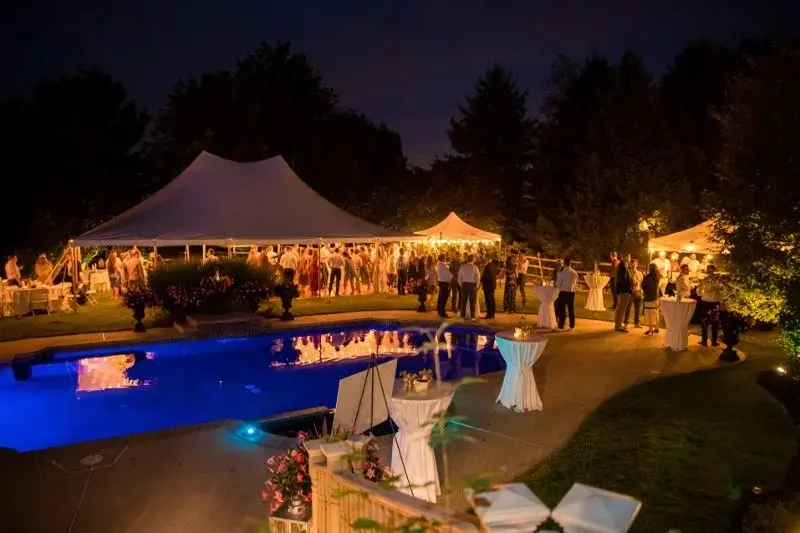
Navigating event tent rentals can seem daunting. Discover key factors to ensure your outdoor event is sheltered, comfortable, and memorable.
Understanding the Need for Event Tents
Outdoor events offer unique charm and flexibility, but they also come with the unpredictable element of weather. A sudden shower, intense sun, or unexpected chill can quickly turn a dream gathering into a memorable disaster. This is where a well-chosen event tent becomes more than just a cover; it’s the foundation for a successful and comfortable experience for your guests.
Key Concepts in Event Tent Rentals
When you’re planning an event, the focus often lies on the decorations, catering, and entertainment. However, securing the right shelter is a critical logistical step. Understanding the terminology and options available can significantly simplify the process. Essentially, an event tent rental provides a temporary, covered structure designed to protect attendees from the elements, create distinct spaces, and enhance the overall ambiance of an outdoor venue.
Deep Dive: Factors for a Successful Tent Rental
Determining the Right Size and Capacity
One of the most common oversights is misjudging the space needed. It’s not just about fitting people in; it’s about comfort and functionality. Consider:
- Guest Count: Always err on the side of slightly more space than you think you need.
- Activities Planned: Will there be dancing, a stage, buffet tables, or seating arrangements? Each requires dedicated space.
- Table and Chair Layout: Different arrangements (banquet, classroom, cocktail) occupy varying amounts of floor space.
- Flow of Traffic: Ensure guests can move around freely without feeling cramped.
Choosing the Appropriate Tent Style
Tents come in various styles, each suited for different aesthetics and functional needs. Understanding these options helps align your choice with your event’s theme and purpose.
- Pole Tents: These rely on poles and tensioned fabric for support, often offering a classic, elegant look suitable for smaller to medium-sized events. They typically require staking into the ground.
- Frame Tents: These have a freestanding structure with a metal frame, offering more flexibility in placement as they don’t require center poles. This makes them ideal for larger events or venues where staking is not possible.
- Clear Span Tents: These are large, engineered structures that offer maximum open space without interior poles, providing a vast, unobstructed area. They are often used for major festivals, concerts, or large corporate functions.
Understanding Site Considerations and Setup
The location of your event plays a crucial role in tent selection and installation. Professional rental companies will assess these factors:
- Ground Surface: Is the ground level? Is it grass, asphalt, or concrete? This impacts installation methods (staking vs. ballasting).
- Drainage: Ensure the site has adequate drainage to prevent water pooling under or around the tent.
- Accessibility: Can delivery trucks and installation crews easily access the site?
- Utilities: Are there overhead power lines or underground utilities that need to be avoided?
Common Mistakes and Misconceptions
- Underestimating Space: Cramming guests into a tent that’s too small leads to discomfort and a poor guest experience.
- Ignoring the Weather: Assuming good weather and not planning for potential rain or sun can be a significant gamble.
- Forgetting About Lighting and Flooring: A tent is a shell; lighting and appropriate flooring are essential for comfort and ambiance.
- Not Considering Setup and Teardown Time: Factor in the time required for installation and removal, especially if the venue has strict access times.
- DIY Tent Assembly: Unless you have professional experience, attempting to set up a large tent yourself is dangerous and often leads to structural issues.
Practical Takeaways for Your Event
When you are looking for event tent rental, start by creating a detailed guest list and outlining your event’s activities. Contact rental companies early to discuss your needs and get a clear understanding of what is included. Always ask for a site visit or provide detailed information about your chosen venue.
Decision-Making Perspective for Event Planners
From an event planner’s standpoint, the primary goal is to deliver a seamless and memorable experience within budget. Choosing the right tent rental company involves evaluating their:
- Experience and Reputation: Look for companies with a proven track record and positive client testimonials.
- Inventory and Quality: Ensure they have a well-maintained selection of tents and related equipment.
- Customer Service: Responsive communication and helpful guidance are crucial throughout the planning process.
- Safety Standards: COR certification or similar safety accreditations indicate a commitment to professional installation.
Looking Ahead: The Evolution of Event Shelters
The event rental industry is continually evolving with advancements in materials and design. Expect to see more sustainable options, integrated technology for lighting and climate control, and modular tent systems that offer greater customization. As outdoor events continue to gain popularity, the importance of versatile and reliable tenting solutions will only grow.
Also read-Integrating Smart Financial Choices with Physical Wellness for a Balanced Life