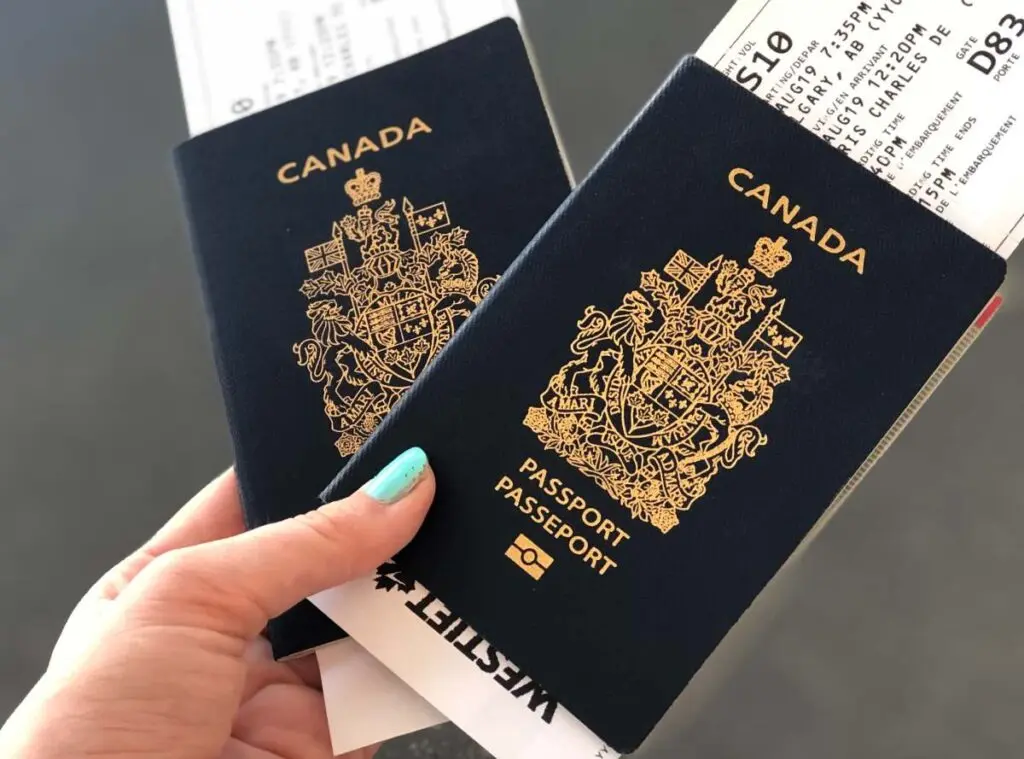
The dream of a sun-drenched Spanish life often begins with a significant logistical challenge: moving your entire household across an ocean. For many Canadians, this transition involves more than just packing boxes; it’s about orchestrating a complex international move. Understanding the intricacies involved, from the initial planning stages to the final delivery, can alleviate a great deal of stress and prevent costly errors.
Understanding the International Moving Process
Moving internationally differs significantly from a domestic relocation. It requires careful consideration of shipping methods, customs regulations, transit times, and specialized packing. The key is to approach the process methodically, breaking it down into manageable steps. This ensures that every aspect is addressed, from the smallest trinket to the largest piece of furniture.
Key Considerations for a Canada to Spain Move
Relocating to a new continent involves more than just transporting belongings. It’s about preparing for a new life, and that includes ensuring your possessions arrive safely and efficiently.
- Shipping Methods: The primary options are sea freight and air freight. Sea freight is more economical for larger shipments but takes considerably longer, often several weeks or even months. Air freight is faster but significantly more expensive, typically reserved for essential items or when time is of the essence.
- Customs and Documentation: Spain, like all countries, has specific customs regulations for imported goods. You will need to prepare a detailed inventory list, proof of residency, and potentially other documents to clear your shipment. Failure to have correct documentation can lead to delays or unexpected charges.
- Transit Times: Factor in the entire journey. This includes packing and loading time in Canada, transit time across the Atlantic, and customs clearance and delivery time in Spain. It’s wise to plan for potential delays, especially during peak seasons.
- Insurance: International moves carry inherent risks. Comprehensive transit insurance is crucial to protect your belongings against damage or loss during the journey. Understand the coverage details and any limitations.
Packing and Preparation Strategies
Effective packing is the bedrock of a successful international move. Poorly packed items are more susceptible to damage during the long transit.
- Professional Packing: For valuable or fragile items, consider using a professional packing service. Movers experienced in international shipments know the best materials and techniques to protect your belongings.
- DIY Packing: If you choose to pack yourself, use sturdy boxes and ample padding. Label each box clearly with its contents and the room it belongs in at your new Spanish home. Avoid overpacking boxes, which can make them difficult to handle and increase the risk of breakage.
- Decluttering: Before you pack, take the opportunity to declutter. Moving items you no longer need or use is costly and unnecessary. Consider selling, donating, or discarding items you won’t require in Spain.
Choosing the Right Moving Partner
Selecting a reputable international moving company is paramount. Their expertise in handling overseas logistics, navigating customs, and ensuring secure transit can make or break your moving experience.
- Get Multiple Quotes: Obtain detailed quotes from several international movers. Compare not only the price but also the services included, insurance options, and estimated transit times.
- Check Reviews and Reputation: Look for companies with a strong track record and positive customer reviews. Professional accreditations can also be a good indicator of reliability.
- Understand Their Services: Clarify what services are included. Does the quote cover packing, loading, shipping, customs assistance, and final delivery? Are there any hidden fees?
Common Mistakes and Misconceptions
Many people encounter challenges due to common oversights:
- Underestimating Costs: International moves often come with unexpected fees. Always budget for a contingency.
- Rushing the Process: Last-minute planning is a recipe for disaster. Start your research and booking at least 3-4 months in advance.
- Ignoring Customs Rules: Failing to understand Spain’s import regulations can lead to significant delays and fines.
- Not Insuring Valuables: Assuming your belongings are covered without proper insurance is a risky gamble.
- Packing Prohibited Items: Certain items are restricted or forbidden from international shipment. Always check the list provided by your mover.
Practical Takeaways for Your Move
To ensure a smoother transition, focus on these actionable steps:
- Start planning your move at least six months in advance.
- Obtain at least three detailed quotes from international moving companies.
- Create a comprehensive inventory of all items you plan to ship.
- Familiarize yourself with Spanish customs regulations for personal effects.
- Confirm your insurance coverage and understand its limitations.
A Decision-Maker’s Perspective
When you are looking for canada to spain movers, your primary goal is peace of mind. You want to trust that your possessions will be handled with care and arrive at your new home intact. This means prioritizing companies that demonstrate transparency in their pricing, offer robust insurance options, and have a proven history of successful international relocations. The cheapest quote is rarely the best; value lies in reliability and comprehensive service.
Looking Ahead: The Evolving Landscape of International Relocation
The world of international moving is constantly adapting. Advances in tracking technology are providing greater visibility into shipment progress. Furthermore, a growing emphasis on sustainable moving practices is influencing how companies pack and transport goods. Staying informed about these trends can lead to more efficient and environmentally conscious moves as you settle into your new Spanish life.
Also Read
- Unlocking Youthful Skin: The Wonders of Microneedling Pen Technology
- Understanding Commercial Refrigerator Performance in Varying Temperatures
- Why Oversized Air Conditioners Often Lead to More Frequent Repairs