Considering attic insulation removal? Learn why it’s sometimes necessary, what the process involves, and how to approach this important home maintenance task.
Why You Might Need to Remove Old Attic Insulation
Your attic insulation is a critical component of your home’s energy efficiency and comfort. Over time, however, it can lose its effectiveness or become compromised. You might notice higher energy bills, cold spots in your home, or even signs of pests or moisture. When these issues arise, it’s often a sign that the existing insulation is no longer doing its job. This is where the need for professional attic insulation removal comes into play.
Understanding Attic Insulation Removal
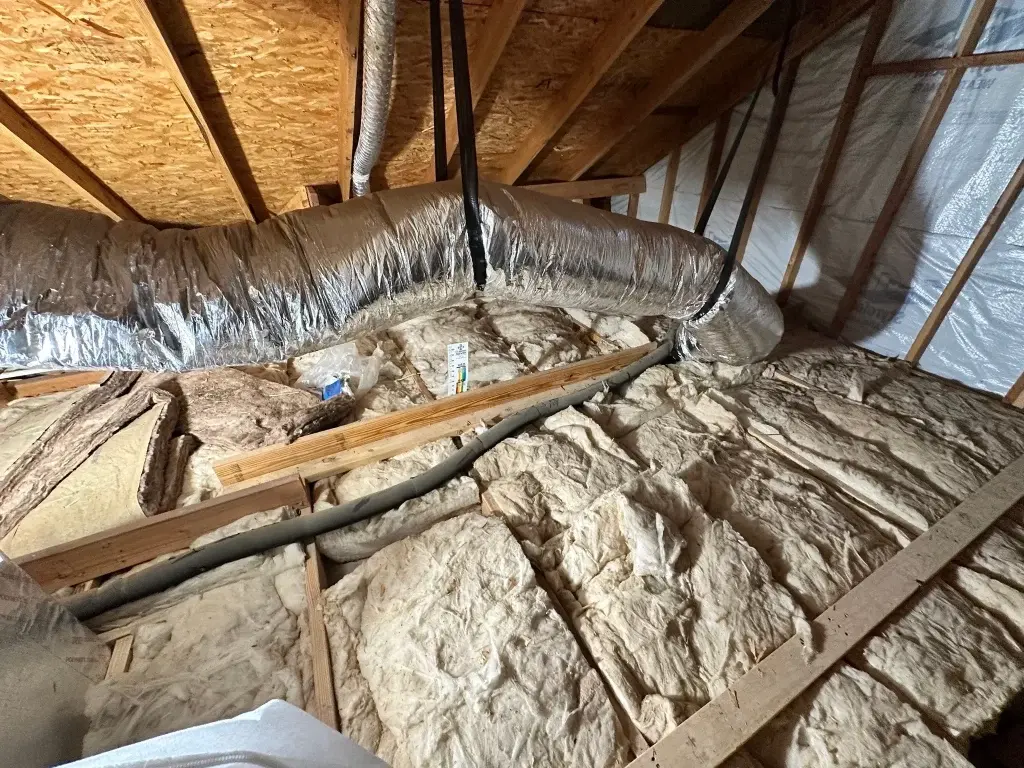
Attic insulation removal is the process of safely and effectively extracting old, damaged, or ineffective insulation material from your attic space. This isn’t a DIY project for most homeowners. Professionals use specialized equipment to contain dust and debris, ensuring a clean and safe environment. The goal is to prepare the attic for new, high-performance insulation that will better regulate your home’s temperature and reduce energy waste.
When is Removal Necessary?
Several factors can necessitate the removal of your attic’s insulation:
- Water Damage: If insulation becomes wet due to a roof leak or condensation, it can lose its R-value (thermal resistance) and become a breeding ground for mold and mildew.
- Pest Infestations: Rodents and insects can nest in insulation, contaminating it and reducing its effectiveness. Their droppings and nesting materials can also pose health risks.
- Compaction and Settling: Over years, some types of insulation can compact, becoming less effective at trapping air and insulating your home.
- Outdated or Ineffective Materials: Older homes may have insulation that no longer meets current energy efficiency standards or is made from materials that are now considered less desirable.
- Renovations: Major renovations that involve working in the attic often require insulation removal to ensure a clean slate for new installations.
The Removal Process Explained
A professional attic insulation removal service typically follows a structured approach:
- Preparation: The area is sealed off to prevent dust and debris from spreading into the rest of the house. Protective gear is worn by the crew.
- Extraction: Industrial vacuums are used to suck out the old insulation. This is done carefully to minimize disturbance.
- Debris Removal: All removed insulation and any associated debris are bagged and disposed of properly.
- Cleaning and Inspection: The attic is cleaned, and a thorough inspection for any underlying issues like leaks or pest damage is conducted.
- Readiness for New Insulation: The attic is now prepped and ready for the installation of new, efficient insulation.
Choosing the Right Time for Replacement
While removal is a distinct step, it’s often part of a larger insulation upgrade. If you are looking for attic insulation removal service, consider that this is the perfect opportunity to have new, modern insulation installed. This ensures you get the maximum benefit from the process, improving your home’s comfort and energy savings for years to come. Consult with professionals to determine the best insulation type and R-value for your specific climate and home.
Common Mistakes and Misconceptions
- DIY Removal: Attempting to remove insulation yourself can be hazardous due to dust, mold spores, and potential structural issues.
- Ignoring Signs of Damage: Delaying removal when insulation is compromised can lead to more significant problems like mold growth or increased energy costs.
- Not Inspecting for Underlying Issues: Simply removing old insulation without checking for leaks or pest damage means the problem will likely recur.
- Reusing Old Insulation: Even if it looks clean, old insulation has likely lost its R-value and may contain hidden contaminants.
- Not Sealing the Area: Failing to properly seal the attic during removal can cause widespread dust contamination throughout the home.
Practical Takeaways for Homeowners
If you suspect your attic insulation is past its prime, the first step is a professional assessment. Look for signs like:
- Unusually high heating or cooling bills.
- Uneven temperatures between rooms or floors.
- Visible signs of mold, mildew, or pest droppings in the attic.
- The insulation appearing thin, matted, or uneven.
A qualified professional can identify the type of insulation you have and its condition, advising on the best course of action.
A Homeowner’s Decision-Making Perspective
Deciding to remove and replace attic insulation is an investment in your home’s long-term health and efficiency. While there’s an upfront cost, the benefits often outweigh it. Consider the potential savings on energy bills, the increased comfort of your living space, and the protection of your home’s structure from moisture and pests. It’s about creating a healthier, more comfortable, and more cost-effective environment for your family.
Looking Ahead: The Evolving Landscape of Insulation
The insulation industry is continually innovating. New materials and technologies are emerging that offer better performance and environmental benefits. As you consider insulation upgrades, research options like spray foam, blown-in cellulose, or advanced fiberglass products. Staying informed about these advancements ensures you’re making the best choice for your home’s future energy needs and sustainability goals.
Also Read
- Unlocking Youthful Skin: The Wonders of Microneedling Pen Technology
- Seamless Arrivals and Departures: Elevating Your Airport Travel Experience
- Navigating Life’s Challenges: Finding the Right Support