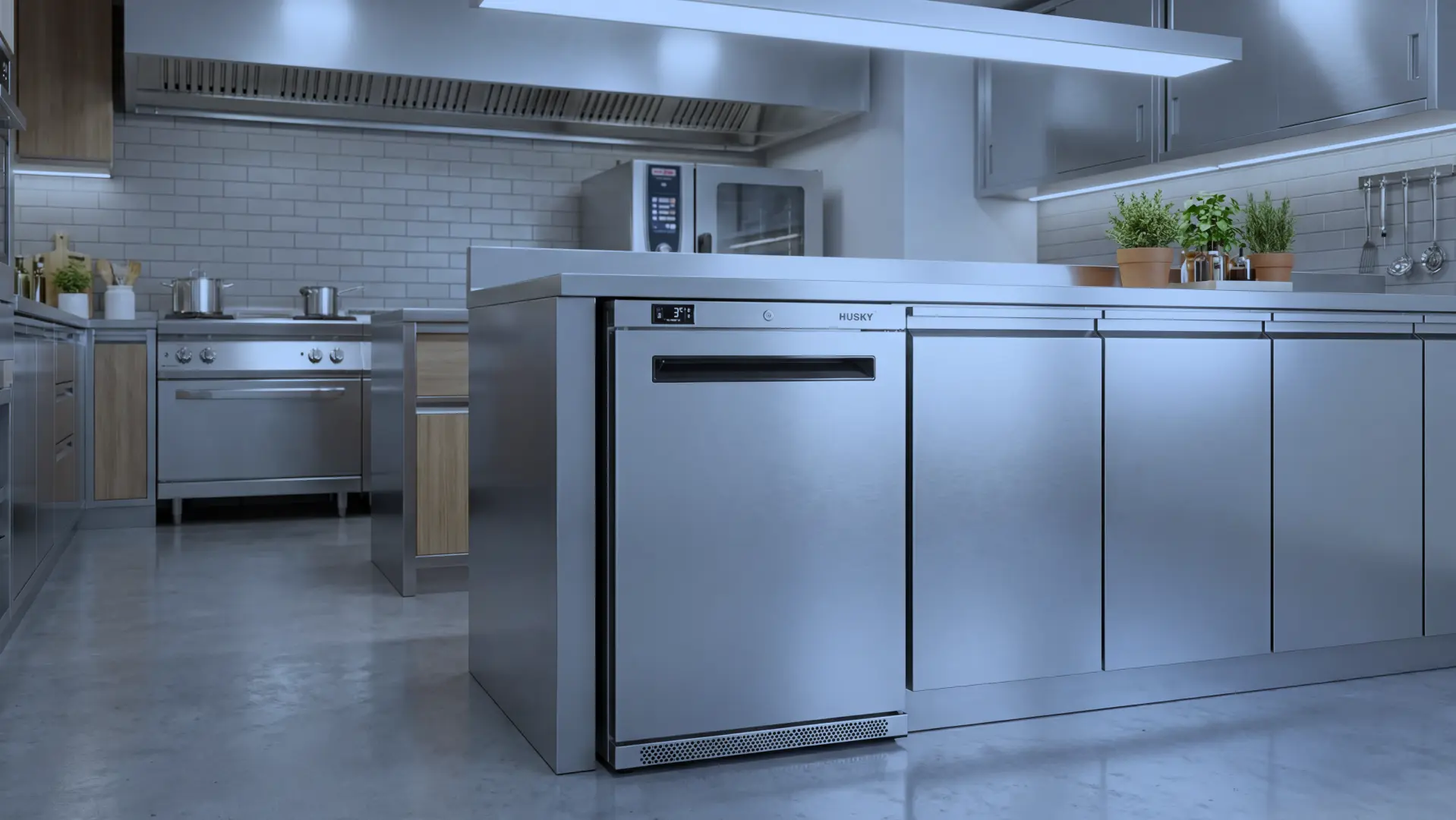
Explore how external temperatures impact commercial refrigerators, essential for businesses. Learn practical tips for optimal performance and longevity.
The Silent Struggle: When Heat Challenges Cold Storage
For any business relying on commercial refrigeration—be it a bustling restaurant, a busy convenience store, or a large distribution center—maintaining precise temperature control is paramount. Food safety, product quality, and ultimately, profitability depend on it. Yet, a common and often underestimated challenge arises when external environmental conditions, particularly heat, begin to affect the internal workings of these crucial appliances. Understanding this dynamic is key to preventing costly spoilage and operational disruptions.
What is Commercial Refrigerator Performance?
Commercial refrigerator performance refers to the appliance’s ability to consistently maintain its set internal temperature, regardless of external factors. This involves efficient cooling cycles, proper airflow, and minimal energy consumption to achieve the desired cold environment. Key indicators include temperature stability, humidity control, and the speed at which the unit can recover from door openings or load additions.
The Science Behind Temperature Fluctuations
Refrigeration systems work by transferring heat from the inside of the unit to the outside. When the ambient temperature rises significantly, the system has to work harder to achieve this heat transfer. The compressor, the heart of the cooling system, has to run more frequently and for longer periods to compensate for the increased heat load. This extra strain can impact efficiency and longevity.
How External Heat Impacts Cooling
- Increased Compressor Workload: A hotter environment means the compressor must work harder and longer to dissipate heat, leading to higher energy consumption and potential overheating.
- Reduced Cooling Efficiency: The greater the temperature difference between the inside and outside, the more challenging it is for the refrigeration coils to effectively remove heat.
- Condensation and Frost Buildup: Higher ambient humidity, often associated with hot weather, can lead to increased condensation on external surfaces and potentially faster frost buildup inside the unit if not managed properly.
- Component Strain: Prolonged periods of high ambient temperatures can put extra stress on various components, including fans, motors, and seals, potentially shortening their lifespan.
Factors Amplifying the Problem
- Poor Ventilation: If commercial refrigerators are placed in enclosed spaces with inadequate airflow, the heat exhausted by the unit can accumulate, creating a feedback loop that makes cooling even harder.
- Direct Sunlight: Units exposed to direct sunlight absorb more heat, significantly increasing the internal temperature and the demand on the cooling system.
- Frequent Door Openings: While normal for many operations, frequent or prolonged door openings in hot weather allow more warm air to enter, making temperature recovery more difficult.
- Overstocking: Cramming too much product into a unit restricts airflow, hindering the cold air’s ability to circulate and maintain consistent temperatures.
Common Mistakes and Misconceptions
- Ignoring Ambient Temperature: Many assume a refrigerator will perform the same regardless of the weather, neglecting the impact of external heat.
- Over-Reliance on Thermostat Settings: Simply turning down the thermostat won’t solve efficiency issues caused by high ambient temperatures; it can even lead to freezing problems.
- Neglecting Ventilation: Failing to ensure adequate space around the unit for air circulation is a frequent oversight.
- Assuming All Units Are Equal: Different models and brands have varying efficiencies and tolerances for environmental conditions. Investing in reliable equipment is crucial; for businesses seeking dependable solutions, exploring options from experienced manufacturers like https://habcomfg.com/ can be beneficial.
Practical Takeaways for Optimal Performance
- Monitor Ambient Temperature: Be aware of the conditions surrounding your refrigerators, especially during warmer months.
- Ensure Proper Ventilation: Leave adequate space around the unit for air to flow freely. Keep vents clear of obstructions.
- Schedule Regular Maintenance: Clean condenser coils, check door seals, and have professional servicing performed annually.
- Manage Door Openings: Train staff to minimize the time doors are left open and ensure they are properly sealed after use.
- Avoid Direct Sunlight and Heat Sources: Position units away from windows, ovens, or other heat-generating equipment.
A Practical Decision-Making Perspective
When selecting commercial refrigeration, consider the typical environmental conditions of your operational space. If your business is in a consistently warm climate or has areas prone to high temperatures, prioritize units designed for robust performance under such stress. Look for features like enhanced insulation, powerful compressors, and efficient fan systems. For businesses where consistent temperature is non-negotiable, understanding the limitations and performance characteristics of your equipment in different settings is a vital part of operational planning.
Looking Ahead: Smarter Cooling Solutions
The future of commercial refrigeration will likely involve more intelligent systems that can adapt to changing environmental conditions. Innovations in sensor technology, variable speed compressors, and advanced control algorithms are enabling appliances to optimize their performance and energy usage more dynamically. As businesses face increasingly unpredictable weather patterns, the demand for resilient and efficient cooling solutions will only continue to grow.
Also Read
- Unlocking Youthful Skin: The Wonders of Microneedling Pen Technology
- Business fuel cards for better spending control
- Why Seasonal HVAC Tune-Ups Matter More in Humid vs Dry Climates