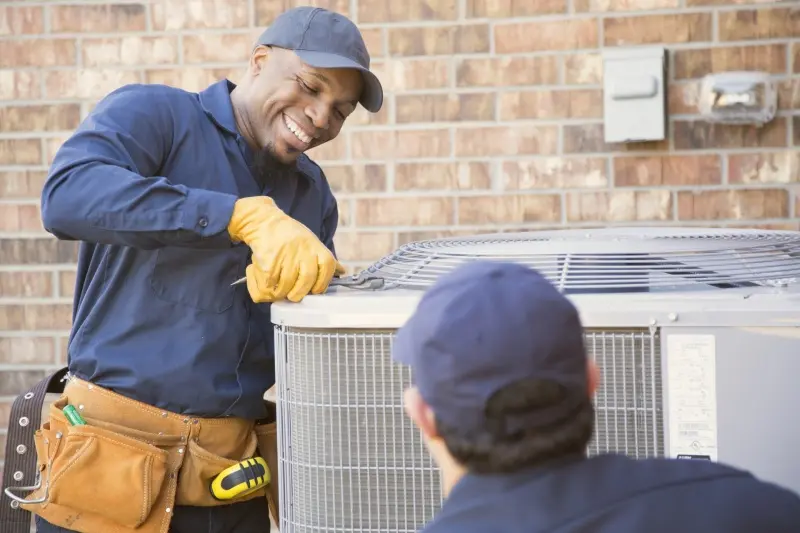
An air conditioner is expected to regulate indoor temperatures smoothly while maintaining comfort and stability throughout the home. However, when a unit is larger than the space requires, it does not operate as it was designed to. Instead of running steady cycles, it tends to switch on and off more aggressively, leading to uneven performance. This mismatch between system capacity and room demand often leads to strain on internal components over time.
As a result, homeowners may notice inconsistent cooling, increased maintenance needs, and a reduced system lifespan. Proper sizing is a critical factor that directly influences the durability, efficiency, and overall reliability of cooling systems in both residential and commercial environments.
Key reasons behind system strain
Short Cycling and Mechanical Stress
Oversized air conditioners tend to cool a space too quickly, causing the system to shut off before completing a full cooling cycle. This pattern, known as short cycling, places repeated stress on key components such as the compressor, fan motor, and electrical controls. Instead of operating at a steady rhythm, the system repeatedly starts and stops, which increases wear far more quickly than during normal operation. Over time, this behavior can lead to frequent breakdowns and unexpected service needs. It also prevents the system from reaching optimal efficiency because it never runs long enough to stabilize internal temperatures.
In many cases, homeowners only realize the problem after repeated repairs become necessary. This is why proper load calculation is essential during installation. Even services like AC Repair & AC Replacement in Woodland Hills often encounter systems that were initially oversized, leading to recurring mechanical issues that could have been avoided with correct sizing from the beginning.
Humidity Control and Indoor Comfort Issues
One of the less obvious problems caused by oversized air conditioners is poor humidity control. Because the system cools the air so quickly, it does not stay on long enough to remove sufficient moisture from indoor spaces. This leaves rooms feeling cool but damp, creating discomfort and encouraging conditions where mold or mildew can develop. Excess humidity also affects building materials and can contribute to musty odors over time. The constant switching on and off prevents the evaporator coil from operating long enough to extract moisture effectively.
As a result, indoor air quality declines even though temperatures may appear stable. This imbalance forces homeowners to adjust settings more frequently to alleviate discomfort, which places additional strain on system controls and sensors. Over time, these repeated adjustments contribute to wear on the thermostat and control board, increasing the likelihood of repair needs and reducing the overall consistency of indoor environmental control.
Airflow Imbalances and Duct Problems
When an air conditioner is too large for a space, it pushes conditioned air into the rooms at a rate that ductwork may not be designed to handle. This creates pressure imbalances that can lead to uneven airflow distribution across the building. Some rooms may become overly cold while others remain warm, leading occupants to make constant adjustments. The excessive force of airflow can also place stress on duct joints, causing leaks or loose fittings over time. Once the ducts begin to lose integrity, the system must work harder to maintain consistent temperatures, further increasing strain on internal components.
Additionally, rapid air delivery can create noise and reduce overall comfort. These airflow inconsistencies often go unnoticed at first but gradually develop into larger performance problems that require professional attention. As duct systems degrade under pressure, repair frequency increases, and energy efficiency declines, making the entire cooling system less reliable and more costly to maintain.
Refrigerant and Coil Complications
Oversized air conditioning systems often experience irregular refrigerant behavior due to their rapid cooling cycles. When the system shuts down too quickly, refrigerant does not circulate evenly through the evaporator and condenser coils. This uneven distribution can lead to temperature inconsistencies within the system and place strain on the compressor. Over time, this imbalance may contribute to coil freezing or reduced heat exchange efficiency. The evaporator coil, in particular, requires steady airflow to function correctly, and short bursts of operation prevent it from maintaining stable performance.
These conditions increase the likelihood of system faults and reduce overall reliability. In some cases, technicians may find that coils accumulate dirt or moisture more quickly due to inconsistent operating patterns. As a result, cleaning and maintenance become more frequent requirements. The combination of unstable refrigerant flow and coil stress ultimately contributes to a cycle of recurring service issues, shortening the system’s operational life.
Energy Consumption and Component Wear
An oversized air conditioner does not necessarily consume less energy; in fact, it often leads to inefficient energy use due to frequent start-stop cycles. Each startup cycle requires a power surge, which places strain on electrical components such as capacitors and relays. These repeated power surges accelerate wear and reduce the lifespan of critical parts. Additionally, because the system cools too quickly, it fails to maintain a steady energy rhythm, leading to inconsistent consumption patterns. This inefficiency often results in higher utility costs despite the system’s larger capacity. Over time, electrical stress builds within the unit, increasing the likelihood of circuit issues and operational failures.
Homeowners may notice more frequent tripping or irregular performance as internal components degrade. The combination of electrical strain and inefficient cycling creates a long-term pattern of maintenance needs that could have been avoided with a properly sized system designed to match the space’s actual cooling demand.
Long-Term Maintenance Challenges
Maintaining an oversized air conditioner often becomes more demanding as time passes because its operating patterns inherently create uneven wear across multiple components. Systems with short cycles tend to experience accelerated degradation of both mechanical and electrical components, leading to unpredictable breakdowns. Routine servicing may address immediate issues, but it does not fully correct the underlying imbalance caused by improper sizing. Over time, technicians may observe recurring faults in similar areas such as compressors, sensors, or fan assemblies. This pattern makes maintenance schedules less predictable and increases overall service frequency.
Additionally, the inconsistent operation can make it harder to diagnose emerging issues early, since symptoms may appear sporadically. Homeowners may find themselves investing more in repairs rather than preventive care. Without addressing the root cause of oversizing, the system continues to operate under stress, reducing its long-term reliability and increasing the likelihood of repeated technical interventions over its lifespan.
Proper air conditioner sizing plays a central role in ensuring long-term performance and reliability. When a system is too large for its environment, it does not simply cool faster; it disrupts the balance required for efficient operation. This imbalance leads to short cycling, uneven humidity control, airflow problems, and increased mechanical strain. Over time, these issues contribute to frequent repairs and reduced system lifespan.
Understanding the importance of correct load calculation helps prevent unnecessary costs and performance challenges. A well-matched system operates more smoothly, maintains consistent comfort, and reduces strain on internal components. Ultimately, careful sizing decisions at the installation stage can make a significant difference in avoiding ongoing maintenance problems and ensuring dependable cooling performance over the years.
Also Read
- Stop Peeling Paint and Protect Bathroom Walls from Damage
- Easy Window Treatment Ideas for a Stylish Home
- Integrating Smart Financial Choices with Physical Wellness for a Balanced Life