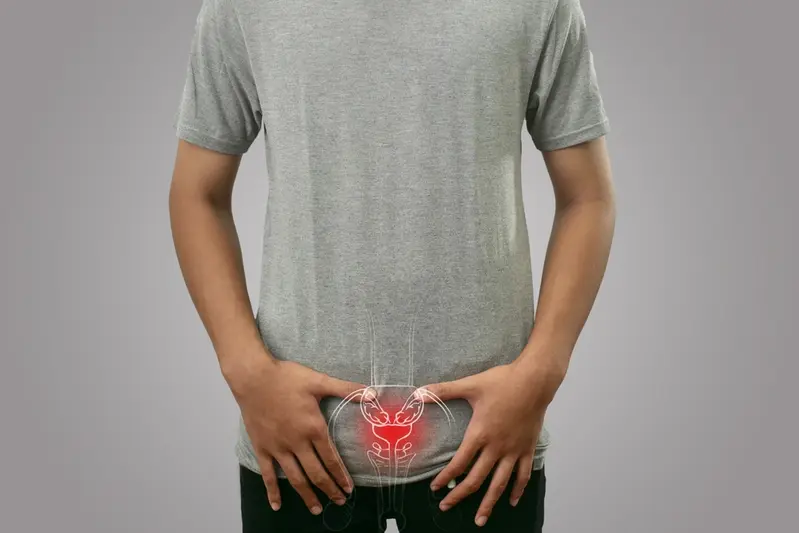
Learn about benign prostatic hyperplasia (BPH), its symptoms, causes, and effective treatment options for men. Get practical advice for managing this common condition.
The Common Challenge of Prostate Enlargement
Many men, as they age, begin to experience changes in their urinary habits. What might start as an occasional nighttime trip to the bathroom can gradually evolve into more persistent issues like weak flow, urgency, and a feeling of incomplete emptying. This is often a sign of benign prostatic hyperplasia, or BPH, a non-cancerous enlargement of the prostate gland. While a normal part of aging for many, the symptoms can significantly disrupt daily life and affect overall well-being. Understanding the condition is the first step toward finding effective relief.
What is Benign Prostatic Hyperplasia (BPH)?
BPH is a condition where the prostate gland, located just below the bladder, grows larger. This growth is not cancerous and does not increase the risk of prostate cancer. However, as the prostate enlarges, it can press on the urethra, the tube that carries urine from the bladder out of the body. This compression can obstruct urine flow, leading to a range of lower urinary tract symptoms (LUTS). Key concepts to understand include:
- Prostate Gland: A walnut-sized gland in men that produces seminal fluid.
- Urethra: The tube that carries urine from the bladder out of the body.
- Lower Urinary Tract Symptoms (LUTS): A group of symptoms related to bladder function, often associated with BPH.
Exploring the Nuances of BPH
Symptoms and Their Impact
The symptoms of BPH can vary greatly in severity and presentation. Common signs include:
- Frequency: Needing to urinate more often than usual.
- Nocturia: Waking up frequently during the night to urinate.
- Urgency: A sudden, strong urge to urinate that is difficult to postpone.
- Hesitancy: Difficulty starting the urine stream.
- Straining: Needing to push or strain to urinate.
- Weak Stream: A urine stream that is less forceful than before.
- Dribbling: Urine leakage at the end of urination.
- Incomplete Emptying: A sensation that the bladder is not fully empty after urinating.
These symptoms can affect sleep, social activities, and overall quality of life.
Understanding the Causes and Risk Factors
While the exact cause of BPH is not fully understood, it is strongly linked to aging and hormonal changes. As men age, the balance of hormones can shift, potentially leading to prostate growth.
- Age: BPH is uncommon before age 40, but its prevalence increases significantly with age.
- Family History: Having a father or brother with BPH may increase your risk.
- Race: BPH appears to be more common in Caucasian and African American men compared to Asian men.
- Lifestyle Factors: While less definitive, factors like obesity, lack of exercise, and certain medical conditions such as diabetes and heart disease may play a role.
Diagnostic Approaches
Diagnosing BPH typically involves a combination of methods to assess symptoms and rule out other conditions.
- Medical History and Symptom Assessment: Discussing your symptoms and their impact.
- Physical Examination: Including a digital rectal exam (DRE) to feel the prostate’s size, shape, and texture.
- Urine Tests: To check for infection or other abnormalities.
- Blood Tests: Such as a prostate-specific antigen (PSA) test to screen for prostate cancer.
- Uroflowmetry: Measuring the speed and volume of urine flow.
- Post-Void Residual Measurement: Checking how much urine remains in the bladder after urination.
Common Mistakes and Misconceptions
- Assuming BPH is Prostate Cancer: While both affect the prostate, BPH is benign and distinct from cancer. Regular screening is crucial for early cancer detection.
- Ignoring Symptoms: Many men delay seeking help, hoping symptoms will improve on their own. This can lead to more severe issues and impact quality of life unnecessarily.
- Believing Only Surgery is Effective: A range of treatments exist, from lifestyle changes and medication to minimally invasive procedures, depending on symptom severity.
- Self-Medicating: Using over-the-counter remedies without consulting a doctor can be ineffective or even harmful.
- Confusing BPH with Erectile Dysfunction: While both can occur in aging men, they are separate conditions with different causes and treatments.
Practical Steps for Managing BPH
Taking proactive steps can significantly improve your experience with BPH.
- Monitor Your Symptoms: Keep a diary of your urinary habits to share with your doctor.
- Adjust Fluid Intake: Reduce fluid intake in the hours before bedtime.
- Limit Irritants: Cut back on caffeine and alcohol, which can irritate the bladder.
- Practice Pelvic Floor Exercises: Strengthening these muscles can help with urinary control.
- Discuss Treatment Options: Work with your healthcare provider to find the best approach for your specific needs.
Making Informed Decisions About Treatment
When symptoms of BPH become bothersome or start affecting daily life, it’s time to consider treatment. The decision on the best course of action is highly individual and depends on symptom severity, prostate size, overall health, and personal preferences. For men seeking advanced treatment options, understanding procedures like transurethral resection of the prostate (TURP) is important. You can learn more about these surgical interventions at https://www.urowestmount.com/services/benign-prostate-hyperplasia-bph-turp. Your urologist will guide you through the pros and cons of each available therapy.
Looking Ahead: Evolving Treatments
The landscape of BPH treatment continues to evolve. Beyond traditional surgery and medication, newer minimally invasive techniques are offering effective relief with potentially faster recovery times. Advances in understanding the underlying mechanisms of prostate growth are also paving the way for more targeted therapies. Staying informed and having open conversations with your doctor are key to navigating these developments and ensuring the best possible outcome.
Also Read
- Unlocking Youthful Skin: The Wonders of Microneedling Pen Technology
- The Science of Sole: How Footwear Affects Your Health
- Navigating Life’s Challenges: Finding the Right Support