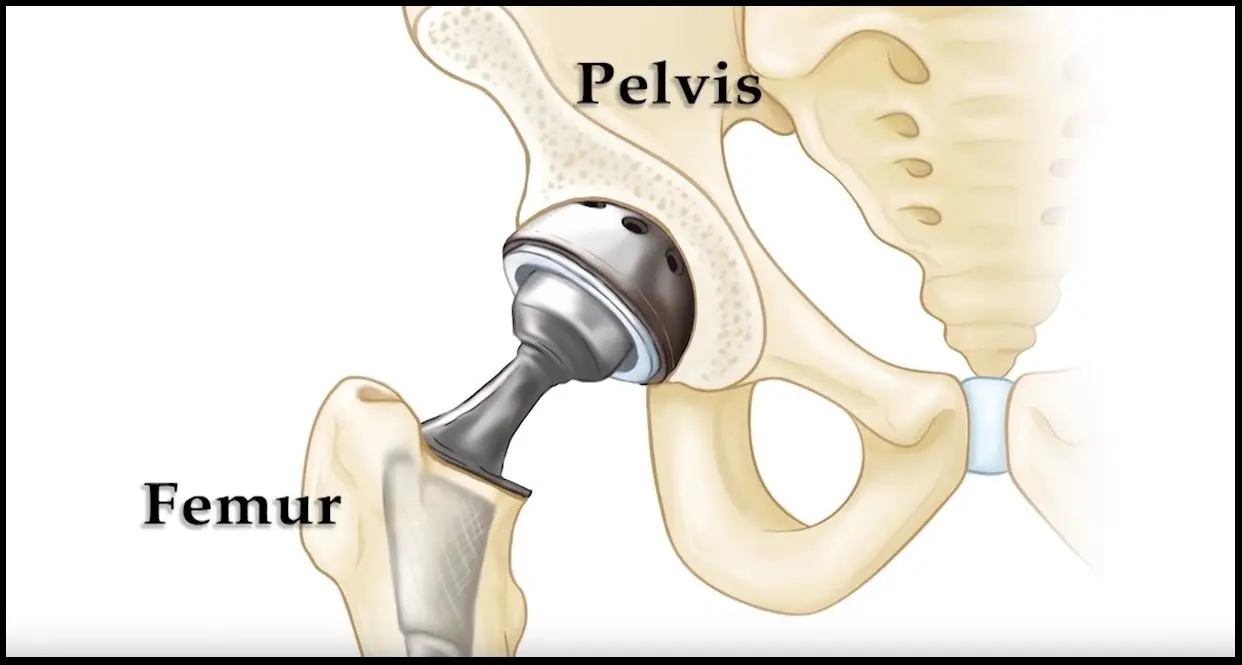
Explore the reasons, procedure, and recovery involved in total hip replacement surgery for severe hip pain and mobility loss.
When Everyday Activities Become a Struggle
Imagine struggling to walk, climb stairs, or even get out of a chair without a sharp, persistent pain. For many individuals, advanced hip conditions transform simple daily tasks into significant challenges. This persistent discomfort and loss of mobility often point to underlying joint damage that may not respond to conservative treatments. When non-surgical options like medication, physical therapy, or injections no longer provide adequate relief, medical professionals often discuss more definitive solutions.
What Exactly Is Total Hip Replacement Surgery?
Total hip replacement, also known medically as total hip arthroplasty (THA), is a surgical procedure designed to address severe damage or arthritis in the hip joint. The goal is to alleviate pain and restore function by replacing the damaged parts of the natural hip with artificial components, called prostheses. This surgery effectively replaces the “ball” (femoral head) of the thigh bone and the “socket” (acetabulum) in the pelvis with durable, smooth materials.
A Deeper Look at the Procedure and Its Implications
The Anatomy of a Hip Joint and Why It Fails
The hip is a remarkable ball-and-socket joint, crucial for weight-bearing and a wide range of motion. The smooth, protective cartilage that normally cushions the ends of the bones within the joint can erode over time due to various factors.
- Osteoarthritis: This is the most common cause, often referred to as “wear and tear” arthritis. It happens as the cartilage gradually breaks down, leading to bone-on-bone friction.
- Rheumatoid Arthritis: An autoimmune disease where the body’s immune system attacks the joint lining, causing inflammation and damage.
- Post-traumatic Arthritis: Develops after a significant hip injury, such as a fracture or dislocation, which can disrupt the joint’s surface.
- Avascular Necrosis: This occurs when blood supply to the femoral head is interrupted, causing bone tissue to die and the bone to collapse.
The Surgical Process: From Damaged Joint to Prosthetic
During a total hip replacement, the surgeon carefully removes the damaged femoral head and prepares the acetabulum. Then, prosthetic components are implanted. These typically consist of:
- A metal or ceramic ball attached to a stem that fits into the femur (thigh bone).
- A plastic, ceramic, or metal cup that lines the acetabulum.
- A liner that fits between the ball and the socket to ensure smooth movement.
The choice of materials depends on factors like patient age, activity level, and surgeon preference. For those looking to learn about total hip replacement surgery, understanding these components is key.
Recovery and Rehabilitation: Getting Back on Your Feet
The recovery period is a critical phase that begins immediately after surgery. While advancements have shortened hospital stays, a structured rehabilitation program is essential for optimal outcomes. This typically involves:
- Early Mobilization: Patients are often encouraged to walk with assistance shortly after surgery.
- Physical Therapy: A tailored program of exercises to regain strength, flexibility, and range of motion.
- Pain Management: Medications and other strategies to control post-operative discomfort.
- Activity Modification: Learning how to perform daily tasks safely and avoid movements that could stress the new joint.
Most people find significant pain relief and improved mobility within a few months, though full recovery can take up to a year.
Common Mistakes and Misconceptions
- Believing surgery is a last resort only for the elderly: While common in older adults, younger, active individuals with severe hip damage can also benefit significantly.
- Underestimating the importance of rehabilitation: Skipping or not fully committing to physical therapy can hinder recovery and limit the long-term success of the implant.
- Expecting to return to all previous high-impact activities immediately: While mobility improves, certain extreme activities may still need to be avoided or modified to protect the implant.
- Not seeking a second opinion when unsure: It’s always wise to discuss your options with multiple qualified surgeons, especially for a significant procedure like this.
- Ignoring early warning signs of hip pain: Delaying consultation can allow conditions to worsen, potentially making surgery more complex or less effective.
Practical Takeaways for Patients
- Educate yourself thoroughly: Understand the reasons for surgery, the procedure, and the expected recovery.
- Set realistic expectations: While life-changing, the surgery is a tool for improved function, not a complete reversal of all limitations.
- Follow post-operative instructions precisely: Adherence to your surgeon’s and physical therapist’s guidance is paramount.
- Communicate openly with your medical team: Report any concerns, pain, or unusual symptoms promptly.
- Prepare your home for recovery: Make necessary adjustments for safety and ease of movement before surgery.
A Patient’s Decision-Making Perspective
Deciding to undergo total hip replacement is a significant personal choice. It involves weighing the current limitations and pain against the risks and recovery involved in surgery. Patients often consider their quality of life, their ability to participate in activities they enjoy, and their long-term independence. Consulting with a surgeon who clearly explains the benefits, risks, and alternatives, and who listens to individual concerns, is crucial in making an informed decision.
Looking Ahead: Innovations in Hip Replacement
The field of orthopedic surgery is continually evolving. Innovations in implant materials are leading to greater durability and longevity. Minimally invasive surgical techniques are also becoming more common, potentially leading to smaller incisions, less pain, and faster recovery times for some patients. Robotic-assisted surgery is another area showing promise in enhancing precision. These advancements aim to further improve patient outcomes and the overall experience of hip replacement surgery.
Also Read
- Unlocking Youthful Skin: The Wonders of Microneedling Pen Technology
- Business fuel cards for better spending control
- The Importance Of Choosing A Dentist Skilled In Both Health And Aesthetics