Key Takeaways
- Establishing a clear command structure is fundamental for coordinated response efforts.
- Regular training and drills prepare teams for real-world scenarios.
- Effective communication ensures timely information sharing and decision-making.
- Resource management is essential for maintaining operational readiness.
- Post-incident evaluations help identify areas for improvement.
Table of Contents
- Establishing a Clear Command Structure
- Regular Training and Drills
- Effective Communication
- Resource Management
- Post-Incident Evaluation
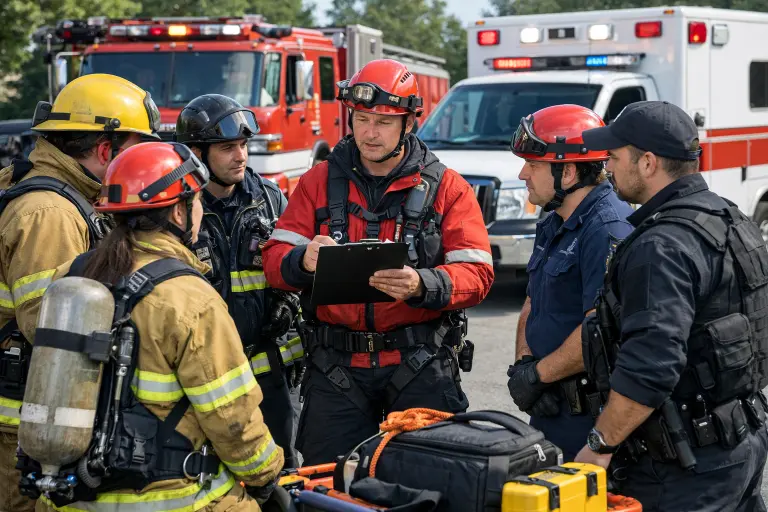
Effective management of emergency response teams is essential for quick, coordinated action during crises, which can save lives and minimize damage. Implementing best practices prepares teams for unforeseen challenges, strengthens their response capabilities, and ensures that every member knows exactly what to do when an emergency occurs. One of the foundations for successful emergency response is monitoring team performance and communication before an incident happens, so real-time feedback can support faster decision-making. Utilizing robust monitoring strategies allows teams to continuously assess readiness and address gaps ahead of time.
Coordination and preparedness do not happen by chance. Instead, they result from a combination of structured leadership, comprehensive training, and a culture of clear communication. Only with the right protocols, tools, and ongoing evaluation can emergency response teams operate effectively in high-pressure situations. Even the most well-equipped teams must adapt to evolving threats and environments, so a proactive, learning-driven approach is critical.
Resource management is another pillar of effective emergency response. Without adequate supplies and proper logistics, even the most skilled teams can falter. Furthermore, trust in leadership and clarity of roles can drive team morale and efficiency, while missed opportunities for improvement may cost precious time or resources. Teams that integrate regular review and feedback into their routines are best positioned to refine their approach over time.
It is important to recognize that disaster response is rarely the responsibility of a single team or agency. Most effective emergency responses stem from multi-disciplinary collaboration where protocols like the Incident Command System (ICS) help unify action.
Establishing a Clear Command Structure
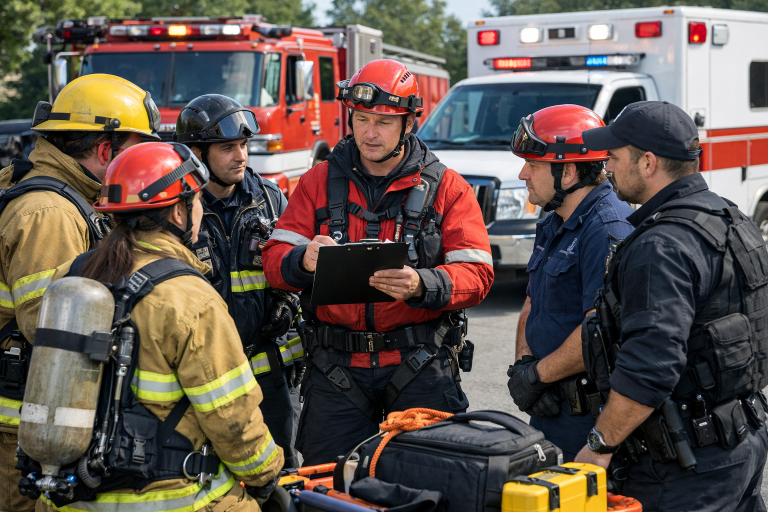
A clear command structure is central to every successful emergency response. By delineating roles and responsibilities ahead of time, every member knows whom to report to and what is expected of them. The Incident Command System (ICS) remains a widely endorsed framework for managing responses because it provides common terminology and clear processes that foster seamless cooperation between agencies. According to the Federal Emergency Management Agency (FEMA), using ICS or similar structures significantly reduces confusion, enabling teams to scale up for large disasters or operate independently during local incidents.
Additionally, the chain of command principles aid in managing resources, delegating tasks, and reducing duplication of effort. The presence of a designated Incident Commander clarifies the decision-making hierarchy, which is critical under the pressure of rapidly evolving emergencies. A structured team is less prone to catastrophic failures that result from miscommunication or conflicting actions.
Regular Training and Drills
Emergency response is an area where training truly makes the difference between chaos and coordinated action. Teams must regularly participate in drills that mimic real-life crisis scenarios. These simulated exercises not only foster individual skills but also expose potential weaknesses in the team’s collective approach. Repeated practice helps build muscle memory, enabling team members to react quickly and correctly without hesitation.
Agencies such as the U.S. Army use extensive training programs involving complex scenarios, such as mass casualty incidents, to ensure that procedures are well-understood and can be executed under pressure. Regular training familiarizes responders with evolving threats and helps standardize protocol adherence across the team. Incorporating feedback loops from each drill sharpens performance and builds resilience.
Effective Communication
Efficiency in emergency response depends heavily on communication. Precise and consistent exchanges of information prevent misunderstandings and missteps. Teams must ensure everyone operates on common platforms and utilizes standard terminology to keep everyone aligned during high-pressure situations. Tools such as incident command boards display real-time updates about personnel, hazards, and resource allocation, aiding both situational awareness and rapid decision-making.
Moreover, open channels of communication help break down silos between responding agencies and facilitate unified action. Team members should feel empowered to communicate concerns as well as suggest solutions. Using technology like push-to-talk radios or real-time group messaging apps can also help bridge gaps when events move faster than standard reporting can handle.
Resource Management
Without the right resources, the best strategies and training can fall short. Resource management prioritizes the availability and functionality of equipment, medical supplies, and communication devices. Regular inventory checks, scheduled equipment maintenance, and robust stockpiling are vital processes that reduce the risk of shortages or malfunctions during critical moments. An organized approach also ensures faster mobilization of the right tools when a call to action arises.
Mutual aid agreements with neighboring jurisdictions expand resource availability during large or protracted incidents. Keeping an updated and accessible inventory allows leaders to deploy resources where they are most needed without delay. Integration with local and regional supply networks further strengthens resilience in the face of wide-scale emergencies or disasters.
Post-Incident Evaluation
Improvement does not end when the emergency is over. After-action reviews are essential for evaluating what worked, what did not, and why. These reviews bring together observations from every team member and incorporate lessons learned into future planning, training, and real-time operations.
Addressing shortcomings and celebrating successes creates a culture of accountability and growth. Over time, such ongoing evaluation sharpens performance and helps teams stay ahead of new threats or operational challenges. Ultimately, it ensures that emergency response teams continue to raise the standard of readiness and service for their communities.
Establishing a disciplined command structure, investing in regular training, fostering communication, maintaining resources, and learning from each event are the core practices that empower emergency response teams to meet the unpredictable demands of crisis response.
Also Read
- Unlocking Youthful Skin: The Wonders of Microneedling Pen Technology
- Exploring the Best Outlets for Perfume in Singapore
- Finding the Best Melbourne Emergency Plumber for Quick Repairs