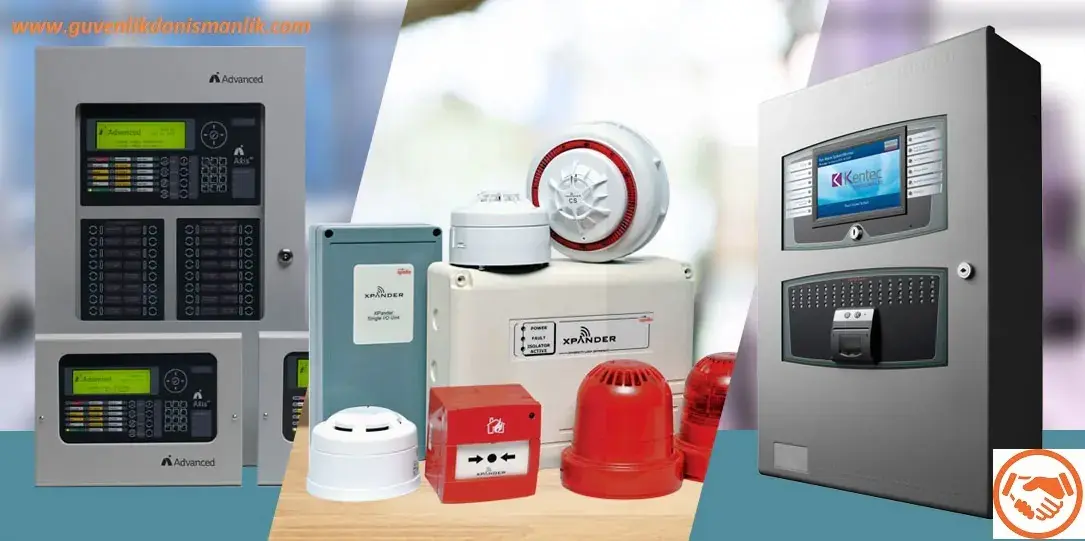
Understand the critical components of fire alarm systems, their functions, and how to approach sourcing reliable parts for maintenance and upgrades.
When it comes to protecting lives and property, a functional fire alarm system is non-negotiable. Yet, the intricate web of components that make up these systems can be daunting. From the initial detection of smoke or heat to the audible and visual alerts that signal danger, each part plays a crucial role. Understanding these components is the first step toward ensuring your system is always ready.
Understanding the Core Components of a Fire Alarm System
A fire alarm system is a carefully orchestrated network designed to detect a fire and alert occupants. At its heart are several key elements that work in concert:
- Control Panel: The brain of the system, receiving signals from detectors and initiating alarms.
- Initiating Devices: These are the sensors that detect fire. This category includes smoke detectors (ionizing and photoelectric), heat detectors, and manual pull stations.
- Notification Appliances: Devices that alert occupants, such as horns, bells, strobes, and voice evacuation messages.
- Power Supplies: Systems rely on both primary (AC) and secondary (battery backup) power sources to ensure continuous operation.
- Ancillary Devices: These include modules for controlling fans, closing fire doors, or shutting down HVAC systems, all designed to aid in fire containment and evacuation.
Deep Dive: Key Components and Their Functions
Smoke and Heat Detectors: The First Line of Defense
Smoke detectors are arguably the most recognized component. Photoelectric detectors are best for smoldering fires, while ionizing detectors respond faster to flaming fires. Heat detectors are often used in areas where smoke detectors might trigger false alarms, such as kitchens or garages.
Pull Stations and Manual Activation
Manual pull stations provide a direct way for individuals to activate the alarm system if they discover a fire before automatic detectors do. Their clear visibility and accessible placement are crucial for immediate response.
Notification Appliances: Ensuring Everyone Hears the Alarm
The effectiveness of an alarm system hinges on its ability to alert everyone. This involves a combination of audible devices like horns and bells, and visual devices like strobe lights, particularly important for individuals with hearing impairments or in noisy environments. Voice evacuation systems offer more specific instructions during an emergency.
Control Panels and Modules: The System’s Intelligence
The fire alarm control panel (FACP) is where all signals converge. It interprets the information from detectors and activates the appropriate notification appliances. Various modules can be connected to the panel to control other building systems, enhancing the overall safety strategy.
Common Mistakes and Misconceptions
- Neglecting Regular Maintenance: Many systems fail not due to component failure, but due to a lack of routine testing and maintenance.
- Using Incompatible Parts: Not all detectors or modules are interchangeable. Using parts not designed for your specific system can lead to malfunctions.
- Ignoring System Age: Older systems may not meet current safety standards or may be difficult to source replacement parts for.
- False Alarm Overload: Frequent false alarms can lead to complacency among occupants, reducing the seriousness with which alerts are taken.
- Improper Installation: Incorrect placement of detectors or inadequate wiring can severely compromise system performance.
Practical Takeaways for System Owners
- Establish a regular inspection and testing schedule with a qualified professional.
- Keep detailed records of your system’s components and maintenance history.
- When replacing parts, always consult your system’s manual or a specialist to ensure compatibility.
- Educate building occupants on the meaning of different alarm signals and evacuation procedures.
Decision-Making Perspective: When to Repair or Replace
Deciding whether to repair a faulty component or replace it often comes down to age, cost, and availability. If a part is obsolete or prohibitively expensive to repair, replacement is usually the more practical choice. For critical systems, sourcing reliable new or refurbished components from reputable suppliers like Fire Alarm Depot can be a cost-effective solution without compromising on quality.
Looking Ahead: Evolving Fire Safety Technology
The fire alarm industry is constantly innovating. We are seeing a greater integration of smart technology, with systems becoming more connected and capable of providing real-time data to emergency responders. Advancements in sensor technology are also leading to more accurate detection and fewer false alarms. Staying informed about these developments is key for long-term system planning and ensuring the highest level of safety.
Also READ
- The Science of Sole: How Footwear Affects Your Health
- How Functional Medicine Helps Address Root Causes Of Chronic Symptoms
- Best DTF Printer for Small Business, Sublimation Heat Press, and Sublimation Sticker Paper: A Complete Guide