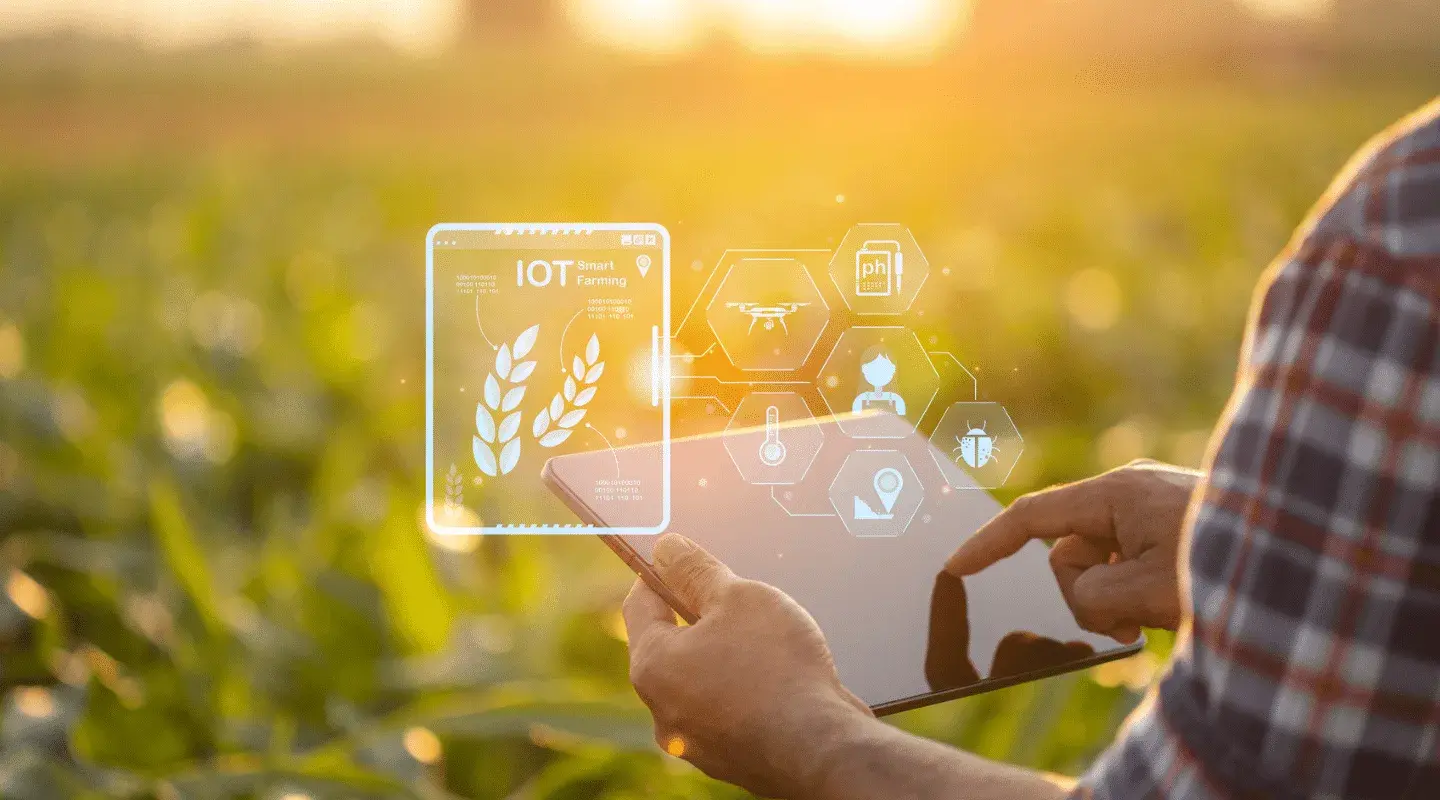
Frontline research is how organisations find out what’s actually happening on the ground. Not what’s written in reports or what’s assumed in planning meetings. Real conditions. Real gaps. Real outcomes.
This work usually happens far from offices and dashboards. Enumerators may be standing in a clinic queue, sitting under a tree, or walking door to door with a paper form and a pen that barely works. Mobile data collection has changed that. When it’s done right, it makes frontline research faster, cleaner, and easier to trust.
Why Mobile Tools Matter in Frontline Research
Frontline research does not happen in ideal conditions. Phones lose signal. Batteries die. Weather changes plans. Paper forms get wet, lost, or filled in twice.
Mobile data collection tools help remove some of that friction. Digital forms reduce handwriting errors. Offline data capture lets teams keep working when there’s no signal. And when data syncs the same day instead of weeks later, programme teams can spot problems while research is still underway—not after it’s too late to fix them.
Best Practices for Frontline Research Using Mobile Data Collection
1. Keep forms short and practical
If a form feels long in an office, it will feel unbearable in the field. Good frontline research forms focus on what’s essential. Clear questions. Simple language. No unnecessary fields “just in case.”
For example, if enumerators are collecting household data during a vaccination follow-up, they don’t need a 40-question survey. They need names, dates, outcomes, and notes that actually get read later.
2. Assume there will be no internet
Offline data collection is not a “nice to have.” It is the default. Researchers should be able to complete a full day of work without a signal and sync later from a clinic, town centre, or office.
If a tool stops working the moment connectivity drops, it will fail in frontline research. Every time.
3. Train people using real field scenarios
A one-hour demo is not training. Frontline teams need to practice using tools the way they’ll actually use them—in the heat, in a rush, with distractions.
Walk through real examples. What happens if a child’s age is unknown? What if a respondent refuses a question? Good training prepares teams for these moments, not just the “happy path.”
4. Catch mistakes while data is being collected
Fixing bad data later is expensive and frustrating. Validation rules, required fields, and simple logic checks prevent common errors before they happen.
If a birth date doesn’t match an age range, flag it immediately. If a required consent question is skipped, don’t allow the form to continue. These small checks save weeks of cleanup later.
5. Protect people’s data—every time
Frontline research often involves sensitive information. Health status. Household income. Personal identifiers. That data must be protected.
Use role-based access. Encrypt data. Make consent clear and explicit. Communities notice when data is handled carelessly—and trust is hard to rebuild once it’s lost.
6. Pay attention to what’s coming in
Data shouldn’t disappear into a system until the end of the project. Dashboards and basic reports help teams see what’s happening while research is ongoing.
If one area has no submissions for three days, that’s a signal. If half the forms are missing key fields, that’s another. Early visibility prevents small issues from becoming project-wide failures.
How to Start Using Mobile Data Collection in Frontline Research
Start small. Be clear about what data you actually need. Choose a tool that works offline and handles sensitive data properly. Pilot it with a few researchers before rolling it out widely.
Most importantly, listen to field teams. They will tell you what works, what doesn’t, and what slows them down.
Conclusion
Mobile data collection doesn’t make frontline research easier by magic. It works when tools are built around real field conditions and real people.
When done well, it leads to cleaner data, fewer delays, and decisions based on what’s actually happening—not what arrives months later in a spreadsheet. Platforms like CommCare are designed for this kind of work, where conditions are tough and accuracy matters.
Also Read-How Logistics Infrastructure Development Impacts Shipping to Portugal