Key Takeaways
- A new home budget should include more than the advertised base price.
- Financing, lot conditions, design selections, and closing costs can all affect the final cost.
- Early choices can influence the construction schedule and reduce expensive late changes.
- Written records, regular updates, and an independent inspection can help protect the buyer.
- National housing data is a useful context, but Alabama pricing and timelines vary by market and community.
Table Of Contents
- Introduction
- Why New Construction Appeals To Alabama Buyers
- Set A Complete Home-Buying Budget
- Compare Financing Before Choosing A Home
- Review The Location And Lot
- Make Design Choices With Care
- Build A Realistic Project Timeline
- Check Quality During Construction
- Prepare For The Final Walkthrough And Closing
- Common Mistakes To Avoid
- Questions To Ask Before Moving Forward
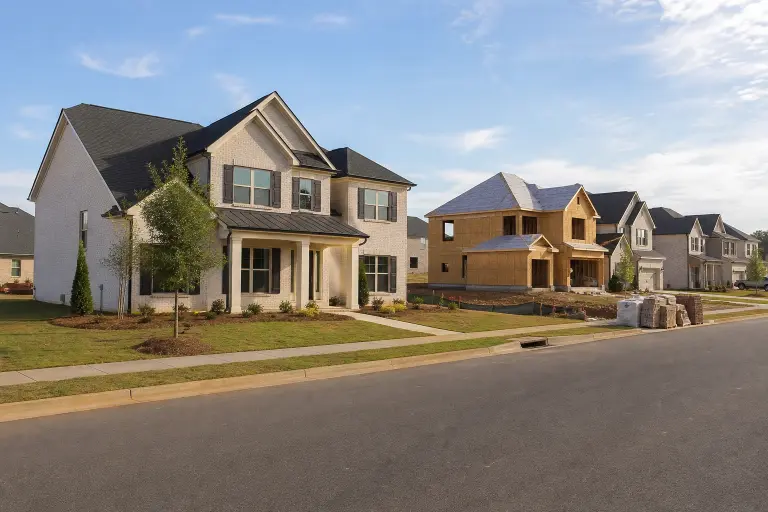
Buying a newly built home can be an exciting way to shape a space around your routines, style, and future plans. For buyers comparing new homes for sale in Alabama, the best first step is to look beyond the floor plan and understand the full process, from financing and lot selection to inspections and closing.
New construction can offer modern layouts, newer systems, and the opportunity to choose finishes before move-in. It can also involve builder contracts, decision deadlines, upgrade costs, and timelines that may change because of weather, permitting, materials, or inspections. Planning early helps make those moving parts more manageable.
Why New Construction Appeals To Alabama Buyers
Many buyers choose new construction for practical reasons. A new home may have an open layout, current building practices, energy-conscious equipment, and fewer immediate repair needs than an older property. The ability to choose cabinets, flooring, lighting, and other finishes can also make the home feel more personal from day one.
Still, a newly built home is not automatically simple. Some communities limit the number of available lots or design choices, while builder agreements may set firm deadlines for deposits and selections. Nationally, new single-family home sales were at a seasonally adjusted annual rate of 628,000 in June 2026, with a median sales price of $398,300, according to the U.S. Census Bureau and U.S. Department of Housing and Urban Development. Those figures provide a broad context, not a direct price estimate for every Alabama neighborhood.
Set A Complete Home-Buying Budget
Start with a price range that leaves room for ownership costs and a cash reserve after closing. The base home price is only one part of the purchase. A lower-priced plan can become much more expensive after upgrades, lot premiums, appliances, landscaping, and lender charges are added.
Costs To Include
- Base home price and lot premium, or land purchase cost
- Site preparation, grading, drainage work, and utility connections
- Structural options and design upgrades
- Appliances, window treatments, lighting, and outdoor features
- Property taxes, homeowners’ insurance, and homeowners’ association fees
- Closing costs, lender fees, moving expenses, and utility setup
- Emergency savings for unexpected expenses after move-in
Separate must-have costs from optional choices. For example, upgraded flooring throughout the home may be important to one household, while decorative lighting or a patio extension may be easier to add later. This approach keeps the budget focused on daily comfort and long-term value.
Compare Financing Before Choosing A Home
Mortgage planning should begin before finalizing a lot or making major upgrades. Review income, debts, credit, available savings, and the monthly payment you can comfortably manage. Then request preapproval and compare offers from multiple lenders.
Financing Steps
- Request estimates for the same loan type and price range.
- Compare interest rates, loan terms, lender fees, and estimated cash to close.
- Ask whether the rate lock can cover the expected construction timeline.
- Recheck affordability after adding taxes, insurance, association fees, and upgrades.
The CFPB Loan Estimate guide can help buyers compare loan amount, projected payment, rate, closing costs, and cash needed at closing. Focus on the total monthly housing cost, not only the principal-and-interest payment.
Review The Location And Lot
The lot is part of the home purchase. It can affect driveway placement, drainage, privacy, sunlight, landscaping costs, foundation work, and access to utilities. Visit the neighborhood during weekday mornings, evenings, and weekends to get a more complete view of traffic, noise, and activity.
Questions To Consider
- How practical is the commute during normal work hours?
- Are schools, grocery stores, health care, and parks convenient?
- Are there slope, drainage, flood, or utility concerns?
- What association rules, fees, or future development plans apply?
Make Design Choices With Care
Good selections support how the household actually lives. A large island may matter for a family that cooks together, while a first-floor bedroom, flexible office, wider doorways, or extra storage may better support long-term needs. Create a short design brief that lists furniture sizes, storage needs, preferred colors, and priorities before visiting the design center.
- Must-Haves: Features tied to daily function, comfort, safety, or accessibility.
- High-Value Choices: Durable materials, storage, efficient systems, and practical layouts.
- Nice-To-Haves: Items that can be completed later without major rework.
Ask when each selection is due and whether it affects the contract price or schedule. Late changes may cost more and can delay work already planned by the builder or subcontractors.
Build A Realistic Project Timeline
Construction usually moves through several phases: budgeting and preapproval, home and lot selection, contract signing, design selections, permits and site preparation, construction, inspections, walkthrough, closing, and move-in. Each stage depends on decisions and approvals that may occur before visible building work begins.
Request milestone updates rather than relying on a single projected completion date. Weather, inspections, material availability, change orders, and lending requirements can shift the schedule, even when the project appears to be moving quickly.
Check Quality During Construction
Buyers do not need to manage the job site, but they should stay informed. Keep copies of the contract, plans, change orders, allowances, warranty details, and written answers to questions. Confirm that approved selections are reflected in the finished home.
Ask when independent inspections are permitted. A new home can still have installation errors, unfinished work, drainage concerns, or details that need correction. Raising questions early is usually easier than waiting until the final walkthrough.
Prepare For The Final Walkthrough And Closing
The final walkthrough should be a careful review, not a quick tour. Compare the completed home with signed selections, test doors, windows, lights, outlets, plumbing fixtures, appliances, heating, cooling, and ventilation. Check exterior finishes, driveway surfaces, landscaping, and drainage as well.
- Document unfinished or damaged items on a punch list.
- Collect keys, remotes, manuals, warranties, and maintenance information.
- Review the Closing Disclosure and compare it with earlier loan documents.
- Confirm the loan amount, interest rate, payment, closing costs, and required cash before signing.
Common Mistakes To Avoid
- Choosing a home based only on the base price.
- Using all available savings for the down payment.
- Making repeated changes after construction begins.
- Overlooking taxes, insurance, association fees, and maintenance.
- Relying on verbal promises instead of written documentation.
- Skipping an independent inspection.
Questions To Ask Before Moving Forward
Budget, Timeline, And Warranty Questions
- What is included in the base price, and what counts as an upgrade?
- Are there lot, site, landscaping, or utility costs not shown in the starting price?
- When are selections due, and how are delays communicated?
- When can inspections occur, and how are punch-list items tracked?
- What warranty coverage applies, and who handles service requests after move-in?
Final Thoughts
A successful new-construction purchase begins with preparation. A complete budget, careful loan comparison, realistic timeline, thoughtful design plan, and organized final walkthrough can reduce surprises. The goal is not to predict every detail. It is to understand the questions that protect your budget, support your daily life, and help the finished home remain a strong fit long after move-in.
Also Read-Balancing Function and Beauty in Everyday Family Dentistry