Most people pick their transportation the same way they pick their lunch spot, out of force of habit. But here’s what’s worth examining: the ground you’re riding on, the weather season you’re in, and the actual reason you’re traveling all have a far bigger say in your mobility than you’ve probably given them credit for.
Research from B.C. shows roughly 80% of regional residents drive a car to work, with transit, cycling, walking, and other options splitting the remaining 20%. That gap isn’t random. It’s mostly the result of terrain and transportation realities that commuters rarely stop to interrogate.
The Core Forces That Drive Transportation Choices Across Different Terrains
The factors influencing transportation extend well past distance and ticket price. Surface type, infrastructure quality, climate conditions, density of routes, and rider comfort all feed into one honest question: Does this mode of travel actually work here?
Call it “mobility fit.” It’s the practice of matching your vehicle to your landscape, rather than defaulting to whatever you’ve always done.
Let’s get into the specific forces at work.
Physical Terrain Profiles and What They Mean for Your Commute
Flat routes accommodate nearly everything: cycling, walking, scooters, and transit. The moment hills enter the picture, though, the calculus changes. Steep grades demand genuine motor torque from e-bikes and electric scooters, and even modest inclines can slow a cyclist enough to make a trip feel pointless.
Surface conditions matter just as much as the gradient. Gravel, wet cobblestones, mud, and ice each create distinct traction challenges, especially for two-wheeled vehicles with smaller contact patches.
Infrastructure as an Invisible Layer of Terrain
Sidewalks, separated bike lanes, and multi-use paths aren’t just amenities; they function as a second layer of terrain in their own right. Remove them, and even the most committed rider will quietly retreat to a car. Transit networks suffer a related problem: the “last-mile” gap between bus stops and actual destinations is where micromobility options earn their place.
To help close that gap, Canadian retailers, StreetRides electric scooter Canada, provide purpose-built electric scooters and e-bikes suited to urban commuters who need a dependable link between transit stops and their workplace.
Climate as a Terrain Factor Nobody Talks About Enough
Rain, ice, and heavy snow don’t just make riding miserable; they make certain modes genuinely dangerous. In northern Canadian regions, travel mode selection effectively resets between seasons. Summer commutes might favor an e-scooter; a February morning tells a different story entirely. Freeze-thaw road degradation also accelerates wear on small-wheel vehicles faster than most people anticipate.
Urban vs Rural Transport: Two Entirely Different Equations
Urban vs rural transport differences couldn’t be starker. Cities offer short trip distances, dense infrastructure networks, and real choice in how you travel. Rural settings mean longer hauls, inconsistent road quality, and functionally no transit to speak of, which explains why 92.1% of rural residents rely on personal vehicles for most trips.
Land use drives this divide at the structural level. Mixed-use urban cores support walking and cycling naturally. Dispersed rural communities make those same modes impractical for nearly all trips.
Dense City Cores with Predominantly Flat Terrain
Congestion, limited parking, and short trip distances make dense urban centers genuinely well-suited to walking, transit, bikes, and compact electric scooters. The terrain and transportation equation here centers on maneuverability, quick stops, tight corners, and practical storage.
Even older cities with cobblestone streets demand attention to wheel size and braking capability.
Suburban Belts and Edge Cities
Suburbs present a harder challenge: longer distances, inconsistent bike infrastructure, and patchy sidewalks. Car dependence runs deep here. But higher-spec e-scooters and e-bikes are increasingly bridging the gaps between transit stops and suburban workplaces, steadily, if not dramatically.
Rural and Remote Terrain
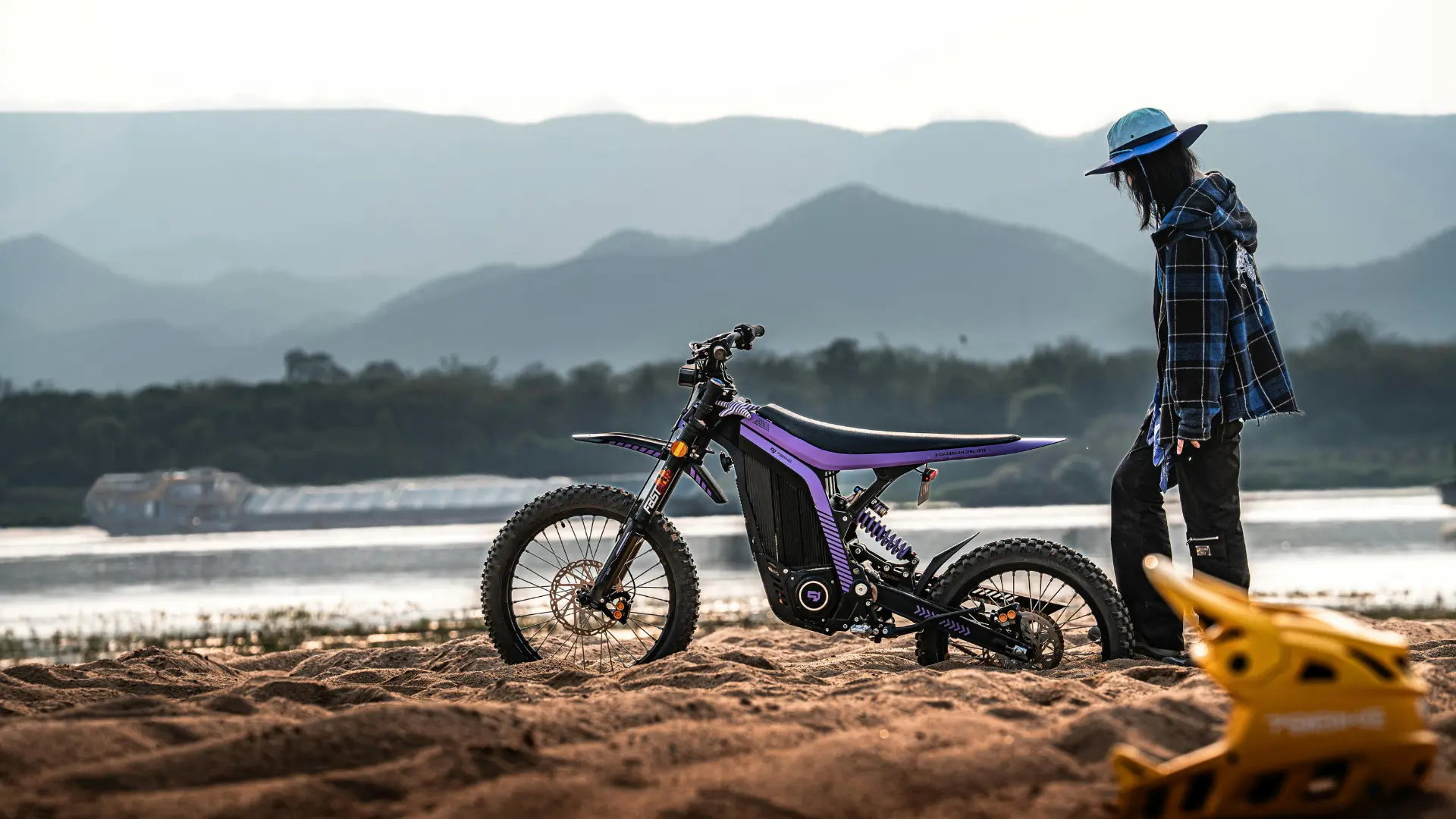
Gravel roads, steep hills, low lighting, and harsh winters quickly eliminate most small-wheel scooters from consideration. Fat-tire bikes, off-road scooters, and 4×4 vehicles become practical necessities, though charging infrastructure and repair access remain genuine obstacles in these areas.
How Trip Purpose Shapes Travel Mode Selection
Terrain narrows your options. But travel mode selection ultimately comes down to why you’re moving. A daily commuter, a delivery rider, and a weekend trail rider can share the same road and still need fundamentally different vehicles.
Daily Commutes and School Runs
Reliability is the priority here, full stop. Commuters need predictable timing and compatibility across modes, folding a scooter onto a bus being a classic example. In dense cities, a compact electric scooter handles the last mile efficiently. In rural areas, cars still dominate simply because the infrastructure hasn’t evolved to support alternatives.
Leisure, Recreation, and Adventure
Recreation inverts the priorities entirely. Enjoyment and physical engagement matter more than raw efficiency. Trail conditions, roots, loose gravel, and uneven dirt push recreational riders toward mountain bikes or off-road scooters rather than compact urban micromobility devices.
Building a Terrain-Smart Transportation Routine
The practical takeaway is simple, even if acting on it takes some honest self-assessment: stop choosing your mode by default and start choosing it deliberately. Map your actual route. Note the surface types you encounter. Factor in your region’s climate patterns. Then match a vehicle to those realities, not to what your neighbor rides or what you’ve always used.
The roads, hills, and weather patterns of your commute aren’t going anywhere. What can shift is how deliberately you respond to them. Every mode of transportation has conditions where it genuinely excels, and conditions where it quietly fails you. Finding your fit means honestly assessing your route, your climate, and your daily travel needs, then making a considered choice instead of a habitual one.
The right transportation decision doesn’t just save time. It reduces cost, improves safety, and, if you get the match right, might actually make the daily commute something you stop dreading.
Common Questions About Terrain and Transportation
How does hilly terrain change the best commuting option in a city?
Hills strongly favor e-bikes and high-torque e-scooters over conventional bikes or walking. Motor wattage, torque output, and braking performance shift from secondary considerations to primary selection criteria the moment elevation becomes a consistent factor.
Which handles rough roads better, an electric scooter or an e-bike?
E-bikes generally manage rough roads more capably, thanks to larger wheels, improved suspension, and a lower center of gravity. The geometry of an e-bike distributes rider weight more stably across cracked asphalt and potholes than most scooter frames can manage.
Can an all-terrain electric scooter handle daily city use without excessive wear?
Yes. Oversized tires and heavier frames do reduce efficiency slightly on smooth pavement, but all-terrain scooters are engineered for durability. Daily urban use typically generates less mechanical stress than occasional rough-trail riding.
Also Read
- Clever Car Transporting Advice for Trouble-Free Travel
- How to Calculate the Financial Feasibility of a Major Home Addition
- Middle School Academics: Structured Learning for Intellectual and Character Development