Ensuring your website is fully optimized for search engines is essential for achieving online growth and attracting qualified traffic. When handled properly, Technical SEO forms the backbone of a high-performing digital presence. Whether you are working to resolve legacy issues or fortifying a new site, a strong technical foundation will unlock better visibility and higher search rankings. One way to stay ahead of the curve is by leveraging solutions like Victorious technical SEO services, which can systematically address core website optimization tasks.
Many businesses overlook technical SEO, underestimating its impact on user experience and search visibility. Technical errors or inefficiencies, from poor site speed to security gaps, can undermine even the best content strategies. By prioritizing regular audits and updates, you ensure your site remains accessible, efficient, and trustworthy for both users and search engines. Good technical SEO not only helps attract organic visitors but also supports higher engagement and conversion rates.
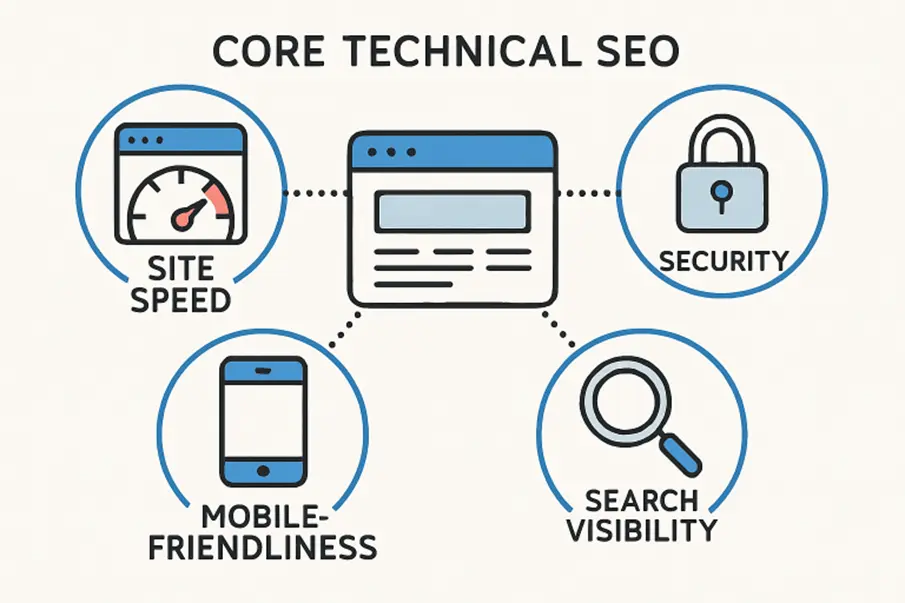
Modern search engines assess more than keywords; they also factor in load times, mobile usability, and secure connections. Over time, these elements shape your domain’s authority and reputation online. Staying informed about changes in search algorithms and technical standards will help keep your website compliant and competitive. Comprehensive attention to technical details often distinguishes the top-performing sites from the rest of the web.
Site Speed Optimization
Fast website loading times directly influence user engagement and satisfaction, and they also play a prominent role in search ranking algorithms. According to Google, the probability of a user bouncing increases by 32% as page load time increases from 1 to 3 seconds. Prioritize site speed by compressing images, eliminating unnecessary scripts, and utilizing efficient coding practices.
- Convert images to modern formats, such as WebP, and compress them for quicker loading.
- Reduce HTTP requests by simplifying page design and limiting third-party scripts.
- Enable browser caching for static resources to improve load times for returning visitors.
- Distribute assets geographically via a Content Delivery Network (CDN) to improve global access.
Robots.txt and Meta Tags
Search engines rely on directives within the robots.txt file to determine which parts of your site they should crawl. Improper configurations may stop valuable pages from being discovered and indexed. Review your robots.txt website regularly to ensure no essential sections of your website are unintentionally blocked from search engines.
Meta tags like noindex and nofollow provide crawlers with specific instructions at the page level. Use them strategically on utility or non-public pages, ensuring that all primary content remains visible to search engines. Frequent audits of these tags can help catch accidental misuse that might lower your visibility in search results.
Structured Data Implementation
Structured data, also known as schema markup, provides search engines with detailed information about your content. By helping crawlers decode the context of your pages, structured data improves your eligibility for rich search results, such as review stars or FAQs. Incorporate schema to enhance descriptions for products, articles, and business locations, making your search listings more attractive and informative.
Mobile Friendliness
Mobile-first indexing is now the default approach for Google, making mobile usability an essential aspect of SEO. Ensuring your site is fully responsive means that layouts, images, and buttons scale seamlessly across devices and orientations. Legible font sizes, easily accessible tap targets, and the avoidance of intrusive interstitials all contribute to a smooth, on-the-go user experience. Beyond usability, mobile-friendly websites also load faster, reducing bounce rates and increasing the likelihood of higher engagement and conversions. In today’s digital landscape, prioritizing mobile optimization is not just a convenience—it’s a critical factor in maintaining visibility and competitiveness in search engine results.
Secure Website (HTTPS)
Security builds user trust and is a confirmed search ranking signal. Migrating to HTTPS encrypts data in transit and protects both your site and its visitors from interception and tampering. Obtain a valid SSL certificate and update all internal links and resources to load over HTTPS. Addressing mixed content warnings ensures your pages remain fully secure in browsers.
XML Sitemaps
An XML sitemap serves as a roadmap for search engines, outlining your website’s key pages and overall structure. Keeping your sitemap updated whenever you add, remove, or reorganize content helps crawlers efficiently discover and prioritize your most recent and important pages. Submitting your sitemap to platforms like Google Search Console and Bing Webmaster Tools ensures broader, more accurate indexing. Beyond indexing, a well-maintained sitemap can also help identify crawl errors, highlight orphaned pages, and provide insights into how search engines interact with your site. Regularly reviewing and optimizing your sitemap is therefore an essential step in maintaining strong SEO performance and ensuring your content reaches the right audience.
Canonical Tags
Duplicate content can arise from URL variations, category pages, or session parameters, creating confusion for search engines. Canonical tags allow you to designate the preferred version of a page, signaling to search engines which URL should be treated as the authoritative source. By consolidating ranking signals through canonical URLs, you prevent the dilution of your site’s authority and improve overall SEO performance. Additionally, using canonical tags ensures that link equity from external sources is properly credited to the primary page, enhancing its visibility in search results. Proper implementation of these tags is essential for maintaining a clean site structure and optimizing search engine crawling efficiency.
Regular Technical Audits
Proactive technical SEO audits are critical for long-term success. Automated tools like Google Search Console and Screaming Frog can detect crawl errors, broken links, and indexing gaps. Regularly scheduled audits let you address problems before they affect users or erode your organic rankings. Document each audit and follow up on recommendations promptly for optimal site performance over time.
Conclusion
By addressing all of these essential technical SEO checks, website owners can rest assured that their sites are optimized to deliver seamless experiences and maintain high visibility in search results. Staying vigilant about emerging trends and best practices will ensure that your website remains healthy, secure, and competitive.
Also Read
- How Convenience Rewired the Way We Eat at Home
- Make Due or Make Do – How to Use These Phrases Correctly
- 30 Other Ways to Say “Thank You for Lunch” (With Examples)