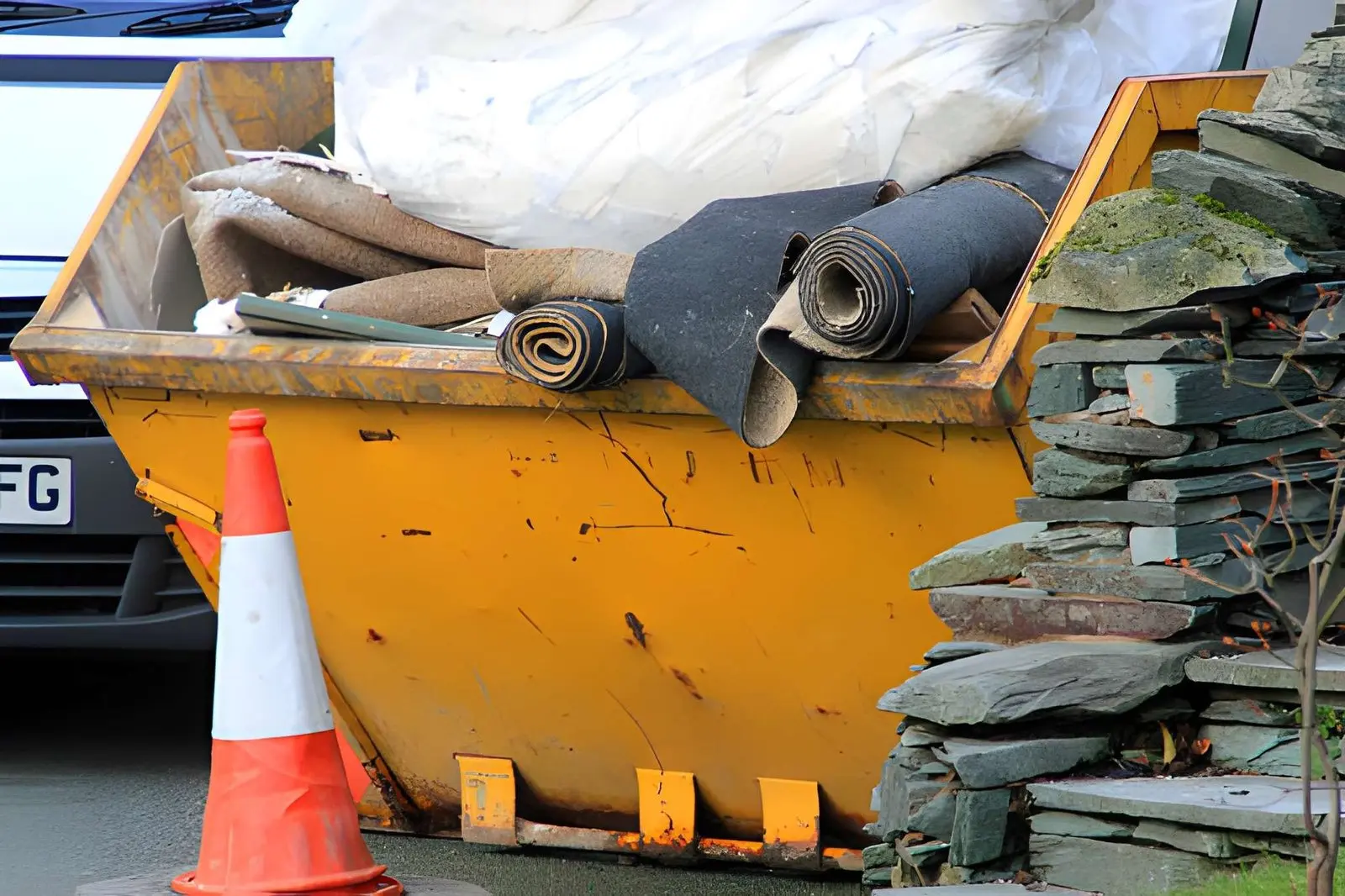
Removing old carpeting or outdated flooring is one of the most common home improvement projects. Whether preparing for new hardwood, tile, or luxury vinyl installation, homeowners quickly discover that flooring removal generates more debris than expected. Carpet padding, tack strips, adhesive residue, underlayment, and damaged subfloor materials all contribute to waste volume.
For homeowners tackling flooring replacement themselves or coordinating contractors, dumpster rentals offer a structured and efficient way to manage debris. Proper planning prevents clutter, reduces safety hazards, and keeps the project on schedule.
Why Flooring Removal Generates Significant Waste
At first glance, carpeting may not appear bulky. Once removed, however, it expands in volume. Rolled carpet takes up substantial space, and padding adds additional mass. Tack strips and fasteners create sharp debris that requires careful handling.
Hard surface flooring presents different challenges:
- Tile and stone are dense and heavy
- Laminate and vinyl create mixed waste streams
- Hardwood may include nails and adhesive
- Subfloor replacement adds plywood or OSB
Even a single room can generate hundreds or thousands of pounds of material, depending on size and flooring type.
Understanding this volume early helps homeowners plan appropriate disposal solutions.
Estimating Debris Volume Before Starting
Flooring removal should begin with a realistic estimate of material output. Homeowners should calculate:
- Total square footage of the area
- Type of flooring being removed
- Whether padding or underlayment is present
- Potential subfloor repairs
For example, removing carpet from a 1,500-square-foot home may produce multiple large rolls of material plus padding and trim. Removing tile from the same area could generate several tons of dense debris.
These factors influence dumpster size selection and help avoid underestimating capacity needs.
Managing Heavy Materials Like Tile and Stone
Tile and stone flooring significantly increase disposal weight. Even modest-sized kitchens or bathrooms can produce dense debris that reaches weight limits quickly.
When removing heavy flooring materials:
- Break tile into manageable pieces
- Load material evenly into the container
- Avoid stacking all heavy debris in one section
- Monitor weight accumulation carefully
Containers often reach weight capacity before appearing visually full when filled with masonry materials.
Planning with weight in mind protects against unexpected overage fees.
Safety Considerations During Flooring Removal
Flooring removal involves sharp edges, protruding nails, dust, and heavy lifting. Safe debris management practices help reduce injury risk.
Homeowners should:
- Wear gloves and protective eyewear
- Use sturdy footwear
- Remove nails from boards where possible
- Avoid overloading themselves when carrying debris
Having a dumpster positioned conveniently reduces repeated lifting and long-distance hauling across the property.
Preventing Debris Accumulation Indoors
Without a structured disposal plan, old flooring often ends up stacked in hallways, garages, or driveways. This creates clutter and increases the likelihood of trips and falls.
A dedicated dumpster allows debris to be removed immediately as it is generated. This keeps work areas clear and simplifies installation of new materials.
Maintaining an organized workspace improves efficiency and reduces stress during the project.
Placement Planning for Residential Properties
Driveway placement is common for flooring projects. Before scheduling delivery, homeowners should consider:
- Available driveway space
- Clearance for garage access
- Proximity to work areas
- Surface protection needs
Placing boards under contact points can help protect concrete or asphalt surfaces from pressure marks.
Clear communication about placement ensures the container supports workflow without obstructing daily household activity.
Managing Rental Duration
Flooring projects vary in duration. Some homeowners complete removal in a single weekend, while others work gradually over several days.
Selecting an appropriate rental period ensures:
- Sufficient time for removal
- Flexibility for unexpected subfloor repairs
- Adequate cleanup before installation
Rushing disposal at the end of the rental window can create unnecessary pressure. Planning realistic timelines improves overall project flow.
Avoiding Repeated Disposal Trips
Some homeowners attempt to transport flooring debris to local disposal facilities in personal vehicles. While feasible for small projects, repeated trips consume time and increase physical strain.
Roll-off dumpsters consolidate debris into a single container that is removed once full. This approach:
- Reduces vehicle use
- Minimizes manual handling
- Keeps the project site cleaner
For multi-room flooring replacements, centralized disposal is typically more efficient.
Addressing Adhesives and Residual Materials
Older flooring installations may involve adhesive layers, tar paper, or backing materials. These residues add weight and complicate cleanup.
During removal:
- Scrape adhesive into manageable piles
- Avoid mixing hazardous materials in general debris
- Confirm local disposal restrictions if specialized adhesives are present
Understanding what can and cannot be placed in the dumpster prevents pickup delays.
Protecting Landscaping and Surrounding Areas
Debris should be transported directly to the dumpster rather than piled in the yard. Dragging heavy rolls of carpet across landscaping can damage grass or garden beds.
Organizing removal pathways and clearing obstacles in advance supports smoother debris transfer.
Coordinating With Reliable Waste Providers
Homeowners unfamiliar with disposal logistics benefit from working with experienced providers. Clear communication about project scope, flooring type, and expected debris volume helps ensure the selected container aligns with needs.
Many homeowners coordinate with services such as Waste Removal USA to manage renovation debris efficiently. Structured scheduling and clear weight allowances provide predictability during what can otherwise be a physically demanding project.
Budget Considerations
Disposal is a defined component of flooring replacement costs. Including dumpster rental in the project budget helps avoid surprises.
Cost factors typically include:
- Container size
- Rental duration
- Included weight allowance
- Haul frequency
Understanding these variables upfront supports better financial planning.
Preparing for Subfloor Repairs
Flooring removal often uncovers damaged subfloor sections that require replacement. Additional plywood or structural material increases waste output.
Leaving room in the disposal plan for unexpected repairs prevents mid-project capacity shortages.
Final Cleanup and Project Closeout
Once old flooring is removed and new materials are installed, the final cleanup phase should include removal of remaining debris, trim scraps, and packaging from new flooring materials.
Scheduling dumpster pickup after installation ensures all waste is cleared before returning the space to full use.
Removing old carpeting and flooring generates more debris than many homeowners anticipate. Carpet rolls, padding, tile fragments, adhesive, and subfloor materials accumulate quickly and can overwhelm standard trash service.
Dumpster rentals provide an organized, efficient disposal solution that supports safer work areas and smoother project progression. By estimating debris volume accurately, planning placement thoughtfully, and coordinating rental timing carefully, homeowners can complete flooring removal projects with less disruption and greater confidence from demolition through final installation.
Also Read-30 Other Ways to Say “Mind Your Own Business” (With Examples)