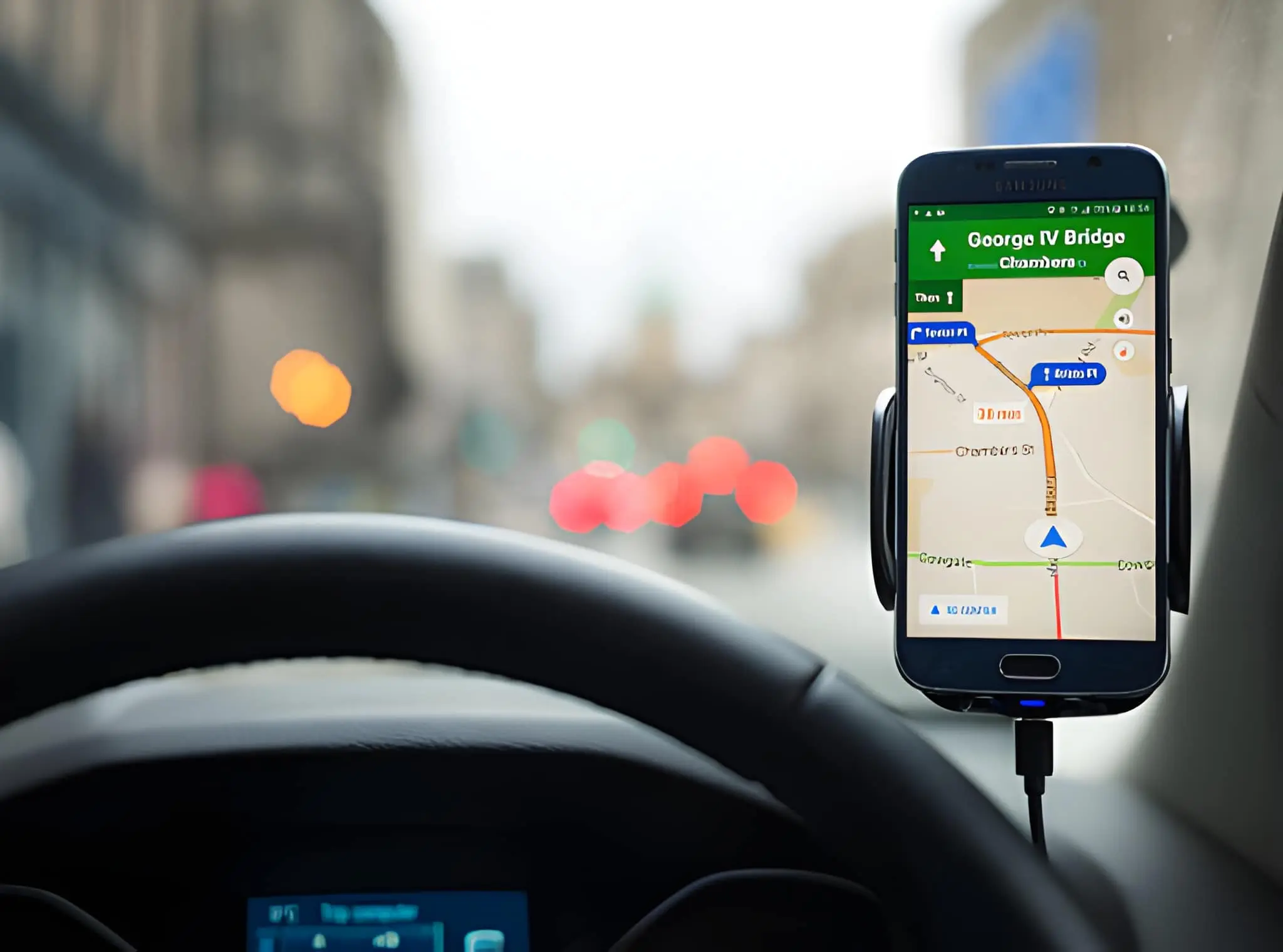
By 2030, over 70% of new vehicles are expected to feature embedded Android Automotive OS, enabling advanced in-car apps.
The auto industry is going through a fundamental change towards a radically digital transformation, and at the heart of this transformation is Android Automotive OS (AAOS). As cars get smarter and more connected, companies and programmers are finding more and more ways to access Android Auto systems to create their own in-car applications.
Considering the case of the conventional infotainment system, AAOS allows the integration of the vehicle on a deeper level, improved user experiences, and smooth app performance directly in the operating system of the car. Therefore, learning AAOS has become an important requirement among the teams working on automotive software and Android app development.
This article will discuss the functionality of AAOS, how developers can gain access to Android Auto environments, and what it requires to develop compliant and high-performance in-car applications that are compatible with Google automotive requirements.
Understanding AAOS and Android Auto Environments
It is important to clarify the difference between Android Auto and Android Automotive OS before getting to know how to open Android Auto environments. Android Auto mainly replicates the smartphone applications on the infotainment screen in a car. Conversely, AAOS is an operating system built into embedded on-board hardware.
Since AAOS is not linked to a mobile device, it permits programmers to develop programs that interface with a vehicle system, like climate control, navigation, and media playback. Consequently, the automotive software development based on AAOS allows richer, more responsive experiences and adheres to high safety and usability.
Why Opening Android Auto Environments Matters
Android Auto environments can be opened, and app developers can test and optimize apps that are in-car specific. More to the point, it also makes sure that the applications adhere to Google Drive Distraction Guidelines, where minimal interaction with the highest level of safety is the priority.
Business-wise, the potential of unlocking Android Auto platforms opens the door to opportunities in the fields of navigation, infotainment, EV management, fleet tracking, and voice-service-based solutions.
Furthermore, car manufacturers are becoming more and more demanding of app developers who can develop apps that work perfectly with the automotive hardware, which is why the expertise in AAOS is a strong competitor in Android app development.
Prerequisites for Accessing AAOS Development
First, the programmer needs to install the right software and access. First, an Android Studio with the support of Automotive OS is needed. Also, the developers should have access to an Android Automotive emulator or OEM-supplied hardware reference units.
What is equally important, Google has stringent restrictions on the category of apps. App types, including media, navigation, messaging, and parking, should be the only types of approved apps that can be published.
That is why it is important to consider these categories when planning your automotive software development strategy before trying to open the Android Auto environments to production.
How to Open Android Auto Environments for Custom Apps
Opening the Android Auto environment is a procedure. The first step is that developers should make their Android project compatible with Automotive OS by providing the necessary manifest declarations. The app should then implement automotive-optimized UI elements such as the Car App Library, which provides consistency and safety.
Also, testing is a crucial factor. Emulators should be used to simulate driving conditions to prove the performance, responsiveness, and voice command.
Upon testing, apps should be taken through an automotive app review by Google before making them deployable. Although this is a rigorous process, it does guarantee that the Android app development initiatives are in tandem with the real-world driving requirements.
Connected vehicle technologies are expected to push the global market of automotive software development efforts to the $55 billion mark by 2028.
Design and UX Considerations for In-Car Apps
During the efforts of opening Android Auto platforms, decisions about designs should be made focused on simplicity and clarity. Voice-first interactions, limited animations, and huge touch targets are critical. In-car apps can only provide value in seconds as opposed to traditional mobile apps, and this lowers cognitive load on the drivers.
AAOS also facilitates extensive system integrations; however, the developers ought to retrieve vehicle data only when it is essential. Quality Automotive software development is characterized by responsible use of data, particularly with the growing privacy laws in the global world.
Security, Performance, and Compliance
Another important factor before opening Android Auto environments is security. AAOS applications are deployed within sandboxed environments, but developers still need to ensure they have secure APIs, encrypted communication, and permission-based access.
Optimization of performance is also beneficial. As the hardware of vehicles is quite different from that of smartphones, the effective control of memory and the management of processes in the background are essential.
With the best practices of Google, developers could be able to make sure that their Android application development projects provide a seamless and trustworthy functionality without affecting the automobile systems.
The Future of Android Automotive Development
In the future, the need to open Android Auto ecosystems will continue to grow with the establishment of connected vehicles as standard. As AI, voice assistants, and predictive navigation continue to develop, AAOS will keep growing in its capabilities.
Therefore, companies that invest early in the development of automotive software benefit in the long term due to innovation and OEMs.
“Integrating software deeply into vehicles transforms mobility, allowing custom applications to enhance driver interaction and convenience.” – Elon Musk, CEO of Tesla.
Final Thoughts!
The knowledge of AAOS and the ability to access Android Auto settings are no longer a bonus but the key to modern automotive innovation. The knowledge and appreciation of platform requirements, safety-first design, and the ability of the 8ration developers to utilize advanced Android application creation methods would create powerful in-car applications that would rebrand the driving experiences.
With the current changes in the automotive ecosystem, the current users of Android Automotive OS with 8ration will be in the vanguard of the next generation of intelligent mobility solutions.
Also Read
- Lucky99 and the Rise of Slot Gacor Hari Ini
- 30 Other Ways to Say “I Don’t Care” (With Examples)
- Analogy vs Allegory: How to Tell Them Apart and Use Each with Power