Look for Handwoven Techniques
One of the primary indicators of an authentic kilim rug is the weaving technique. Kilims are flat-woven, which means they don’t have the thick pile typical of other Persian rugs. Key characteristics include:
- Flat Texture: You should feel the weave directly under your hands. A smooth but slightly uneven texture is a hallmark of handwoven craftsmanship.
- Visible Warp and Weft: On the back of the rug, you can often see the warp and weft threads intersecting clearly, which is a strong sign of manual weaving.
- Slight Imperfections: Minor irregularities in design or weave are not flaws—they’re evidence of human craftsmanship.
Companies like Bijan Exclusive Rugs recommend examining these details closely, as machine-made kilims often appear overly uniform and lack the subtle variations that characterize authentic pieces.
Check the Materials
Authentic kilims are typically made from natural fibers such as wool, cotton, or silk. Knowing what to look for can help you distinguish between real and synthetic rugs:
- Wool: Warm, soft, and slightly springy. Wool is the most common fiber used in kilims.
- Cotton: Often used for the foundation or warp threads, providing strength and stability.
- Silk: Found in finer kilims, adding a subtle sheen and luxurious texture.
Bijan Morshedizadeh explains that genuine kilims will have a natural feel and slight variations in fiber thickness, whereas synthetic fibers may feel slick, uniform, or overly stiff.
Examine the Patterns and Colors
Patterns and colors are crucial in authenticating kilim rugs. Here’s what to consider:
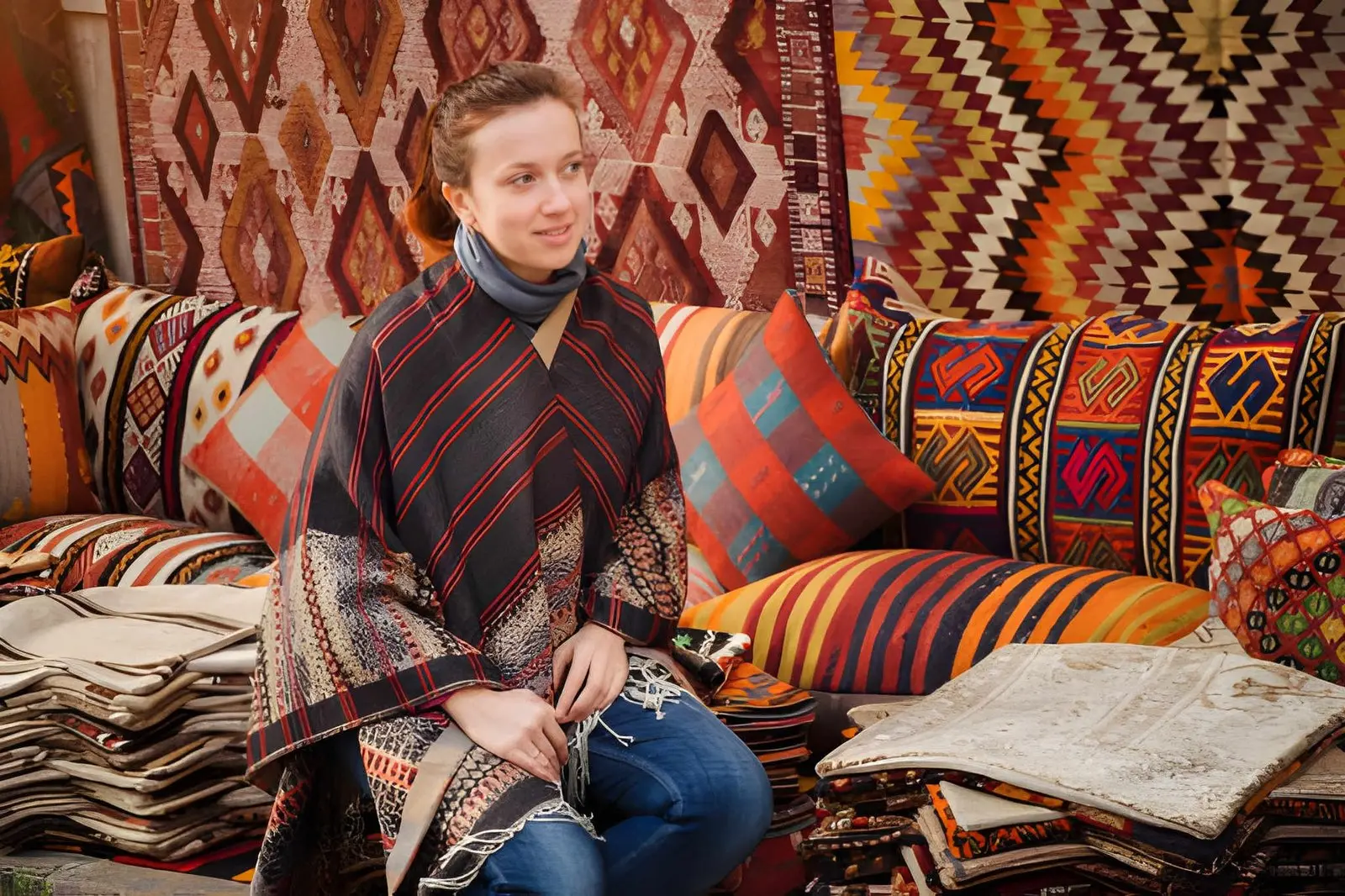
- Geometric or Tribal Motifs: Traditional kilims often feature diamonds, zigzags, medallions, or stylized animals.
- Natural Dyes: Hand-dyed wool produces vibrant colors with slight tonal variations. Overly bright, uniform colors may indicate synthetic dyes.
- Symmetry with Subtle Variations: Authentic kilims often maintain symmetry in motifs, but small differences between repeating patterns suggest handcrafting.
Bijan Exclusive Rugs highlights that familiarizing yourself with regional design characteristics can help you quickly identify genuine pieces versus mass-produced replicas.
Inspect the Edges and Fringe
The finishing details of a kilim rug also reveal its authenticity:
- Selvage Edges: Authentic kilims have tightly woven edges that prevent unraveling.
- Fringe: The fringe is usually an extension of the warp threads and is integrated into the rug itself, not sewn on afterward.
Rugs with poorly finished edges or glued-on fringe are often signs of lower-quality or machine-made versions.
Assess the Rug’s Weight and Flexibility
An authentic kilim rug, being handwoven from natural fibers, will have a certain weight and flexibility:
- Weight: Kilims feel substantial but not heavy, thanks to their dense weaving.
- Flexibility: They should fold or roll easily without cracking or creasing.
Bijan Morshedizadeh points out that machine-made kilims often feel unnaturally stiff or lightweight, lacking the tactile richness of handmade rugs.
Certification and Provenance
For collectors, provenance is important. Ask for documentation or certificates that detail:
- The rug’s origin and age
- Materials and weaving techniques used
- Seller authentication
Reputable sellers, like Bijan Exclusive Rugs, provide these details to ensure buyers are investing in genuine, high-quality pieces.
Maintaining and Preserving Authentic Kilims
Once you have identified an authentic kilim, proper care is essential to preserve its beauty:
- Regular Vacuuming: Keep the flat weave free from dust.
- Avoid Direct Sunlight: Natural dyes can fade if exposed to intense light.
- Rotate Periodically: Helps ensure even wear.
- Professional Cleaning: Periodically have your kilim cleaned by specialists familiar with delicate fibers and dyes.
Final Thoughts
Identifying authentic finest kilim rugs requires attention to detail, knowledge of regional weaving styles, and an understanding of materials and craftsmanship. From examining the weave and fibers to analyzing patterns, colors, and finishing touches, each step helps ensure you acquire a genuine piece.
As Bijan Morshedizadeh emphasizes, the value of a kilim rug extends beyond its aesthetic appeal—it carries centuries of tradition and artistry. By consulting experts and trusted providers like Bijan Exclusive Rugs, you can confidently invest in authentic kilims that will enhance your space while preserving a piece of cultural heritage.
Whether for decoration, investment, or collection, authentic kilim rugs remain timeless treasures that enrich any home with beauty, history, and craftsmanship.
Also Read-
- Essential SEO Technical Checks Every Website Owner Should Know
- Hayday or Heyday – Understanding the Difference and Using Them Correctly
- Free Rein or Free Reign: Which One Is Correct and Why It Matters